
Faces of Global Struggles in a Fractured System
In a world where wealth is concentrated among a shrinking elite, the rest grapple with precarity, inequality, and diminishing hope. The global economic system, fractured by decades of neoliberal policies, leaves little room for those who fall outside its narrow definitions of success. But amidst this chaos, faces emerge—faces of resistance, resilience, and determination. These are the faces of ordinary people caught in extraordinary circumstances, demanding change and reclaiming their dignity.
Precarious Existences
In Warsaw, Poland, Maria stands at the edge of a construction site, her hands gripping a safety harness as she ascends a scaffold. Once a factory worker, Maria found herself unemployed after her plant closed down during the 2008 crisis. Like many Poles, she turned to informal labor—cleaning offices, delivering goods, anything to make ends meet. But this life is unpredictable. A recent injury forced her to take time off, and with no sick leave or benefits, she worries about how to pay her bills.
Maria’s story is not unique. Across Europe, informal workers like her navigate a labyrinth of uncertainty. In countries like Spain, where the gig economy has exploded, thousands of workers—often referred to as “precariats”—face similar struggles. They are the faceless laborers who keep cities running but are denied basic rights and protections.
Exploitation and Resistance
In New Delhi, India, Ravi pushes a人力车 (人力车) through crowded streets, his back strained under the weight of goods. A migrant from a village in Uttar Pradesh, Ravi came to the city seeking work after his land was seized by developers. He earns just enough to send money home to his family, but the work is grueling and often unsafe.
Yet, even in this context of exploitation, resistance emerges. Across India’s informal economy, workers are organizing themselves into unions and demanding better conditions. In cities like Mumbai, dockworkers have led strikes against rising contractualization, while street vendors have banded together to challenge municipal authorities. These efforts, though small, offer a glimmer of hope for systemic change.
A System Built on Exclusion
In South Africa’s mining towns, the faces of inequality are etched with despair. Erika, a single mother from Rustenburg, watches as her community is ravaged by unemployment and inadequate services. The mines that once provided jobs have closed down, leaving behind a legacy of poverty and illness. “We are forgotten,” she says, her voice tinged with frustration.
The global economic order, dominated by multinational corporations and financial institutions, has left many feeling excluded. In Europe, the rise of austerity policies following the 2012 eurozone crisis gutted public services and exacerbated inequality. In countries like Greece, where unemployment remains stubbornly high, young people face a future defined by precarity and migration.
##hope in Collective Action
But amidst this darkness, there are signs of hope. Across Latin America, social movements are challenging the status quo. In Argentina, neighborhood assemblies have emerged to address local issues, while indigenous communities in Bolivia are fighting to protect their land and resources. These efforts remind us that collective action can be a powerful force for change.
In Lebanon, where economic collapse has sent shockwaves through society, activists are organizing to demand accountability from the political elite. Despite widespread cynicism, grassroots movements are beginning to gain momentum, showing that even in the most dire circumstances, people can come together to fight for justice.
A Call for Change
The global system is fractured, and it’s not just economies that are broken—it’s the very fabric of society. The faces of those struggling today remind us of what’s at stake: dignity, security, and a future where everyone has a chance to thrive. To build a better world, we must confront the inequalities that underpin our current order and demand a system that works for all, not just the few.
The road ahead is long, but as history has shown, collective struggle can lead to transformation. Let us take inspiration from those who are already fighting—because in their faces, we see the possibility of a different future.
About the Author:
Tom O’Connor is Economy Editor at our publication. Economist turned journalist, Tom specializes in global economic inequality and its impact on social structures. His work is both analytical and deeply human.
 Bilingual journalist covering Middle Eastern politics and culture. Her reporting bridges the gap between local traditions and global trends, offering unique insights.
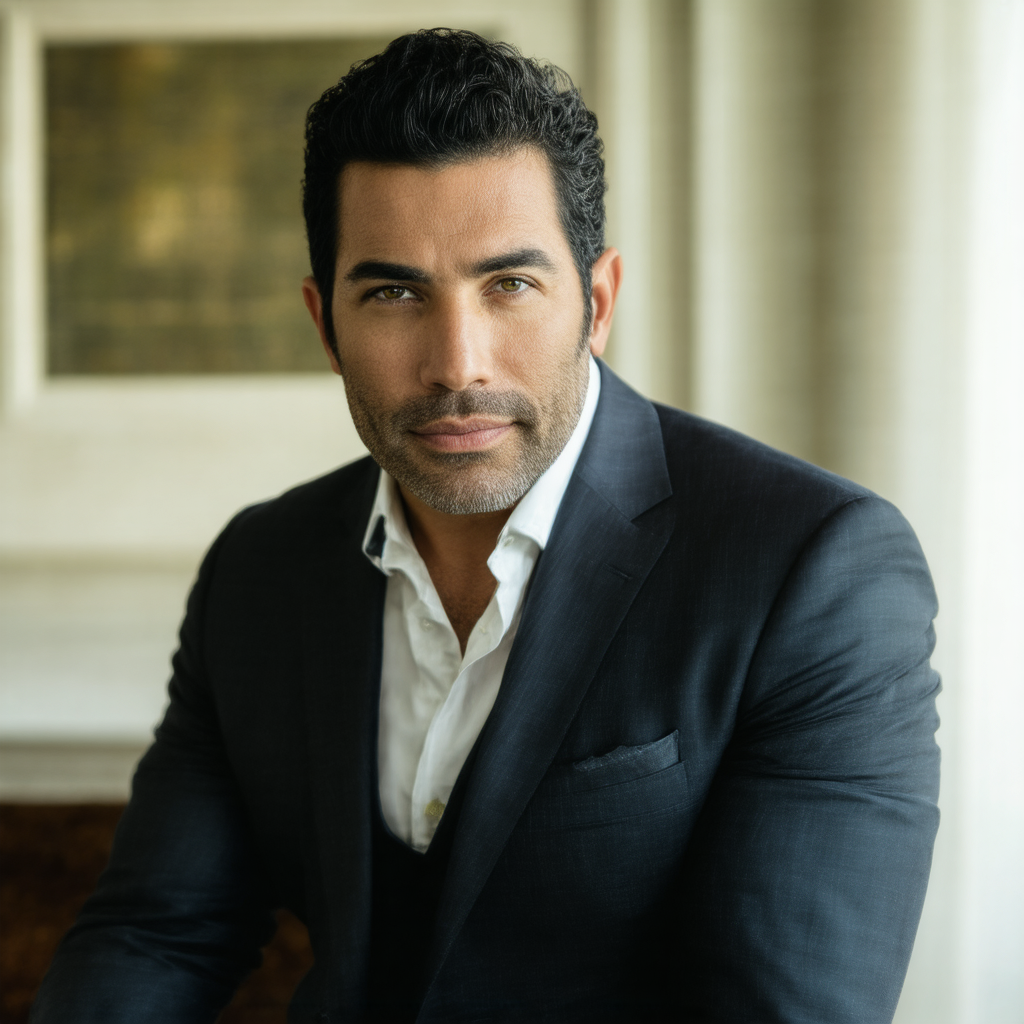 Award-winning reporter specializing in climate change and environmental policy. His work has taken him from the Amazon rainforest to polar regions, documenting the human impact of global warming.
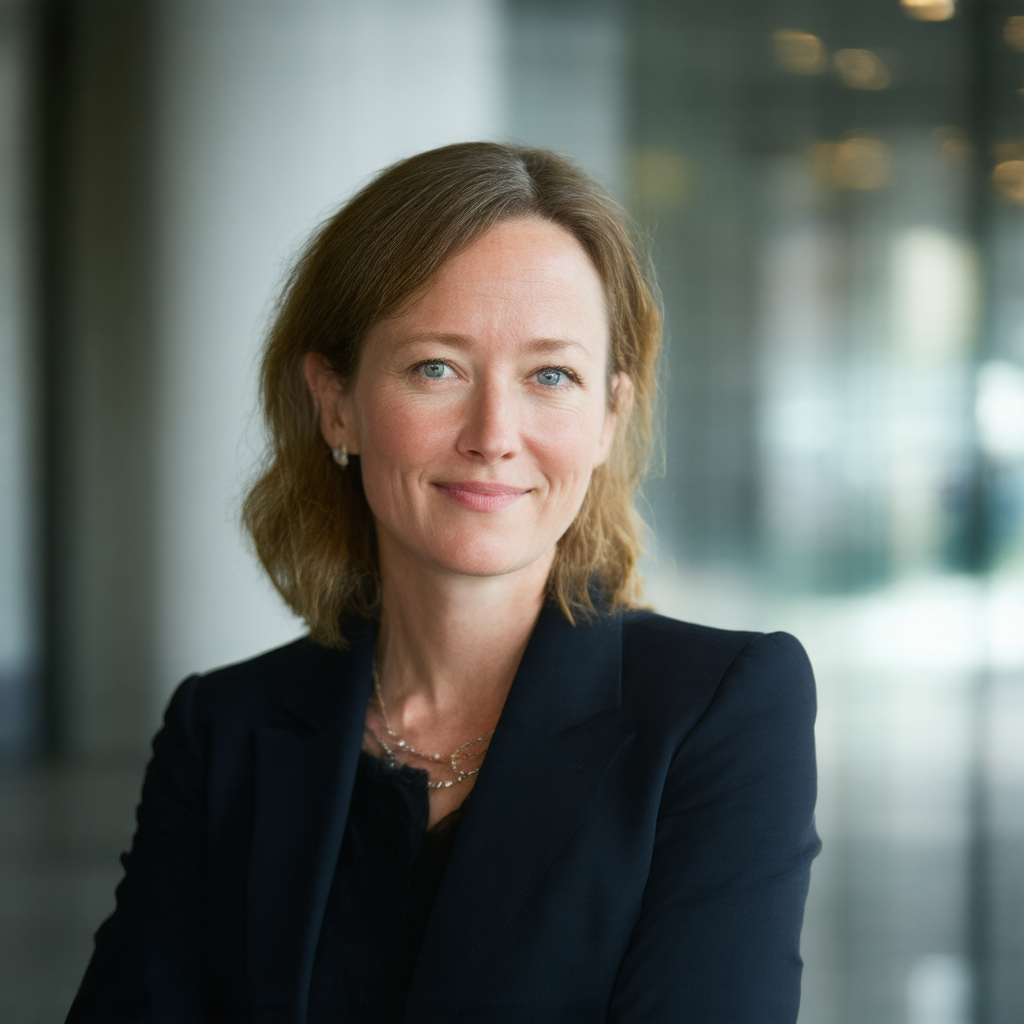 Veteran journalist with over 15 years of experience leading international news operations. Known for her visionary approach to storytelling and editorial strategy, Jane has guided award-winning investigations across continents.
 Tech and innovation reporter with a focus on the intersection of technology and society. Her work explores how advancements impact global communities and economies.
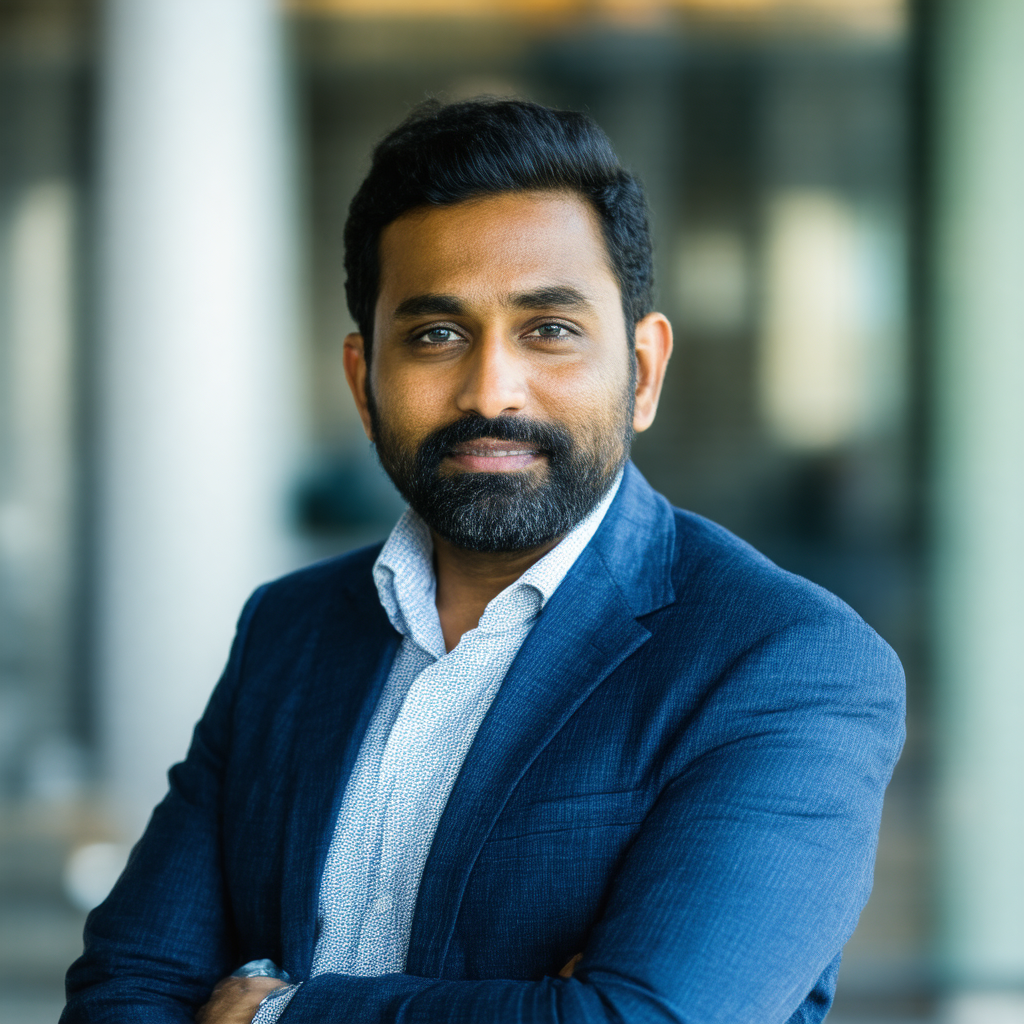 Urban affairs correspondent focusing on the challenges and opportunities of rapid urbanization. His work examines how cities shape and are shaped by global trends.