Guyana’s Oil Wealth: Promise or Peril for Its People?
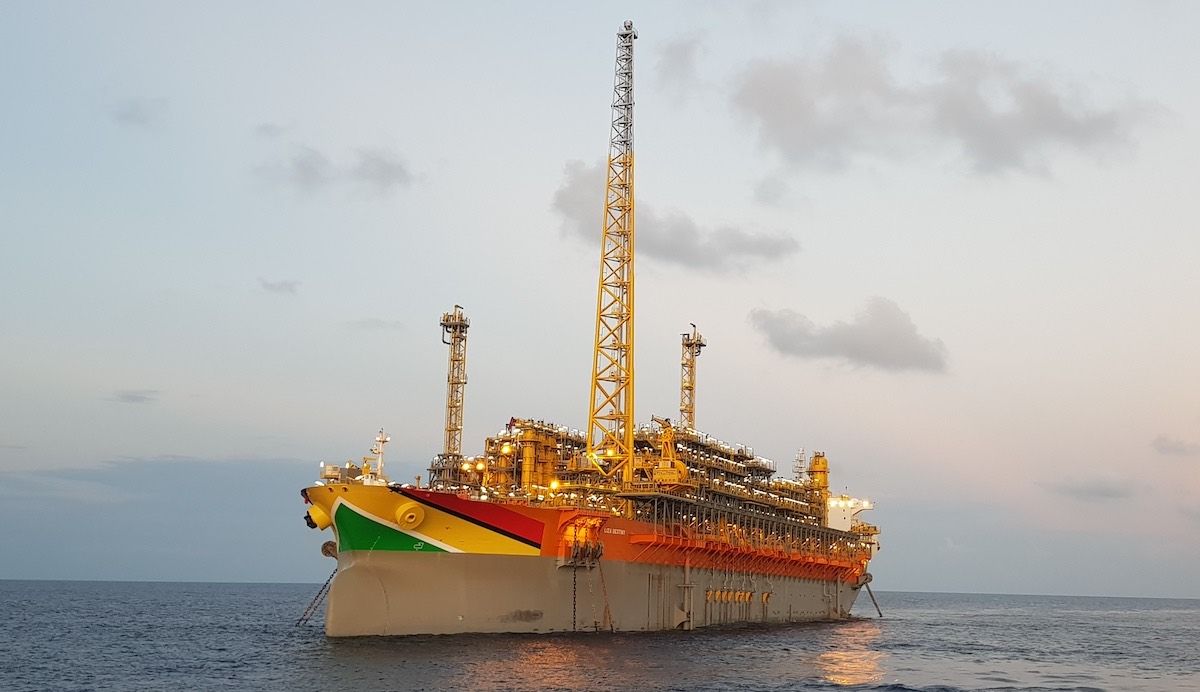
The discovery of vast oil reserves off Guyana’s coast has sent shockwaves through global energy markets. This newfound wealth promises to transform the small South American nation, offering opportunities for economic growth, infrastructure development, and improved living standards. But as the oil rigs rise on the horizon, questions linger: Will this windfall truly benefit all Guyanese, or will it deepen inequalities and exacerbate environmental challenges?
The Lure of Black Gold
Guyana’s oil boom is a double-edged sword. On one hand, it could inject much-needed funds into the country’s economy, creating jobs, improving public services, and reducing poverty. The government has already announced plans to use oil revenues for education, healthcare, and rural development. On paper, this seems like a win-win: economic opportunity meets social progress.
But the reality is more complex. The oil industry is notoriously extractive, often benefiting multinational corporations and their shareholders far removed from the communities where the resources are extracted. In Guyana, the majority of the population lives in poverty, with limited access to quality housing, healthcare, or education. Will the profits from oil drilling trickle down to these communities, or will they line the pockets of foreign companies?
Shaping Geographies
The environmental impact of oil extraction looms large over Guyana’s future. The nation is a biodiversity hotspot, home to lush rainforests and vital ecosystems. Oil exploration and production pose a direct threat to these natural treasures. Indigenous communities, who have lived in harmony with the land for generations, face displacement and cultural erasure as pipelines and drilling rigs encroach on their territories.
The government has pledged to balance economic growth with environmental preservation, but the pressures of oil wealth make this commitment difficult to uphold. As global demand for fossil fuels continues to rise, so does the temptation to prioritize short-term gains over long-term sustainability. For Guyana, navigating this delicate balance will determine whether its natural heritage is preserved or sacrificed on the altar of economic progress.
Inequality’s Shadow
The benefits of oil wealth are not distributed evenly in Guyana. The nation has one of the highest levels of income inequality in the region, with a small elite controlling most of the resources. As oil revenues flow in, there is little guarantee that marginalized communities—particularly those living in urban slums and rural areas—will share in the spoils.
Labor practices in the oil industry further exacerbate these inequalities. Many workers are recruited from neighboring countries, displacing Guyanese laborers and driving down wages. Safety standards are often lax, putting workers at risk of injury or death. For those who do benefit from the oil boom, the rewards are immense, but for the majority, it feels like a missed opportunity.
Building a Future
Guyana’s oil wealth presents a unique challenge: can it be harnessed to create a more equitable and sustainable future? Progressive policies must ensure that the benefits of oil drilling reach all citizens, not just a select few. This means investing in local industries, protecting indigenous rights, and enforcing strict environmental regulations.
Civil society groups are already pushing for greater transparency and accountability in the oil sector. Activists are demanding that the government publish detailed financial records and consult with affected communities before proceeding with large-scale projects. Their efforts are critical to ensuring that Guyana’s oil wealth becomes a force for good, rather than a source of division and exploitation.
The stakes could not be higher. As the world grapples with climate change and economic inequality, Guyana stands at a crossroads. Its oil boom offers a chance to redefine what it means to build a thriving nation—one that prioritizes people over profits and sustainability over exploitation. The question is whether the country will seize this opportunity or fall into the same old patterns of extractive capitalism.
For now, the answer remains uncertain. But one thing is clear: Guyana’s oil wealth is not just a promise or a peril—it is a mirror reflecting the choices we make today and the legacy we leave for future generations.
About the Author:
Ravi Patel is Urban Affairs Editor at our publication. Urban affairs correspondent focusing on the challenges and opportunities of rapid urbanization. His work examines how cities shape and are shaped by global trends.
 Bilingual journalist covering Middle Eastern politics and culture. Her reporting bridges the gap between local traditions and global trends, offering unique insights.
 Award-winning reporter specializing in climate change and environmental policy. His work has taken him from the Amazon rainforest to polar regions, documenting the human impact of global warming.
 Veteran journalist with over 15 years of experience leading international news operations. Known for her visionary approach to storytelling and editorial strategy, Jane has guided award-winning investigations across continents.
 Tech and innovation reporter with a focus on the intersection of technology and society. Her work explores how advancements impact global communities and economies.
 Urban affairs correspondent focusing on the challenges and opportunities of rapid urbanization. His work examines how cities shape and are shaped by global trends.