Title: The Controversy Surrounding Universal’s Ban of a Film Targeting Trump Supporters
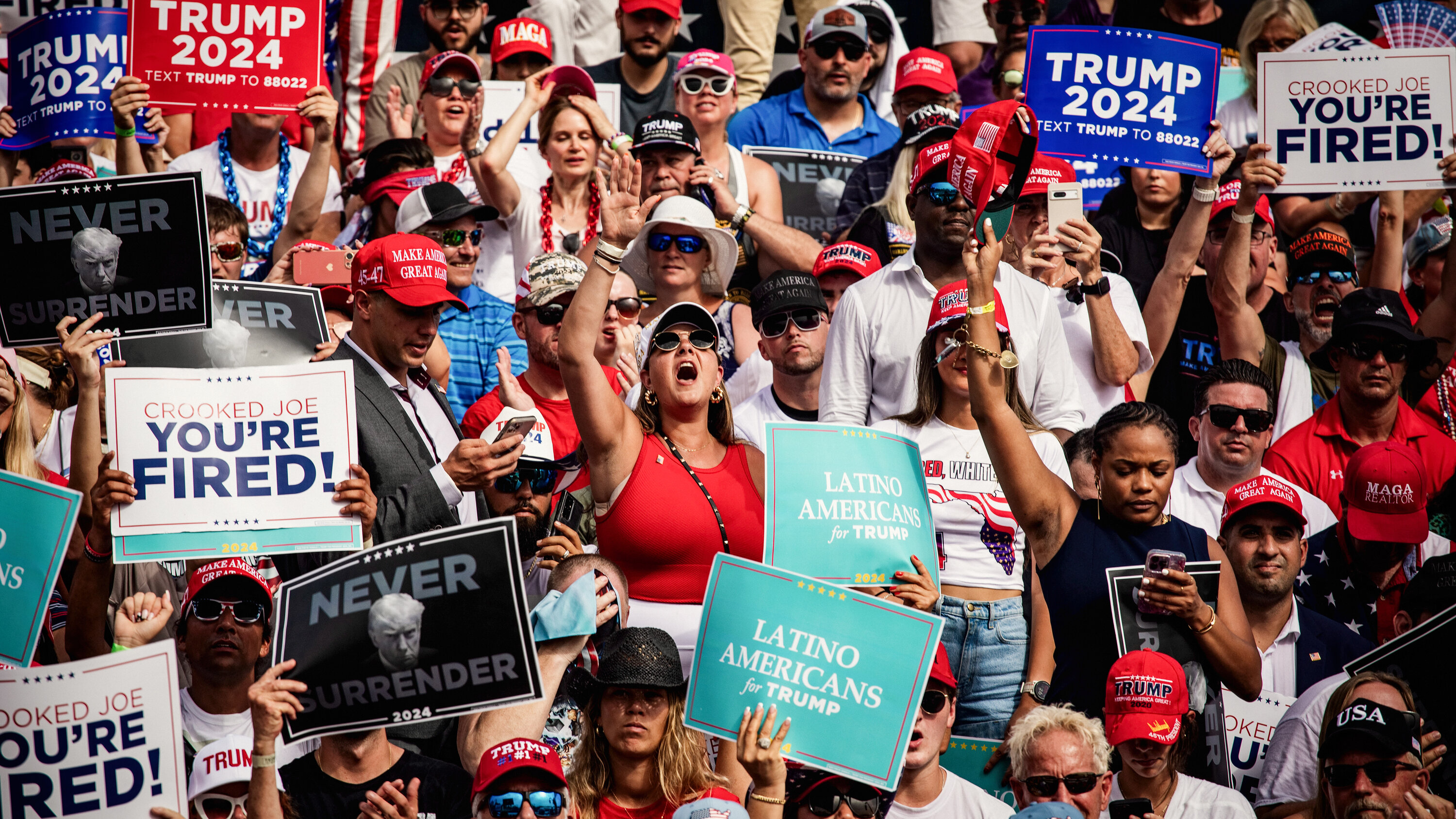
In an era where misinformation and polarization dominate public discourse, the recent decision by Universal to ban a film critical of Donald Trump has sparked intense debate. This controversy delves into complex issues of free speech, corporate responsibility, and the role of media in shaping political narratives.
The film in question, produced by an anonymous director known for provocative content, portrays Trump supporters as racists and misogynists. While the maker’s intent was to expose what they perceive as harmful ideologies, the film has been accused of perpetuating stereotypes rather than fostering understanding.
Universal’s decision to ban the film cites concerns over promoting hate speech and inciting violence against Trump supporters. The company emphasized its commitment to preventing the spread of divisive content, aligning with progressive values that prioritize inclusivity and social justice.
However, this move has drawn sharp criticism from civil rights groups and artists advocating for free expression. They argue that such censorship silences marginalized voices and sets a dangerous precedent, potentially leading to self-censorship by creators concerned about backlash.
Tech platforms, facing their own challenges with content moderation, have varied in their responses. While some support Universal’s decision, others are cautious of overstepping into censorship territory, recognizing the fine line between regulation and suppression.
The broader implications for free expression are significant. As media outlets grapple with their roles as stewards of information, there is an urgent need to balance accountability with the protection of diverse perspectives.
In conclusion, this controversy highlights the challenges of navigating a digital age where words can ignite passions and divisions. It underscores the importance of fostering nuanced dialogue that respects differing viewpoints while upholding the principles of justice and equality. Moving forward, both media entities and tech platforms must approach content regulation with careful consideration, ensuring they uphold democratic values without stifling the voices that define them.
About the Author:
Fiona Hart is Chief Editor at our publication. Veteran journalist with over 15 years of experience leading international news operations. Known for her visionary approach to storytelling and editorial strategy, Jane has guided award-winning investigations across continents.
 Bilingual journalist covering Middle Eastern politics and culture. Her reporting bridges the gap between local traditions and global trends, offering unique insights.
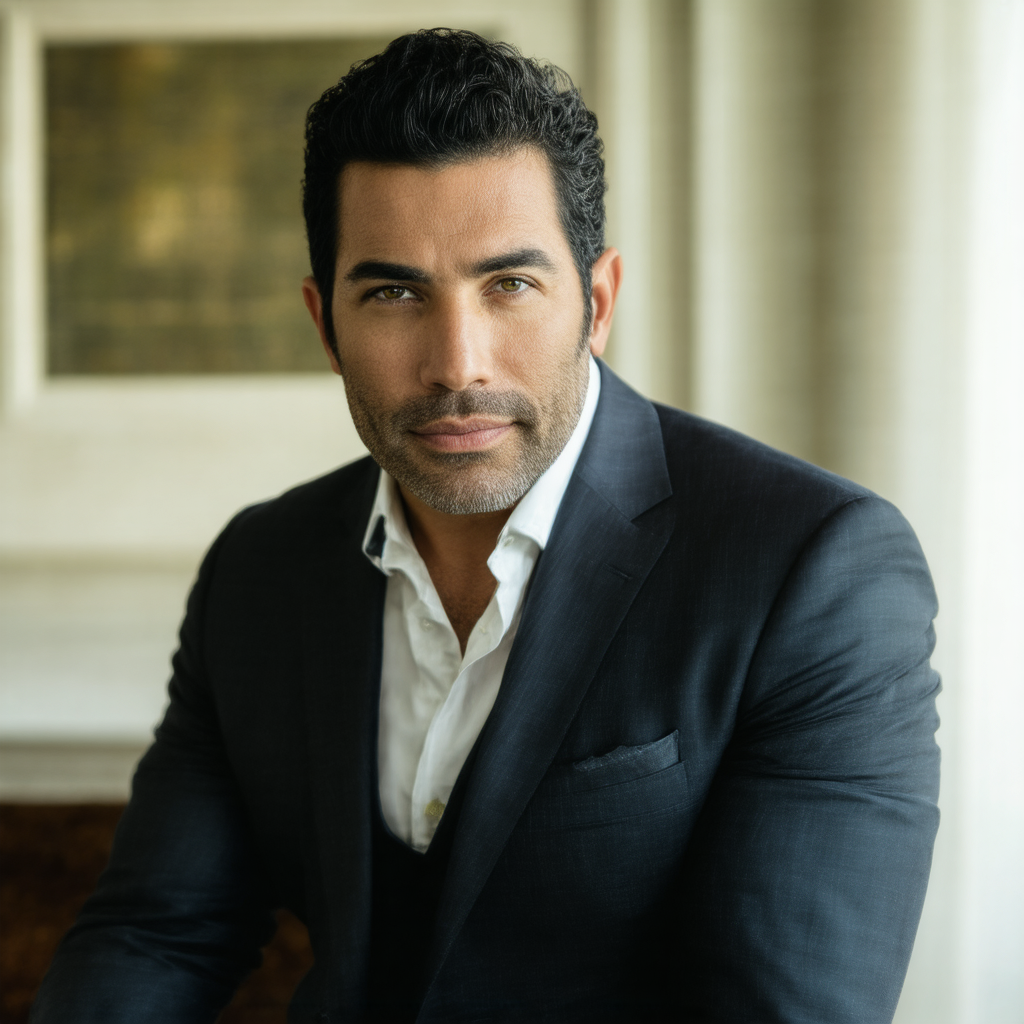 Award-winning reporter specializing in climate change and environmental policy. His work has taken him from the Amazon rainforest to polar regions, documenting the human impact of global warming.
 Veteran journalist with over 15 years of experience leading international news operations. Known for her visionary approach to storytelling and editorial strategy, Jane has guided award-winning investigations across continents.
 Tech and innovation reporter with a focus on the intersection of technology and society. Her work explores how advancements impact global communities and economies.
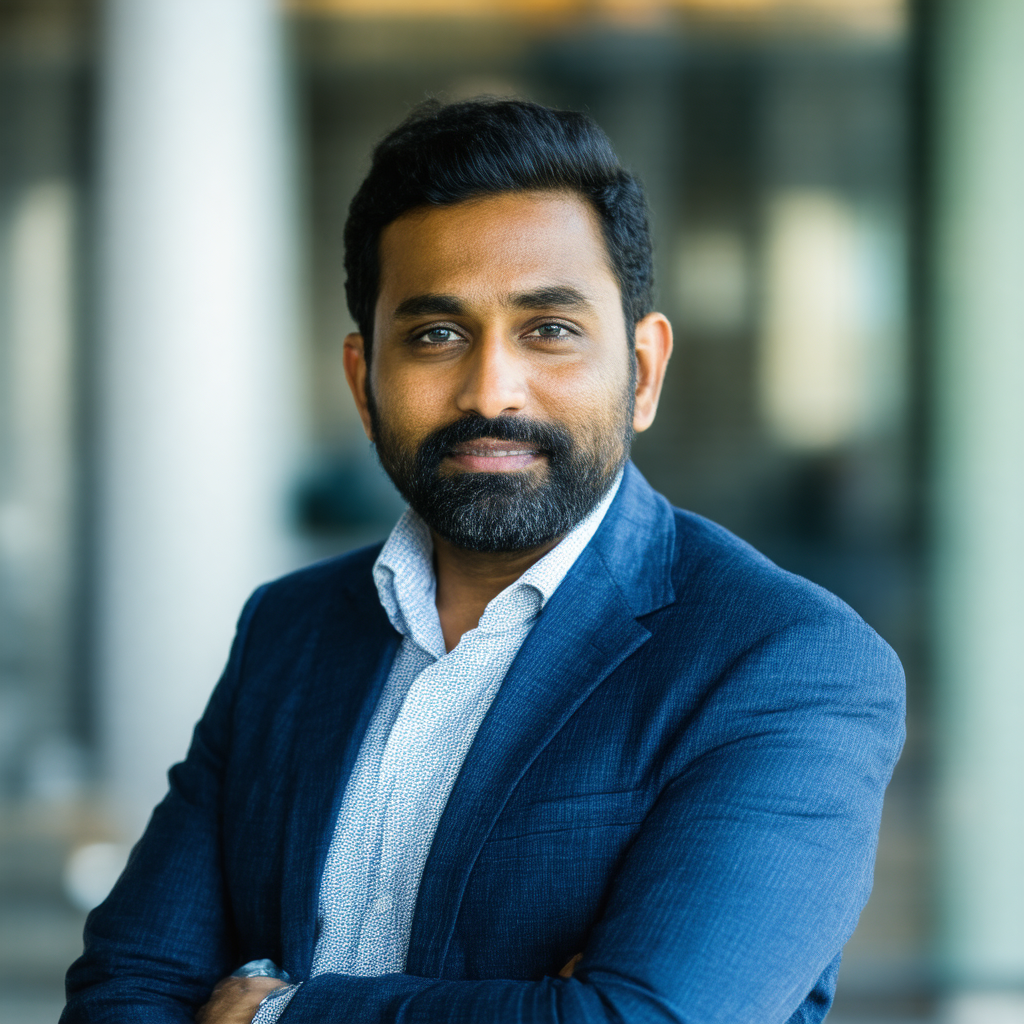 Urban affairs correspondent focusing on the challenges and opportunities of rapid urbanization. His work examines how cities shape and are shaped by global trends.