
In Brussels, Every Word Costs a Job
Brussels is not just the capital of Belgium; it’s the beating heart of the European Union, where policymakers, diplomats, and lobbyists converge to shape the future of 27 member states. But beneath its grandiose architecture and bustling streets lies a more somber reality: here, every word—every decision, every regulation—has the power to alter lives, livelihoods, and economies across the continent. And in this crucible of power, one truth emerges with stark clarity: progress often comes at the cost of jobs.
The city itself is a microcosm of this tension. Its streets are lined with think tanks, NGOs, and EU institutions, where debates rage over policies that will affect millions. But as the rhetoric heats up, so too does the anxiety among workers who find themselves caught in the crossfire of political ambition and economic necessity.
In recent years, Brussels has become a battleground for discussions on everything from climate policy to digital regulations. But these abstract concepts don’t stay abstract for long. When the EU announces new environmental standards, industries must comply—or shut down. When trade agreements are negotiated, jobs are created—or lost. And when technology companies push for stricter data regulations, entire sectors can find themselves obsolete overnight.
Consider the case of Belgium’s steel industry. Once a pillar of the national economy, it has been decimated by global competition and shifting policies. Workers who have spent decades honing their craft now find themselves out of work, their skills rendered irrelevant in the face of automation and offshoring. “We were told that progress was inevitable,” says Jean-Pierre, a former steelworker who now struggles to make ends meet. “But no one told us what happens when there’s nothing left to hold onto.”
This isn’t just an isolated story; it’s a narrative repeated across the continent. In Brussels, every policy decision is a gamble with lives—and jobs. The tech sector, often celebrated as the wave of the future, has been particularly ruthless in its impact on traditional industries. From manufacturing to retail, sectors that once provided stable employment are being hollowed out by innovation, leaving behind a trail of displaced workers.
But not everyone sees it this way. Advocates for technological progress argue that new industries will emerge to replace the old ones, creating jobs in fields like renewable energy and artificial intelligence. Yet, as Jean-Pierre’s story shows, these transitions often happen too quickly for workers to adapt. The promise of future opportunities does little to ease the pain of present losses.
This tension between progress and preservation is at the heart of Brussels’ political struggles. Policymakers are under immense pressure to balance competing interests: fostering innovation while protecting jobs, safeguarding the environment while maintaining economic stability. But as the clock ticks, the cost of inaction becomes increasingly clear.
Meanwhile, grassroots movements are beginning to push back against this relentless pace of change. Activists are demanding more comprehensive social safety nets, better retraining programs, and policies that prioritize human well-being over corporate profits. “We need a new kind of progress—one that doesn’t leave people behind,” says Maria Gonzalez, a labor organizer advocating for workers’ rights in the tech sector.
As Brussels continues to grapple with its dual role as both a hub of innovation and a center of displacement, one question lingers: can we reconcile our ambition for a better future with the reality of those left behind? The answer may lie not just in the words spoken by policymakers, but in how those words translate into action—and whether they ever make their way back to the people whose jobs are at stake.
About the Author:
Hana Kim is Technology Editor at our publication. Tech and innovation reporter with a focus on the intersection of technology and society. Her work explores how advancements impact global communities and economies.
 Bilingual journalist covering Middle Eastern politics and culture. Her reporting bridges the gap between local traditions and global trends, offering unique insights.
 Award-winning reporter specializing in climate change and environmental policy. His work has taken him from the Amazon rainforest to polar regions, documenting the human impact of global warming.
 Veteran journalist with over 15 years of experience leading international news operations. Known for her visionary approach to storytelling and editorial strategy, Jane has guided award-winning investigations across continents.
 Tech and innovation reporter with a focus on the intersection of technology and society. Her work explores how advancements impact global communities and economies.
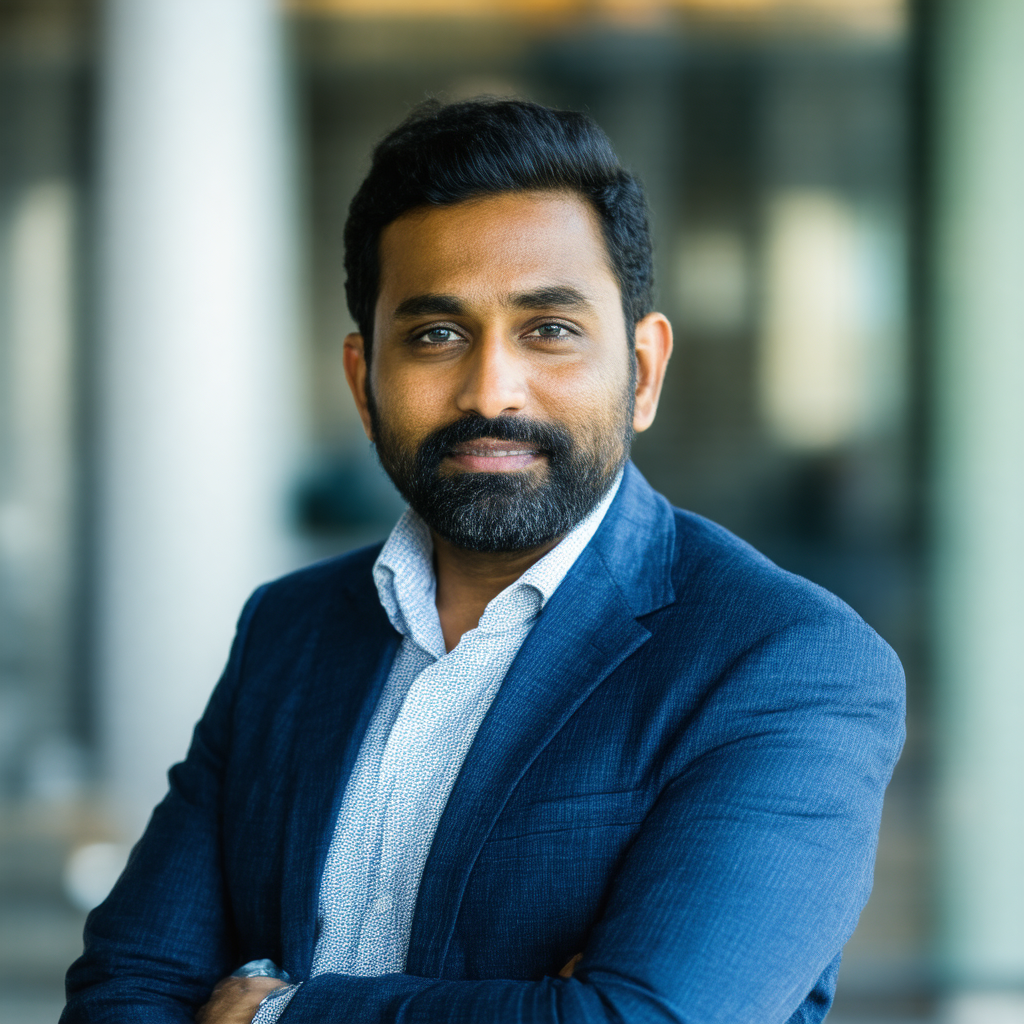 Urban affairs correspondent focusing on the challenges and opportunities of rapid urbanization. His work examines how cities shape and are shaped by global trends.