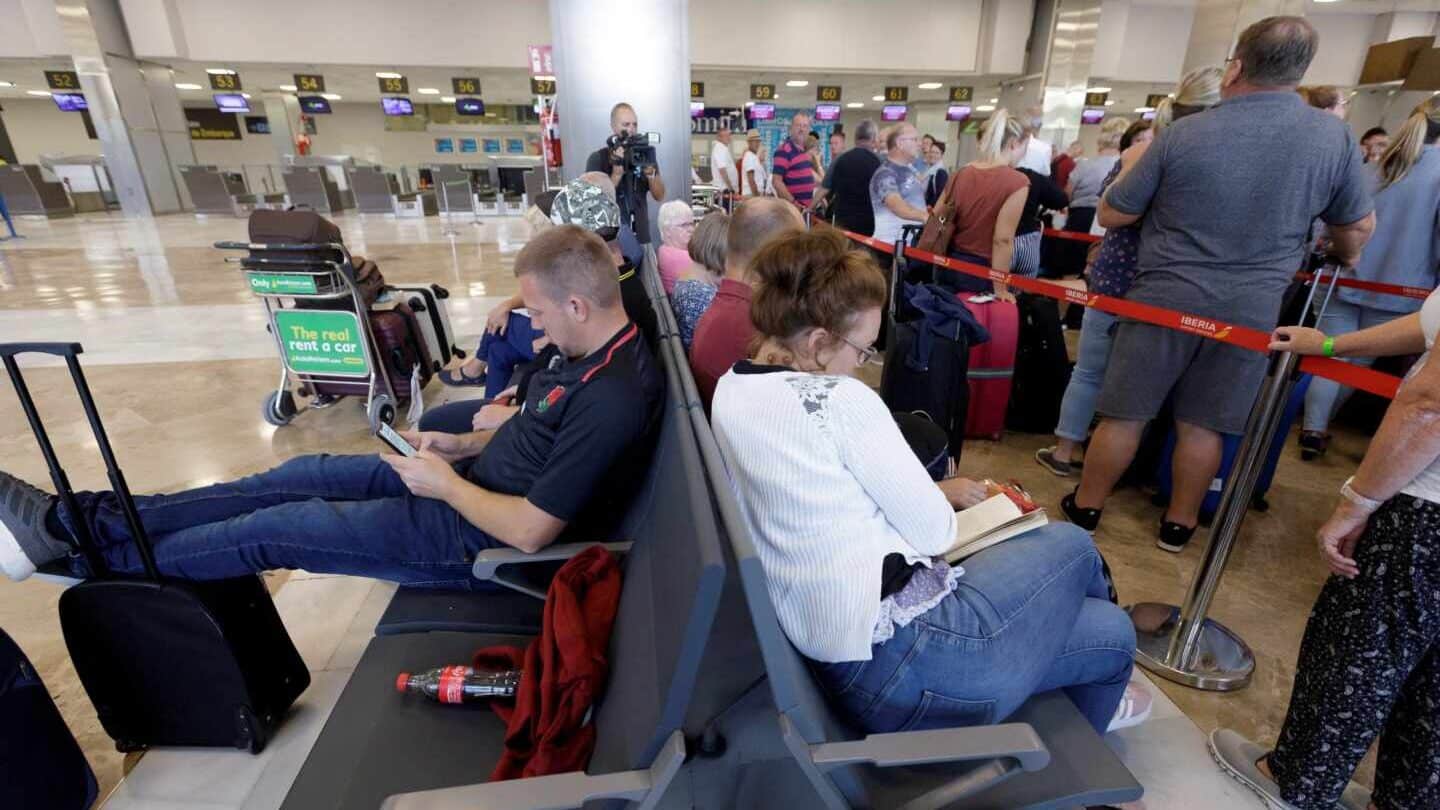
Spain’s Tourism Industry in Turmoil: The Ripple Effect of Thomas Cook’s Collapse
In the sun-drenched archipelago of the Canary Islands, where tourists once basked under golden skies, a somber mood now prevails. The recent collapse of Thomas Cook, the iconic British travel giant, has left thousands of workers across Spain high and dry, grappling with lost jobs and uncertain futures. This crisis isn’t just an isolated incident; it’s a stark reminder of the fragility of the tourism industry and the human cost of corporate mismanagement.
For decades, Thomas Cook was a cornerstone of international travel, offering affordable package holidays to destinations around the world. Its bankruptcy in September 2019 sent shockwaves through the global tourism sector, particularly in Spain, which had relied heavily on the company for bookings. The Canary Islands, a popular hotspot for British holidaymakers, saw an immediate drop in arrivals. Hotels closed their doors, restaurants emptied out, and local businesses felt the pinch as the tourist season came to an abrupt end.
The workers left behind tell a heartrending story of dashed hopes and economic instability. Maria Gonzalez, a seasoned tour guide in Tenerife, found herself without a job after 15 years of loyal service. “We worked hard every day, guided thousands of tourists, and now we’re left with nothing,” she shared, her voice tinged with despair. Many workers face a similar fate, struggling to make ends meet as they navigate the uncertainty of unemployment.
The economic repercussions extend far beyond the Canary Islands. Spain’s tourism industry, which contributes over 12% to its GDP, is reeling from the loss of thousands of jobs and a significant drop in revenue. Smaller businesses, particularly those in remote areas reliant on British tourists, are finding it difficult to survive. This crisis underscores the precarious nature of an industry that often thrives on the backs of low-wage workers and temporary contracts.
As global temperatures rise and climate change continues to threaten destinations worldwide, the need for sustainable tourism practices becomes increasingly urgent. The Thomas Cook collapse serves as a cautionary tale about the dangers of over-reliance on a single market and the importance of diversifying tourist demographics. Progressives argue that fostering resilient local economies and protecting workers’ rights are essential steps toward building a more equitable and sustainable tourism sector.
The crisis also highlights the critical role of corporate responsibility. The failure of Thomas Cook, once a titan of the travel industry, has left a trail of devastation in its wake. Advocates for labor rights call for stronger regulations to ensure that companies operating in the tourism sector prioritize the welfare of their employees and communities over short-term profits.
As Spain works to recover from this blow, the lessons learned from the Thomas Cook collapse are more relevant than ever. The industry must adopt a new approach—one that values sustainability, equity, and long-term stability—while advocating for policies that protect workers and communities alike. Only then can tourism truly become an engine of progress and prosperity for all.
About the Author:
Fiona Hart is Chief Editor at our publication. Veteran journalist with over 15 years of experience leading international news operations. Known for her visionary approach to storytelling and editorial strategy, Jane has guided award-winning investigations across continents.
 Bilingual journalist covering Middle Eastern politics and culture. Her reporting bridges the gap between local traditions and global trends, offering unique insights.
 Award-winning reporter specializing in climate change and environmental policy. His work has taken him from the Amazon rainforest to polar regions, documenting the human impact of global warming.
 Veteran journalist with over 15 years of experience leading international news operations. Known for her visionary approach to storytelling and editorial strategy, Jane has guided award-winning investigations across continents.
 Tech and innovation reporter with a focus on the intersection of technology and society. Her work explores how advancements impact global communities and economies.
 Urban affairs correspondent focusing on the challenges and opportunities of rapid urbanization. His work examines how cities shape and are shaped by global trends.