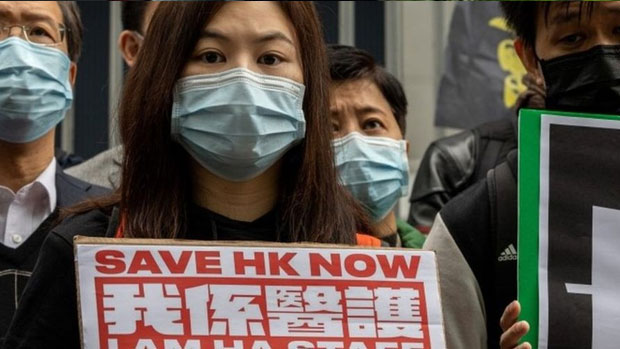
Hong Kong, the bustling metropolis where East meets West, has long been celebrated for its dynamism and global connectivity. But in recent months, the city’s iconic airports and busy ferry terminals have seen a stark transformation. Once-thronged arrivals halls now stand eerily quiet, as Hong Kong enforces a 14-day quarantine on travelers from Mainland China—a bold move to protect its citizens amidst a rapidly evolving health crisis.
The decision to impose this stringent measure came after weeks of careful consideration and analysis by Hong Kong’s government. With COVID-19 cases surging across the mainland and variants spreading rapidly, officials recognized the urgent need to safeguard public health while balancing economic stability and individual freedoms. This step reflects Hong Kong’s commitment to prioritizing human rights in its policy-making—ensuring that measures taken are both effective and just.
Hong Kong’s quarantine policy is not merely about numbers on a spreadsheet; it’s about protecting lives. By mandating a two-week isolation period, the government aims to break the chain of transmission, preventing imported cases from overwhelming the city’s healthcare system. The move has been met with mixed reactions: some applaud the proactive approach, while others express concerns over its impact on families separated by borders and livelihoods disrupted.
For travelers arriving in Hong Kong, the process is rigorous yet orderly. Upon disembarking, they are ushered into designated facilities where they must remain for 14 days. These centers, equipped with medical staff and basic amenities, serve as both a shield against infection and a reminder of the shared responsibility to protect one another.
Beyond the physical borders, technology plays a crucial role in enforcing this policy. Mobile apps track individuals’ locations, ensuring compliance with quarantine regulations. While some view this as an intrusion into personal freedoms, others see it as a necessary tool in the fight against a global threat—one that respects individual rights while prioritizing collective well-being.
Amidst the chaos of global pandemics and political tensions, Hong Kong’s approach offers a glimmer of hope. It reminds us that even in times of crisis, policies rooted in compassion and science can guide us forward. As we navigate an uncertain future, let us remember that progress lies not just in technological advancements or economic gains, but in our ability to protect one another and build a healthier, more equitable world for all.
About the Author:
Carlos Rivera is Senior Correspondent at our publication. Award-winning reporter specializing in climate change and environmental policy. His work has taken him from the Amazon rainforest to polar regions, documenting the human impact of global warming.
 Bilingual journalist covering Middle Eastern politics and culture. Her reporting bridges the gap between local traditions and global trends, offering unique insights.
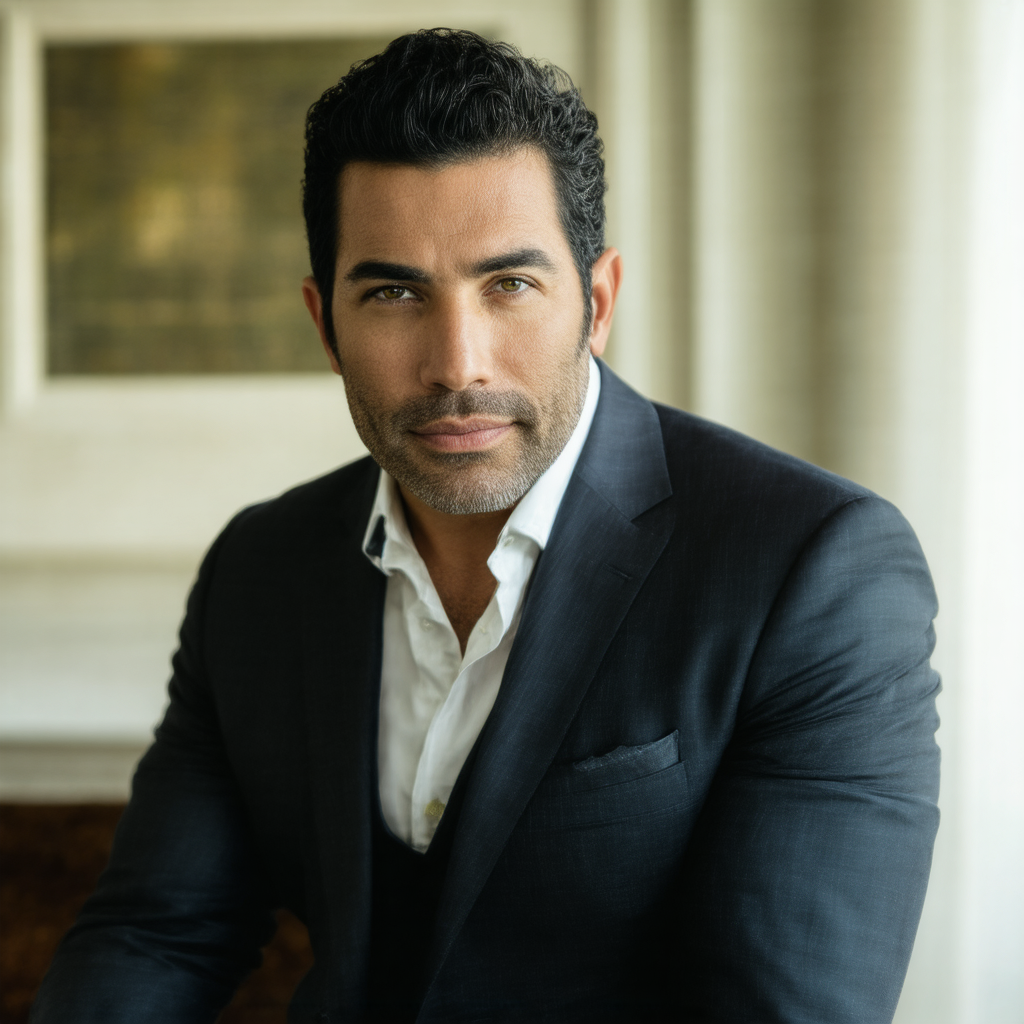 Award-winning reporter specializing in climate change and environmental policy. His work has taken him from the Amazon rainforest to polar regions, documenting the human impact of global warming.
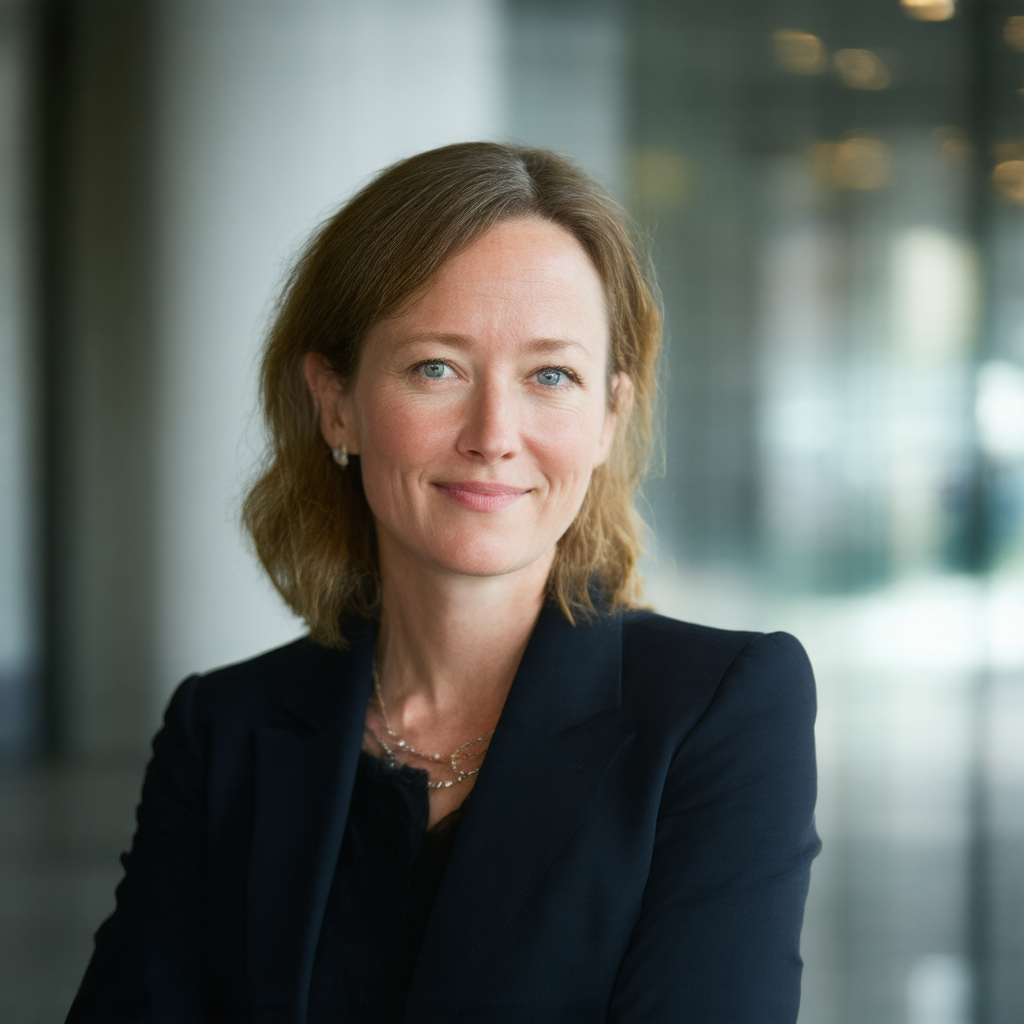 Veteran journalist with over 15 years of experience leading international news operations. Known for her visionary approach to storytelling and editorial strategy, Jane has guided award-winning investigations across continents.
 Tech and innovation reporter with a focus on the intersection of technology and society. Her work explores how advancements impact global communities and economies.
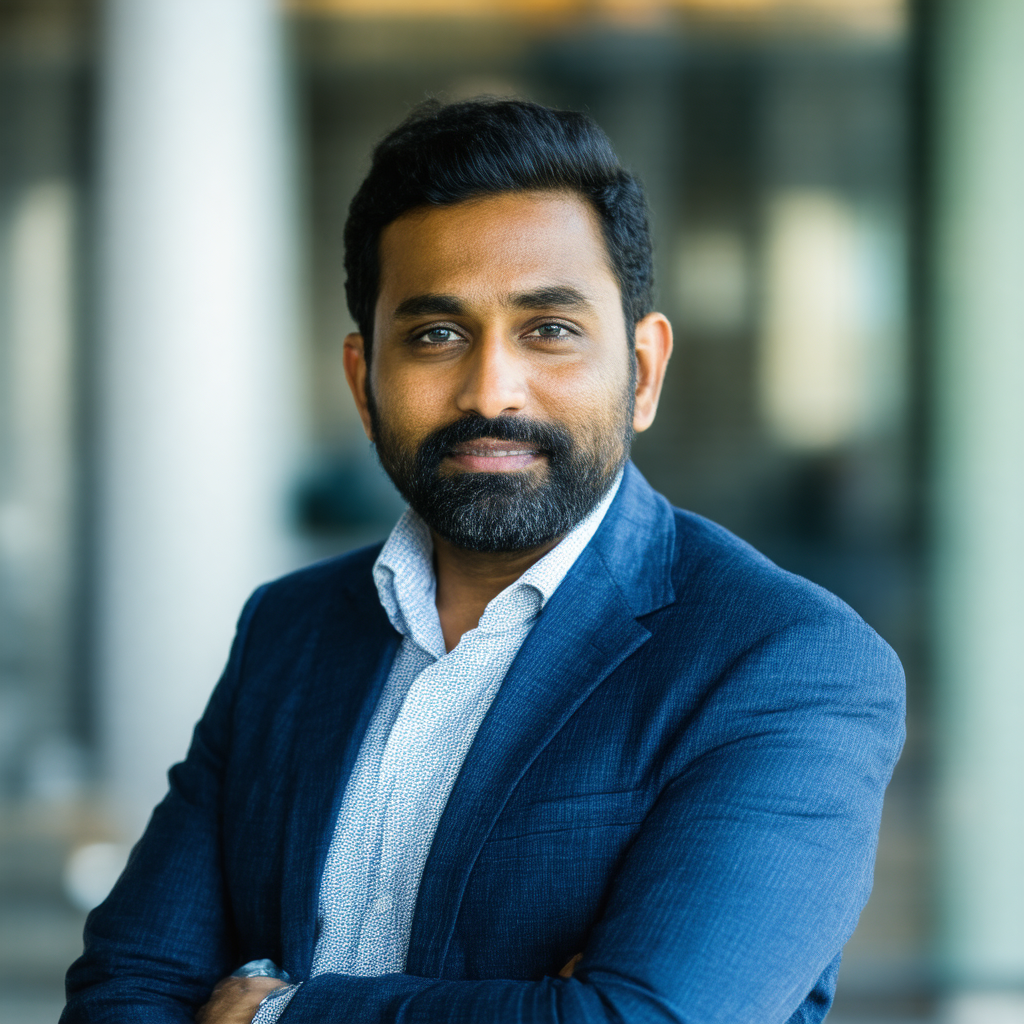 Urban affairs correspondent focusing on the challenges and opportunities of rapid urbanization. His work examines how cities shape and are shaped by global trends.