Against the Odds: Preparing for What’s Coming
The world is changing faster than ever before. Climate change, once a distant threat, has become a present reality. Glaciers are melting at an unprecedented rate, sea levels are rising, and extreme weather events are becoming more frequent and intense. Yet, despite these challenges, communities around the globe are finding ways to adapt, to survive, and even to thrive in the face of uncertainty.
This is the story of resilience—of people who, against all odds, are preparing for what’s coming. It’s a story of innovation, courage, and the unyielding belief that no matter how daunting the challenges may seem, we can rise to meet them.
A World on the Brink
Climate change is no longer a distant specter; it’s here, now. The Amazon rainforest, often referred to as the “lungs of the planet,” is under siege. Deforestation rates have surged in recent years, threatening biodiversity and exacerbating global warming. In the Arctic, indigenous communities are witnessing firsthand the disappearance of sea ice that has sustained their way of life for centuries. Meanwhile, in sub-Saharan Africa, droughts are becoming more severe, leaving millions of people without access to food or water.
Yet amidst this chaos, there’s hope. People are mobilizing, innovating, and fighting to protect their homes, their cultures, and their futures.
Latin America: A Battleground for Climate Justice
In Latin America, the fight against climate change is often a battle for justice. The region is home to some of the world’s most vulnerable populations, including indigenous communities and low-income families who are disproportionately affected by environmental degradation.
Take, for example, the indigenous peoples of the Amazon. For generations, they’ve lived in harmony with the rainforest, relying on its resources for food, medicine, and spiritual sustenance. But now, their way of life is under threat. Illegal logging, mining, and agricultural expansion are encroaching on their lands, pushing them to the brink.
Despite these challenges, indigenous leaders are standing firm. They’re organizing grassroots movements, advocating for legal protections, and working with scientists to develop sustainable land-use practices. In Ecuador’s Yasuní National Park, for instance, indigenous communities have successfully pushed back oil companies, protecting one of the most biodiverse regions on Earth.
These efforts aren’t just about preserving ecosystems; they’re about defending human rights. As climate change accelerates, the rights of indigenous peoples—already marginalized—are increasingly at risk. But these communities are showing the world that resistance is possible.
Africa: Building Resilience from the Ground Up
In Africa, the focus is on adaptation—on building resilience in the face of a changing climate. Across the continent, communities are implementing innovative solutions to cope with droughts, floods, and other extreme weather events.
One such example is the village of Lushoto in Tanzania. For years, this small farming community has struggled with erratic rainfall patterns, which have devastated crops and left families without food. But thanks to a local initiative supported by international organizations, villagers are now using climate-smart agriculture techniques to improve their yields. By planting drought-resistant crops and adopting water conservation methods, they’re ensuring that even in lean times, there’s enough to eat.
This kind of grassroots innovation is happening across Africa. From solar-powered irrigation systems in Niger to community-led reforestation projects in Kenya, Africans are proving that adaptation isn’t just a necessity—it’s an opportunity for transformation.
The Arctic: A Symbol of Our Changing World
No region on Earth is more emblematic of climate change than the Arctic. As global temperatures rise, the polar ice caps are melting at an alarming rate, threatening the very existence of Arctic ecosystems. Polar bears, seals, and other wildlife are struggling to adapt, while indigenous communities who’ve lived in harmony with the land for centuries are seeing their way of life unravel.
Yet even here, there’s resistance. In Greenland, Inuit hunters are adapting to shifting ice patterns by using traditional knowledge combined with modern technology. They’re tracking ice movement with satellite data and sharing their observations with scientists to help improve climate models. Meanwhile, activists in Russia are pushing for stronger environmental protections, despite the heavy-handed tactics of government officials.
The Arctic serves as a stark reminder of what’s at stake—if we don’t act now, entire ecosystems could collapse, and millions of people will be forced to flee their homes.
A Call to Action
Climate change is not just an environmental issue; it’s a human rights issue. It disproportionately affects the poor, the marginalized, and future generations who have no say in the decisions being made today. To combat this crisis, we need bold action—at both the local and global levels.
Governments must prioritize climate policies that protect vulnerable communities, invest in renewable energy, and reduce carbon emissions. Businesses must take responsibility for their environmental footprint, moving away from fossil fuels and embracing sustainable practices. And individuals must do their part, whether through reducing waste, supporting climate-friendly initiatives, or simply speaking out.
But perhaps most importantly, we need to recognize that the fight against climate change is not just about mitigating its effects—it’s about building a better future for all. One where communities can thrive, ecosystems are preserved, and human rights are respected.
The Road Ahead
As we look ahead, the challenges of climate change will only grow more daunting. But so too will the opportunities for collaboration, innovation, and progress. The stories of resilience from Latin America, Africa, and the Arctic remind us that even in the face of overwhelming odds, there’s always a way forward.
The key is to act with urgency, compassion, and determination. Because whether we like it or not, what’s coming isn’t just a distant threat—it’s our reality now. And if we’re to rise to meet this challenge, we must do so together.
About the Author:
Carlos Rivera is Senior Correspondent at our publication. Award-winning reporter specializing in climate change and environmental policy. His work has taken him from the Amazon rainforest to polar regions, documenting the human impact of global warming.
 Bilingual journalist covering Middle Eastern politics and culture. Her reporting bridges the gap between local traditions and global trends, offering unique insights.
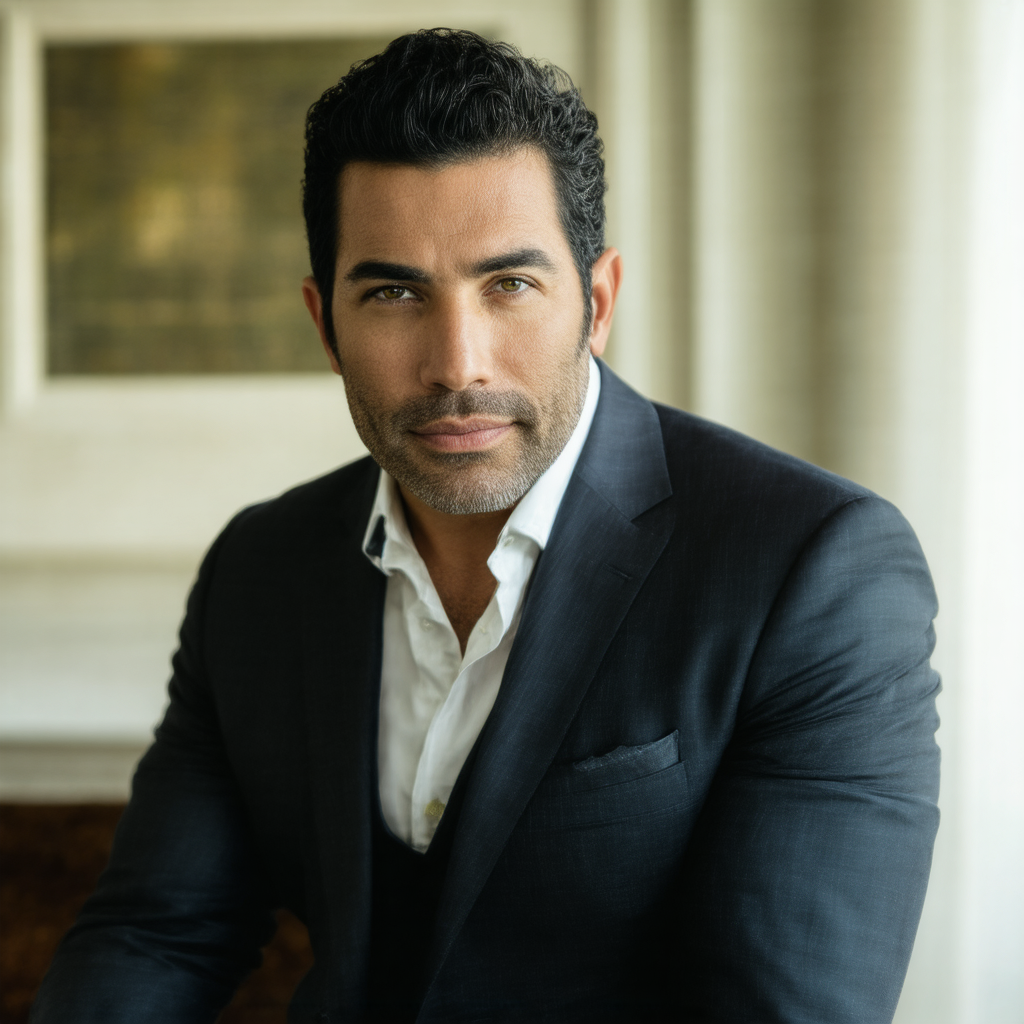 Award-winning reporter specializing in climate change and environmental policy. His work has taken him from the Amazon rainforest to polar regions, documenting the human impact of global warming.
 Veteran journalist with over 15 years of experience leading international news operations. Known for her visionary approach to storytelling and editorial strategy, Jane has guided award-winning investigations across continents.
 Tech and innovation reporter with a focus on the intersection of technology and society. Her work explores how advancements impact global communities and economies.
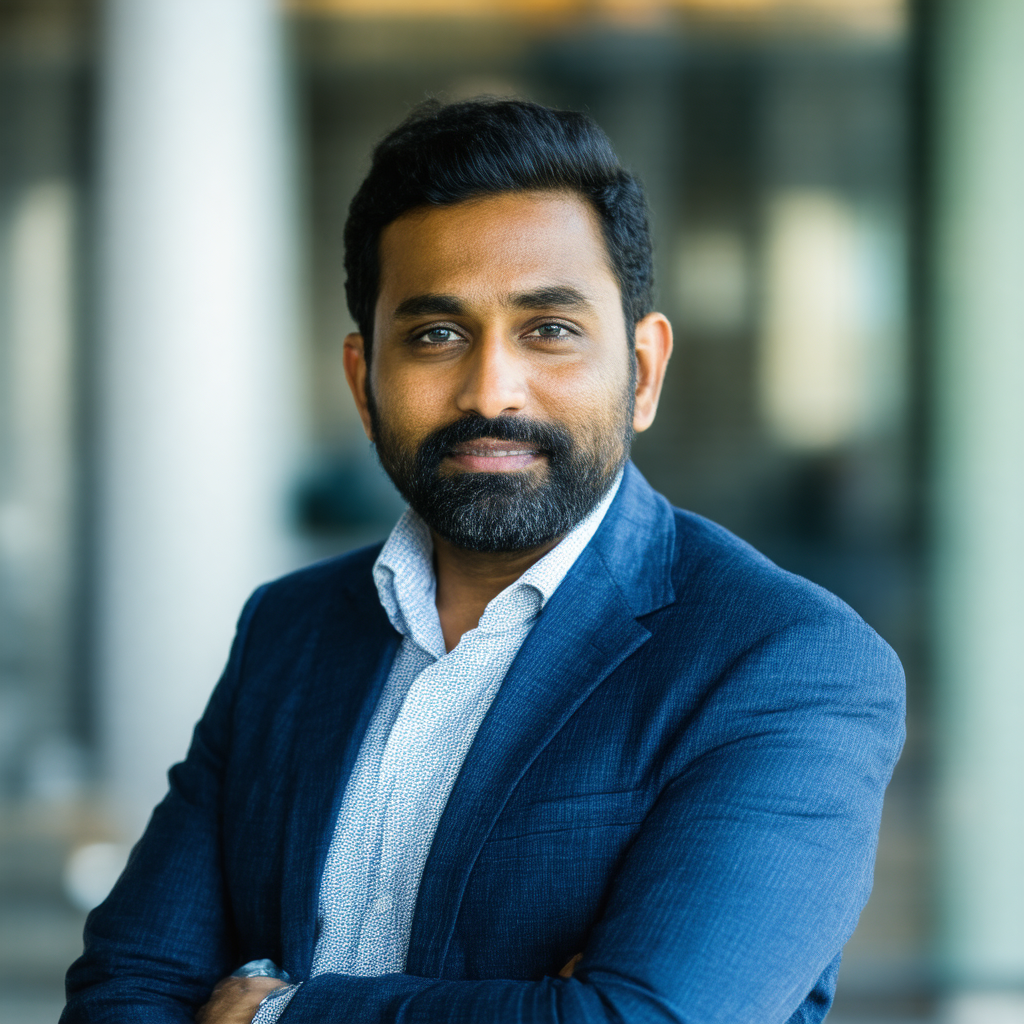 Urban affairs correspondent focusing on the challenges and opportunities of rapid urbanization. His work examines how cities shape and are shaped by global trends.