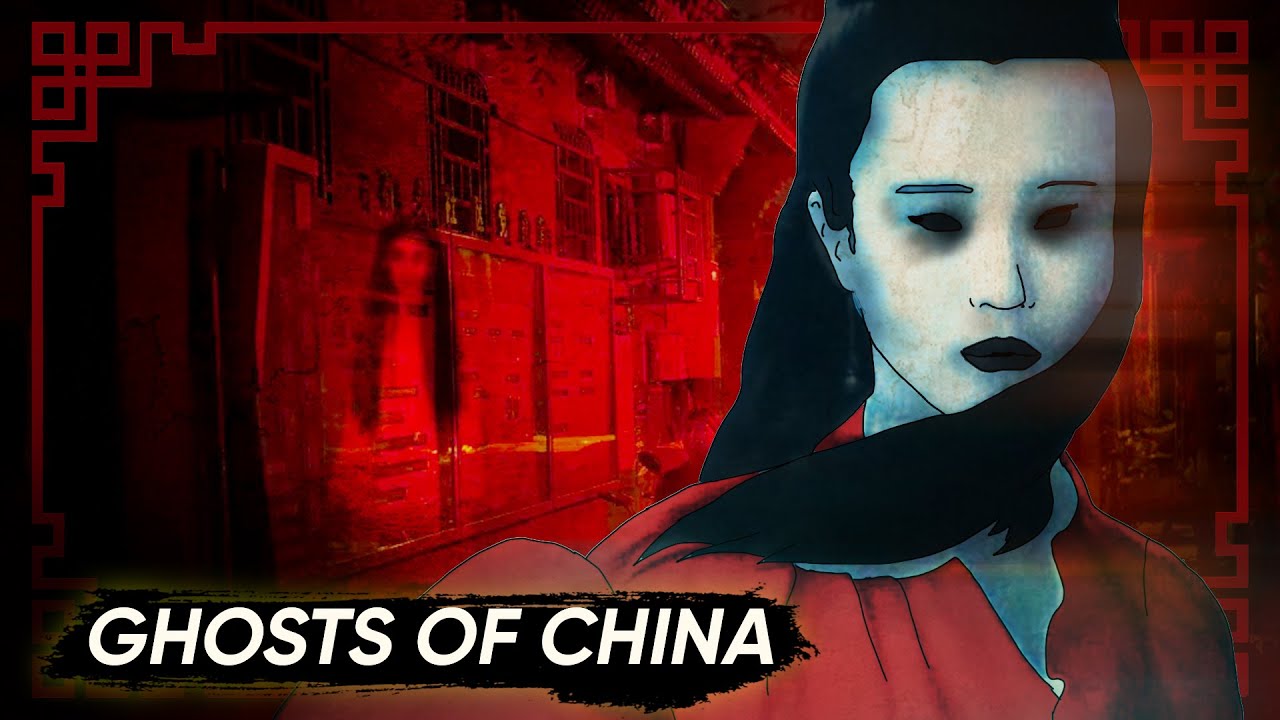
The echoes of ghost towns and mass detentions reverberate across regions where China’s expanding influence intersects with its domestic policies. In a world where borders blur and migration becomes a contentious issue, the fate of detainees in Chinese facilities raises questions about justice, human rights, and the clash between nation-states and individual freedoms.
In the arid landscapes of Xinjiang, where the sun casts long shadows over detention centers, the voices of those detained are barely audible. The region, once known for its vibrant cultures and diverse populations, now stands as a testament to the silencing power of state control. Detainees, many accused of vague crimes like “terrorism” or “subversion,” find themselves trapped in a legal system that offers little transparency or recourse. Their stories, if they ever reach the outside world, are often fragmented and distorted, leaving questions about their fates hanging in the air.
Amid this silence, a former detainee, let’s call him Ali, shared his harrowing experience. “I was taken from my home one night, my family never informed of my whereabouts,” he recounted. “For months, I faced interrogation and isolation, but no charges were ever brought against me.” His story is not unique; it mirrors the experiences of countless others caught in China’s expanding security net.
The legal battle to determine the fate of detainees has become a battleground for human rights advocates both within and outside China. International law, particularly the Universal Declaration of Human Rights, enshrines the principle of presumption of innocence and the right to fair trial. Yet, in China, these principles often take a backseat to state security concerns. The Chinese government maintains that its policies are aimed at combating extremism and maintaining social stability, but critics argue that this comes at the cost of individual freedoms.
The global implications of China’s actions cannot be understated. As China positions itself as a global power, its domestic practices set precedents for other nations. Questions about the treatment of detainees and the balance between security and human rights are increasingly relevant in an interconnected world where migration and displacement shape political landscapes.
In this climate, activists, journalists, and legal experts continue to push for accountability, amplifying the voices of those silenced by state power. The clash between ghosts—those who have been erased from official narratives—and the echoes of their struggles remind us that human rights are not just abstract ideals but lived realities.
About the Author:
Sofia Hassan is Investigative Reporter at our publication. Documentary filmmaker and reporter, Sofia brings a visual storytelling approach to her work on migration and displacement. Her stories have aired on major networks worldwide.
 Bilingual journalist covering Middle Eastern politics and culture. Her reporting bridges the gap between local traditions and global trends, offering unique insights.
 Award-winning reporter specializing in climate change and environmental policy. His work has taken him from the Amazon rainforest to polar regions, documenting the human impact of global warming.
 Veteran journalist with over 15 years of experience leading international news operations. Known for her visionary approach to storytelling and editorial strategy, Jane has guided award-winning investigations across continents.
 Tech and innovation reporter with a focus on the intersection of technology and society. Her work explores how advancements impact global communities and economies.
 Urban affairs correspondent focusing on the challenges and opportunities of rapid urbanization. His work examines how cities shape and are shaped by global trends.