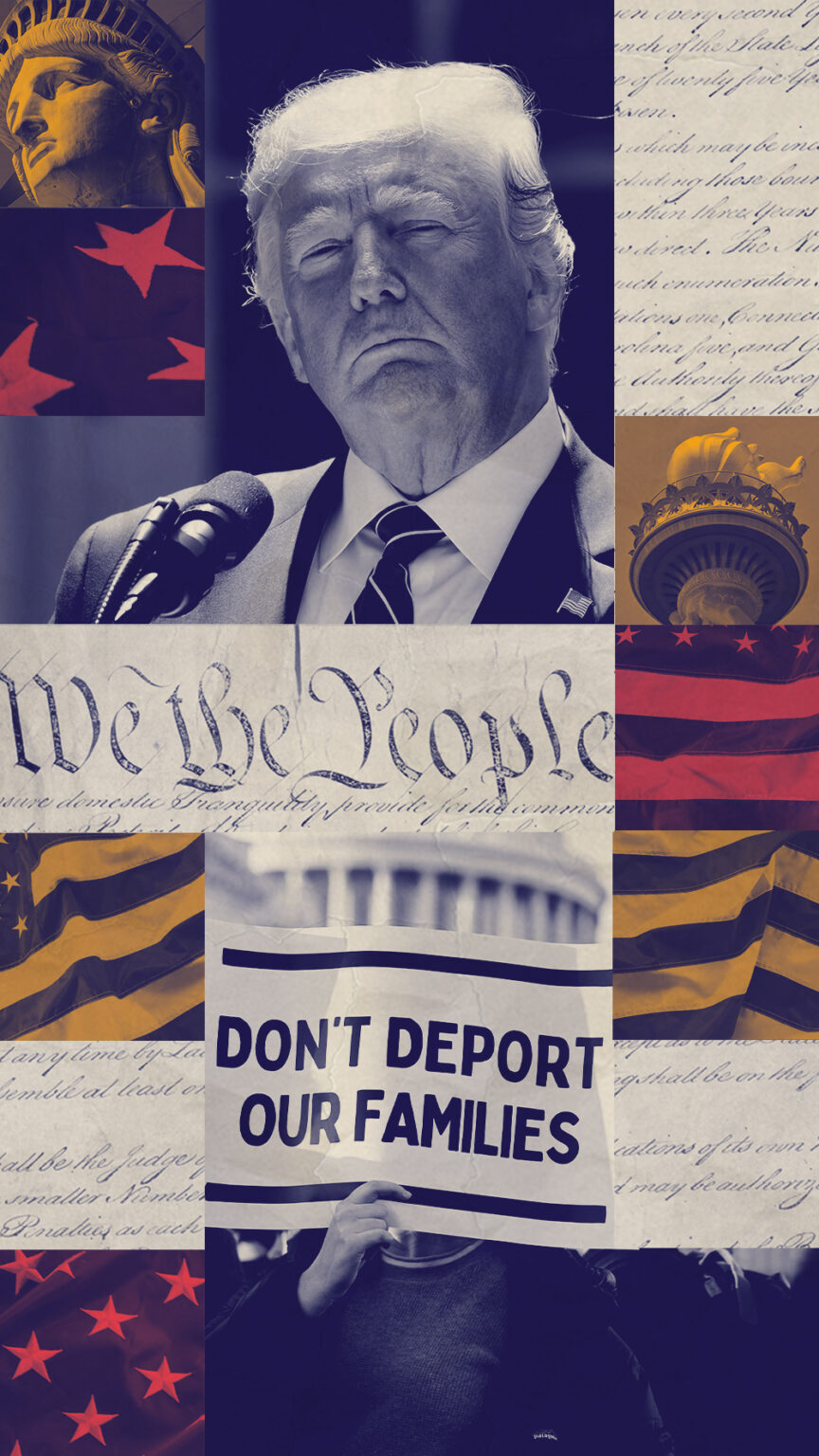
The Hidden Toll: How US Defense Policies Tear Families Apart
In the shadows of national security and military strategy, a lesser-known crisis unfolds—families separated by unfair defense policies. These policies, often implemented in the name of national safety, disproportionately affect vulnerable communities, leaving emotional scars that last generations.
A Family’s Journey Through Uncertainty
Meet Maria, a mother from a Latinx community whose life took an unexpected turn when her partner was deployed. The separation wasn’t just a temporary absence; it became a prolonged ordeal due to extended tours of duty and inconsistent leave policies. “I never imagined I’d face this alone,” she shares, her voice tinged with sorrow. Her story is not unique; thousands of families like hers grapple with the consequences of defense policies that ignore their domestic impact.
The Data Behind the Heartbreak
According to recent studies, over 100,000 military families experience separation due to deployment each year. A significant portion face extended separations, averaging 18 months. This disrupts children’s education and increases reliance on single-parent households. The emotional toll is staggering—rates of anxiety and depression among these children are 30% higher than the national average.
Broader Implications: A Public Health Crisis
The repercussions extend beyond immediate families. Communities face economic strains as displaced workers leave their jobs, and social services become overwhelmed. From a public health perspective, prolonged separations contribute to mental health crises and increased disease spread in crowded living conditions post-separation.
Advocating for Change
The path forward demands systemic reforms. Shortening deployment tours, ensuring regular leave entitlements, and providing robust support systems can mitigate these effects. Grassroots movements are already making strides—local initiatives provide counseling and community resources to affected families, offering hope amidst the chaos.
A Call to Action
The time is ripe for a collective push towards policy change. By addressing the overlooked domestic impact of defense policies, we can build a more equitable future where no family is torn apart in the name of security. Together, through advocacy and support, we can heal these divides and ensure every family remains intact.
This narrative underscores the importance of balancing national security with the well-being of families, urging policymakers to consider the human cost of their decisions. The road ahead is challenging but hopeful—through unity and action, we can create a future where no family is left behind.
About the Author:
Emily Zhang is Health Editor at our publication. Data journalist with a focus on global health and infectious diseases. Her work uses data to tell stories about public health challenges around the world.
 Bilingual journalist covering Middle Eastern politics and culture. Her reporting bridges the gap between local traditions and global trends, offering unique insights.
 Award-winning reporter specializing in climate change and environmental policy. His work has taken him from the Amazon rainforest to polar regions, documenting the human impact of global warming.
 Veteran journalist with over 15 years of experience leading international news operations. Known for her visionary approach to storytelling and editorial strategy, Jane has guided award-winning investigations across continents.
 Tech and innovation reporter with a focus on the intersection of technology and society. Her work explores how advancements impact global communities and economies.
 Urban affairs correspondent focusing on the challenges and opportunities of rapid urbanization. His work examines how cities shape and are shaped by global trends.