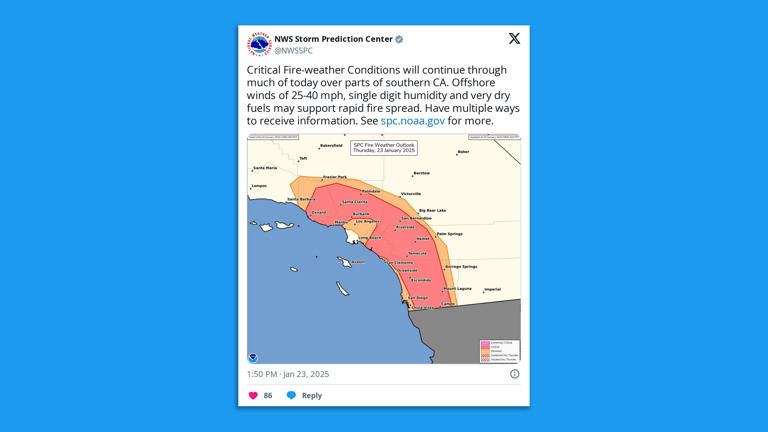
In the dim glow of a hazy evening, the Bay Area finds itself under siege once again. The air, thick with smoke, carries the acrid scent of disaster as wildfires肆虐 nearby regions, forcing thousands to flee their homes in a desperate bid for safety. This isn’t just another wildfire season—it’s a stark reminder of the climate crisis’ unyielding grip on our lives, livelihoods, and future.
The evacuees are not merely numbers; they’re families huddled in shelters, individuals clutching memories of lost possessions, and communities searching for stability in an increasingly unpredictable world. The Bay Area, known for its innovation and resilience, is now a symbol of the climate-driven chaos that threatens us all. As fires consume forests and neighborhoods, the region’s iconic skyline, once a beacon of progress, now stands shrouded in smoke—a haunting metaphor for the challenges we face.
The climate crisis isn’t just a distant threat; it’s here, now, in the form of raging fires that leave little time to react. The Bay Area’s air quality index has reached hazardous levels, turning the sky an eerie orange and forcing residents indoors, where they can only hope for clean air through masks. For those with preexisting conditions, this is a matter of life and death. The economic toll is also immense: businesses shutter, workers lose livelihoods, and the cost of recovery looms over already strained budgets.
Yet amidst this devastation lies a glimmer of hope—a testament to the power of community. Grassroots organizations and local leaders are at the forefront, coordinating evacuations, distributing resources, and offering emotional support. Neighbors are opening their homes to those displaced, and volunteers are risking their safety to combat the flames. These acts of solidarity remind us that while the climate crisis may be global, the solutions must be local and collective.
The Bay Area’s experience is a call to action—not just for individuals, but for policymakers and corporations. It underscores the urgent need for systemic change: investments in renewable energy, equitable disaster preparedness, and policies that prioritize people over profit. The fires are a wake-up call, demanding that we reevaluate how we live, work, and relate to our environment.
As night falls on another day of crisis, the Bay Area stands as a microcosm of our climate reality. But it also serves as a reminder that hope lies in our ability to come together, adapt, and fight for a sustainable future. The road ahead is daunting, but with courage, unity, and a commitment to justice, we can emerge stronger—and more prepared—for the challenges to come.
About the Author:
Hana Kim is Technology Editor at our publication. Tech and innovation reporter with a focus on the intersection of technology and society. Her work explores how advancements impact global communities and economies.
 Bilingual journalist covering Middle Eastern politics and culture. Her reporting bridges the gap between local traditions and global trends, offering unique insights.
 Award-winning reporter specializing in climate change and environmental policy. His work has taken him from the Amazon rainforest to polar regions, documenting the human impact of global warming.
 Veteran journalist with over 15 years of experience leading international news operations. Known for her visionary approach to storytelling and editorial strategy, Jane has guided award-winning investigations across continents.
 Tech and innovation reporter with a focus on the intersection of technology and society. Her work explores how advancements impact global communities and economies.
 Urban affairs correspondent focusing on the challenges and opportunities of rapid urbanization. His work examines how cities shape and are shaped by global trends.