Kyrgyzstan Protests: A Grassroots Movement for Change
A Scene from Bishkek
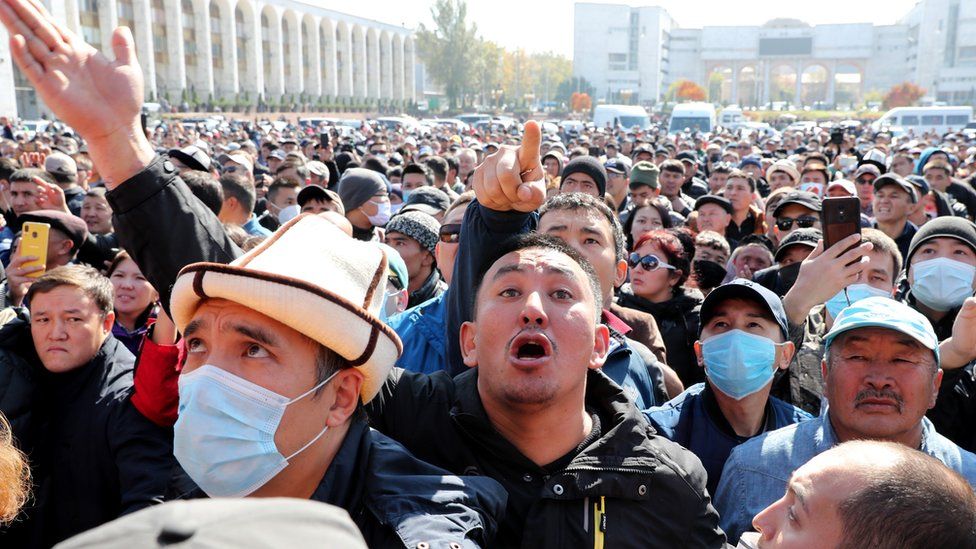
The streets of Bishkek, Kyrgyzstan’s capital, were alive with a symphony of voices and vibrations. Whistles pierced the air as protesters, young and old, converged in solidarity. Flags fluttered, not just of their nation, but symbols of unity and resistance. The energy was electric—a testament to the power of collective action.
A Nation’s History of Uprisings
Kyrgyzstan has long been a cauldron of discontent, boiling over periodically against systemic inequities. From the early 2000s, the country has witnessed several mass movements challenging entrenched political powers. These uprisings have often been driven by frustrations with corruption, economic disparities, and the centralization of power.
Current Protests: A Cry for Justice
The recent wave of protests is rooted in a confluence of grievances. Economic hardship, exacerbated by global crises, has pushed many to the brink. Allegations of government mishandling of resources and suppression of dissent have fueled anger. Protesters demand accountability, justice, and a more equitable future.
The Role of Social Media
In the digital age, Kyrgyzstan’s protests have found a amplify voice through social media. Platforms like Telegram and Twitter have become hubs for organizing, sharing information, and mobilizing support. This digital activism mirrors global trends, where technology becomes both a tool of empowerment and a battleground for control.
Challenges to Systemic Change
Protesters face formidable odds. The government’s response has included restrictions on internet access and arrests of activists, tactics familiar in the suppression of dissent. International observers have noted these actions, underscoring the need for global solidarity with grassroots movements.
Broader Implications: Lessons from Kyrgyzstan
The struggle in Kyrgyzstan offers insights into the complexities of systemic change. It highlights the importance of sustained, inclusive movements and the role of international support. The resilience of its people serves as a reminder that democracy is not merely a state but a living, breathing organism fed by collective action.
Conclusion: Hope in Resistance
As the protests continue, Kyrgyzstan stands at a crossroads. The outcome will determine whether systemic change can triumph over entrenched power structures. While challenges are immense, the spirit of the protesters inspires hope—a testament to the enduring belief that justice and equity are worth fighting for.
About the Author:
Emily Zhang is Health Editor at our publication. Data journalist with a focus on global health and infectious diseases. Her work uses data to tell stories about public health challenges around the world.
 Bilingual journalist covering Middle Eastern politics and culture. Her reporting bridges the gap between local traditions and global trends, offering unique insights.
 Award-winning reporter specializing in climate change and environmental policy. His work has taken him from the Amazon rainforest to polar regions, documenting the human impact of global warming.
 Veteran journalist with over 15 years of experience leading international news operations. Known for her visionary approach to storytelling and editorial strategy, Jane has guided award-winning investigations across continents.
 Tech and innovation reporter with a focus on the intersection of technology and society. Her work explores how advancements impact global communities and economies.
 Urban affairs correspondent focusing on the challenges and opportunities of rapid urbanization. His work examines how cities shape and are shaped by global trends.