Denmark’s Bold Leap Into a Cleaner Tomorrow
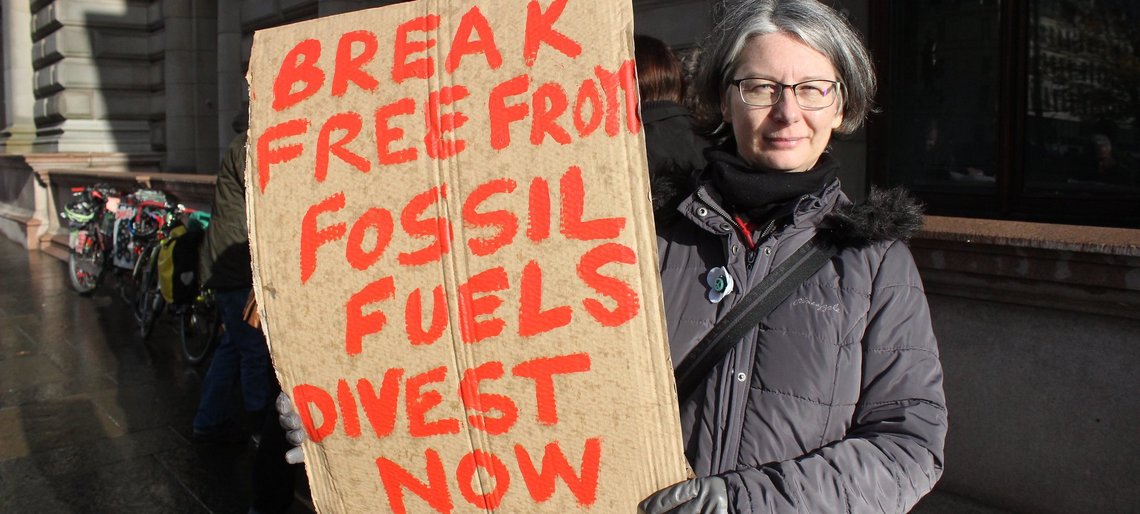
In a land where wind turbines dot the horizon like sentinels of progress, Denmark is leading a quiet revolution. This small Scandinavian nation has dared to envision a future free from fossil fuels, a commitment that has transformed its energy landscape and poised it as a beacon of hope for sustainable living.
Energy Transformation: A Symphony of Renewables
Denmark’s journey began with a bold decision to harness the power of nature. Offshore wind farms in the Baltic Sea, spearheaded by companies like Orsted, have become the backbone of this renewable energy symphony. These vast underwater structures generate enough clean electricity to power hundreds of thousands of homes. Beyond these industrial-scale efforts lie local initiatives, where communities own their wind turbines and district heating networks efficiently utilize excess heat from power plants. Solar panels, both on rooftops and across agricultural lands, further diversify the renewable portfolio. This collective effort has not only reduced carbon emissions but also created a resilient energy ecosystem.
Economic Resilience: Jobs and Innovation
The shift to renewables has been an economic boon. Thousands of jobs have been created in wind energy alone, fostering a new generation of green-collar workers. This transformation hasn’t just benefited the renewable sector; it’s attracted global companies seeking to innovate in sustainable technologies. Denmark’s economy, once reliant on traditional industries, is now thriving with tech startups and international collaborations, ensuring long-term economic security.
Social Justice: Healthier Communities
Cleaner air has been a profound gift to Danish society. Reduced pollution means fewer respiratory illnesses like asthma, particularly benefiting children and the elderly. Lower energy costs due to efficiency measures have made housing more affordable, helping low-income families feel the relief of reduced financial strain. This shift underscores social justice, where sustainability meets equity.
Challenges: A Path Still Under Construction
Despite these strides, Denmark’s journey isn’t without hurdles. Coal and natural gas still play a role, though their use is steadily declining. Managing variable renewable sources requires innovative grid solutions, a challenge being tackled with cutting-edge technology. These obstacles, while significant, are part of the ongoing process of building a sustainable future.
Looking Ahead: Lessons for the World
Denmark’s progress offers valuable lessons for other nations. The transition to renewables demands bold policies, public support, and international collaboration. While challenges remain, Denmark’s example proves that a cleaner, healthier future is attainable. As we look to the horizon, it’s clear that investing in sustainable solutions today paves the way for resilient societies tomorrow.
In this tale of transformation, Denmark isn’t just reducing its carbon footprint—it’s redefining what it means to live in harmony with nature, creating a blueprint for a healthier, more equitable world.
About the Author:
Tom O’Connor is Economy Editor at our publication. Economist turned journalist, Tom specializes in global economic inequality and its impact on social structures. His work is both analytical and deeply human.
 Bilingual journalist covering Middle Eastern politics and culture. Her reporting bridges the gap between local traditions and global trends, offering unique insights.
 Award-winning reporter specializing in climate change and environmental policy. His work has taken him from the Amazon rainforest to polar regions, documenting the human impact of global warming.
 Veteran journalist with over 15 years of experience leading international news operations. Known for her visionary approach to storytelling and editorial strategy, Jane has guided award-winning investigations across continents.
 Tech and innovation reporter with a focus on the intersection of technology and society. Her work explores how advancements impact global communities and economies.
 Urban affairs correspondent focusing on the challenges and opportunities of rapid urbanization. His work examines how cities shape and are shaped by global trends.