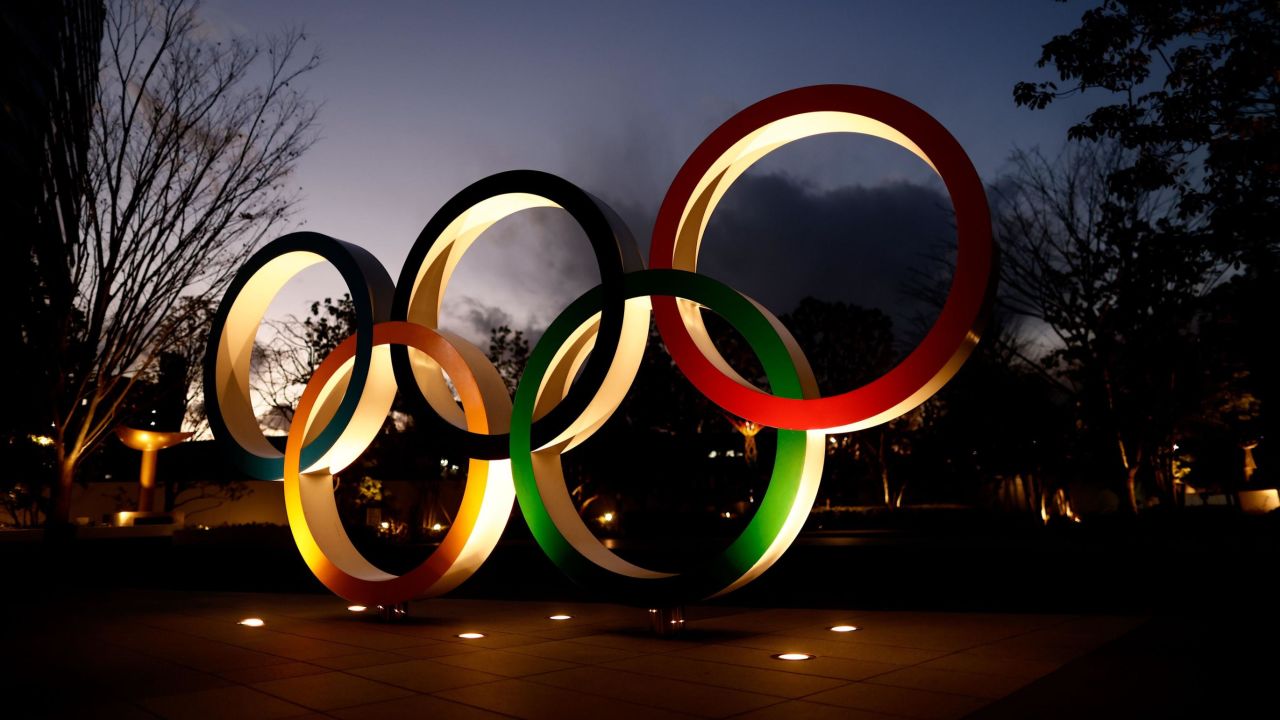
Resilience Over Crisis: Tokyo 2020 organisers push ahead despite COVID surge
In the bustling streets of Tokyo, where neon lights flicker and subways hum with life, the city faced an unprecedented challenge as it hosted the 2020 Olympics amidst a surging COVID-19 pandemic. The event, delayed by a year due to the global health crisis, became a symbol of resilience—a testament to humanity’s determination to move forward despite overwhelming odds.
The Tokyo Organising Committee (TOCO) navigated uncharted waters, balancing public health concerns with the immense logistical and organizational demands of hosting one of the world’s largest sporting events. As cases surged, organizers faced criticism and praise alike for their decision to proceed. The choice was not without controversy, as it raised questions about prioritizing spectacle over safety. Yet, TOCO’s commitment to moving forward underscored a broader narrative of resilience in the face of adversity.
Behind the scenes, however, this resilience came at a cost. Thousands of part-time staff and contractual workers, who form the backbone of such events, bore the brunt of the pandemic’s economic fallout. Many were left with precarious employment, their livelihoods hanging precariously in balance as the world grappled with an unseen crisis. These workers, often from marginalized communities, found themselves at the intersection of economic inequality and public health risks.
The pandemic exposed—and exacerbated—existing inequalities. For these workers, the choice to proceed with the Olympics meant navigating a treacherous path where job security was a luxury, and health risks were an ever-present reality. The TOCO’s decision to push ahead highlighted the tension between economic necessity and human safety, a dilemma that echoes broader societal challenges.
Yet, amidst this struggle, there emerged stories of resilience and solidarity. Workers shared their concerns, advocating for safer working conditions and fairer treatment. Advocacy groups amplified these voices, drawing attention to the often invisible labor force that keeps such global events running. These efforts underscored the importance of recognizing the human cost behind large-scale endeavors and the need for equitable solutions.
The Tokyo 2020 Olympics serve as a mirror, reflecting not just the resilience of a city and its organizers but also the underlying struggles faced by vulnerable populations. As we look forward, the lessons from this event remind us of the need to prioritize social justice and equity, even in times of crisis. The journey through the pandemic is far from over, but it is a call to action for creating more inclusive societies where resilience is not measured at the expense of the most marginalized.
In the end, Tokyo’s story is one of human endurance and the hope that comes from collective effort. It challenges us to rethink how we navigate future crises—balancing ambition with compassion, and ensuring that no one is left behind in our pursuit of progress.
About the Author:
Tom O’Connor is Economy Editor at our publication. Economist turned journalist, Tom specializes in global economic inequality and its impact on social structures. His work is both analytical and deeply human.
 Bilingual journalist covering Middle Eastern politics and culture. Her reporting bridges the gap between local traditions and global trends, offering unique insights.
 Award-winning reporter specializing in climate change and environmental policy. His work has taken him from the Amazon rainforest to polar regions, documenting the human impact of global warming.
 Veteran journalist with over 15 years of experience leading international news operations. Known for her visionary approach to storytelling and editorial strategy, Jane has guided award-winning investigations across continents.
 Tech and innovation reporter with a focus on the intersection of technology and society. Her work explores how advancements impact global communities and economies.
 Urban affairs correspondent focusing on the challenges and opportunities of rapid urbanization. His work examines how cities shape and are shaped by global trends.