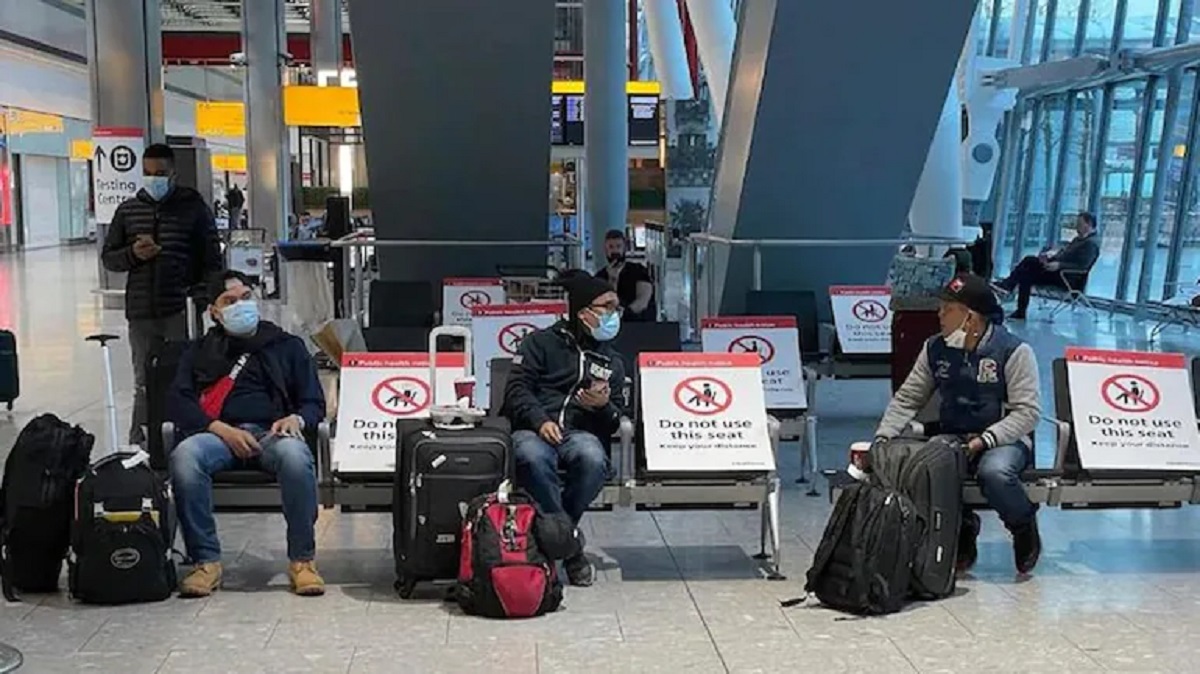
In the quiet hours of dawn, as the mist lingered over the Indian Ocean, a group of Australians found themselves in an unfamiliar predicament. They had fled India during the height of its COVID-19 crisis, seeking refuge from the chaos and desperation that had gripped the country. But when they returned home, they were met not with relief but with an unexpected—and harsh—welcome: arrest.
The story began in early 2021, as the second wave of the pandemic ravaged India. Hospitals overflowed, oxygen supplies dwindled, and cremation pyres burned day and night. Faced with such dire circumstances, some Australians living or working in India decided to leave—a decision many would later describe as a matter of survival. But when they boarded flights back to Australia, they were unprepared for the backlash that awaited them.
Under a controversial policy implemented by the Australian government, anyone who had been in India within 14 days was banned from entering the country. The measure was part of a broader effort to stem the flow of COVID-19 variants, but it came at a steep cost. For those caught in its crosshairs—Indians and Australians alike—it turned what should have been a homecoming into a nightmare.
The policy’s enforcement was relentless. At airports across Australia, returning citizens were met with police officers instead of家人. They were taken into custody, held for days without charge, and forced to endure the indignity of being treated like criminals. The justification offered by officials? “Public health must come first.” But as one legal expert noted, “There’s no crime in seeking safety during a global pandemic.”
The situation quickly became a flashpoint for critics who argued that the policy violated fundamental principles of humanity and compassion. Amid growing public outcry, the government doubled down, framing the measure as a necessary sacrifice in the fight against the virus. Yet for those caught up in its web, the message was clear: your right to return home depends on where you’re coming from.
The case of these Australians reflects a broader trend—one that extends far beyond borders. It is a story of how fear and division can erode the very values a nation claims to uphold. But it is also a reminder of our shared humanity, and the power of solidarity in the face of adversity.
As the world continues to grapple with the long-term impacts of the pandemic, we must ask ourselves: How do we balance public health with human dignity? And what kind of future do we want to build—one where fear dictates our actions, or one where compassion and understanding prevail?
For these Australians, their journey home was not just a test of policy but a testament to the fragility of progress. It is a call to remember that in times of crisis, it is not just individuals who suffer, but entire communities—and that true strength lies in how we choose to respond.
About the Author:
Hana Kim is Technology Editor at our publication. Tech and innovation reporter with a focus on the intersection of technology and society. Her work explores how advancements impact global communities and economies.
 Bilingual journalist covering Middle Eastern politics and culture. Her reporting bridges the gap between local traditions and global trends, offering unique insights.
 Award-winning reporter specializing in climate change and environmental policy. His work has taken him from the Amazon rainforest to polar regions, documenting the human impact of global warming.
 Veteran journalist with over 15 years of experience leading international news operations. Known for her visionary approach to storytelling and editorial strategy, Jane has guided award-winning investigations across continents.
 Tech and innovation reporter with a focus on the intersection of technology and society. Her work explores how advancements impact global communities and economies.
 Urban affairs correspondent focusing on the challenges and opportunities of rapid urbanization. His work examines how cities shape and are shaped by global trends.