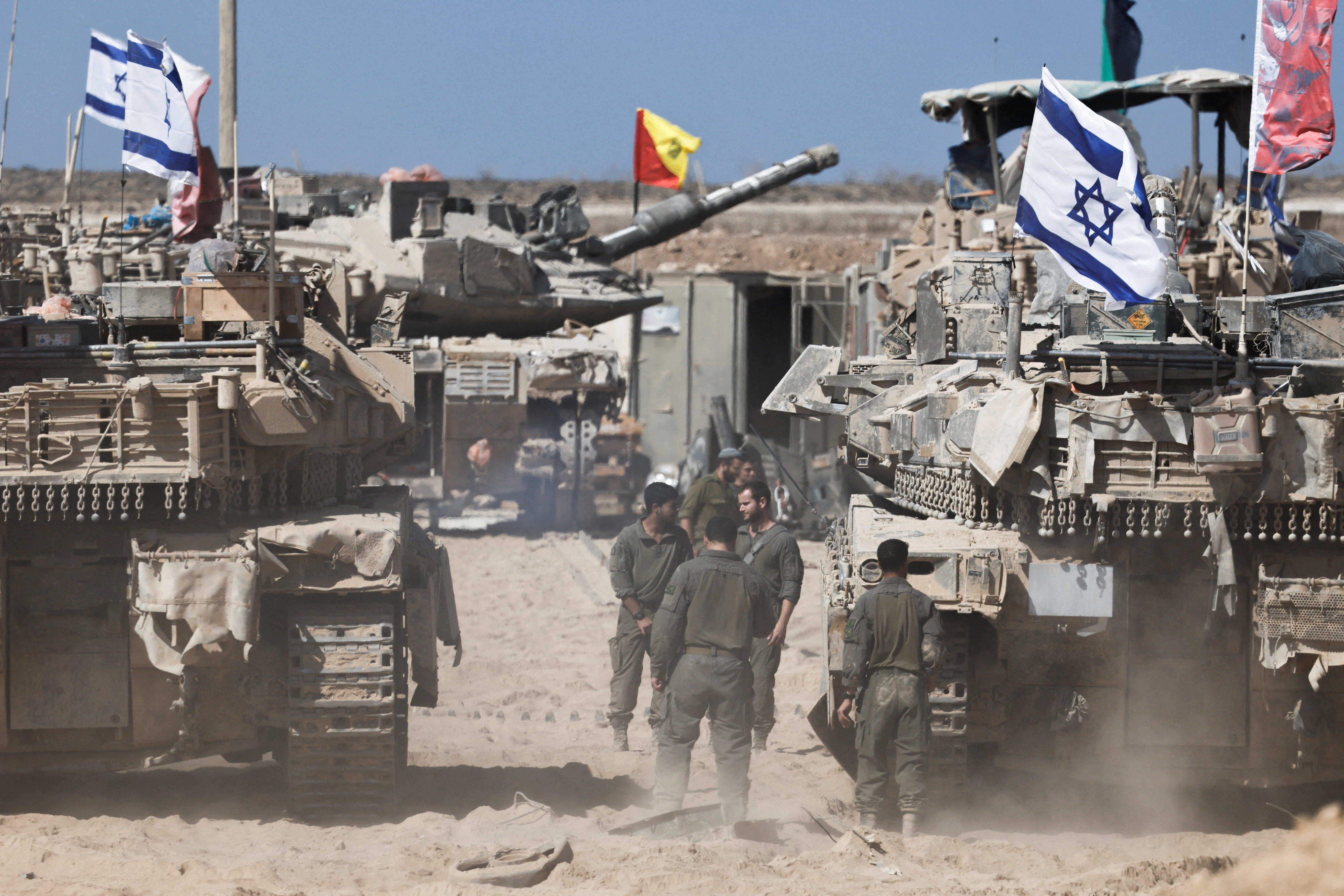
In the heart of Gaza City, where narrow streets are lined with shops selling everything from spices to secondhand electronics, life has long been defined by resilience. But lately, there’s a flicker of hope in the air—a rare sense of optimism among residents who have endured decades of conflict, displacement, and hardship. On a crisp morning earlier this month, as the sun rose over the Mediterranean, a fragile truce between Israel and Hamas went into effect, offering a glimmer of possibility after years of seemingly unending violence.
The agreement, brokered by Egyptian mediators and Qatar’s foreign minister, came after months of intense negotiations and a surge in clashes that had left scores dead on both sides. For many in Gaza, the truce represents more than just a temporary pause in hostilities—it is a lifeline, a chance to breathe without fear of airstrikes or artillery fire tearing through their homes.
Yet, as hope spreads across the strip, the reality remains stark. The decades-long conflict between Israel and Palestine is not easily resolved. The road to peace is fraught with political complexities, deep-seated grievances, and competing narratives that have been shaped by years of war, displacement, and occupation. But for now, the truce offers a fragile window of opportunity—one that could be derailed if either side missteps.
A Truce Born of Desperation
The decision to agree to a truce was not taken lightly by either side. For Hamas, which has governed Gaza since 2007 and faces accusations of corruption and authoritarianism from both international observers and some Palestinians, the deal came after intense pressure from its citizens. Many in Gaza had grown weary of the constant warfare, which had devastated their economy and left nearly two-thirds of the population dependent on humanitarian aid.
In Israel, where political tensions have been running high ahead of elections later this year, Prime Minister Benjamin Netanyahu faced criticism from both his allies and opponents for agreeing to the truce. Some hardliners within his Likud party view any concession to Hamas as a sign of weakness, while others argue that the agreement could bring much-needed stability to the region.
Despite these divisions, both sides appear to recognize the importance of avoiding further escalation. For Israel, continued conflict would mean not only the loss of lives but also the potential for broader international condemnation and economic fallout. For Gaza, the stakes are even higher: years of sanctions and blockades have left its infrastructure in ruin, with nearly half of all public facilities, including schools and hospitals, either damaged or destroyed.
A Glimpse of Normalcy
As the truce took hold, life in Gaza began to shift. Markets that had been eerily quiet during the height of the conflict started to see a trickle of customers. Children who had spent weeks hiding in basements returned to schoolyards, their laughter mingling with the sound of birds chirping. Along the border with Israel, which has seen some of the heaviest fighting, soldiers on both sides stood down, their weapons stowed away for the first time in months.
But the truce is not without its challenges. The agreement includes provisions for prisoner exchanges and humanitarian aid, but implementing these steps will require careful coordination and trust-building between two sides that have long struggled to find common ground. Already, there are signs of strain: accusations from both sides about violations of the deal’s terms, and warnings that any misstep could lead to a rapid collapse of the agreement.
A Broader Struggle for Peace
The truce in Gaza is just one piece of a much larger puzzle. The century-long struggle for peace in the Middle East cannot be reduced to a single agreement or a handful of diplomatic steps. It is a fight that involves not just Israel and Palestine, but also the broader international community— nations, organizations, and individuals who have a stake in ensuring a stable and peaceful future for the region.
For progressives, this moment offers an opportunity to reassert the importance of diplomacy over militarism, and to push for solutions that prioritize human rights and equity. It is a reminder that peace is not just about big political deals or military withdrawals but also about creating space for dialogue, mutual understanding, and the dignity of everyday people.
The Road Ahead
As the truce continues, the eyes of the world will be on Gaza. Will this fragile agreement hold? Can it serve as a stepping stone toward more comprehensive peace talks? And perhaps most importantly, can it bring real hope—not just for the leaders making deals in far-off capitals but for the ordinary people who have lived through so much suffering?
The answers to these questions are not clear. But one thing is certain: the path to peace will be long and difficult. It will require courage, compromise, and a willingness to confront uncomfortable truths. For those who have been fighting for decades, it may feel like a Sisyphean task—one where progress is hard-won only to risk being lost again.
But in moments of darkness, even the faintest glimmer of hope can be enough to keep going. In Gaza, that light is flickering, and for now, it is shining brighter than it has in years.
About the Author:
Sofia Hassan is Investigative Reporter at our publication. Documentary filmmaker and reporter, Sofia brings a visual storytelling approach to her work on migration and displacement. Her stories have aired on major networks worldwide.
 Bilingual journalist covering Middle Eastern politics and culture. Her reporting bridges the gap between local traditions and global trends, offering unique insights.
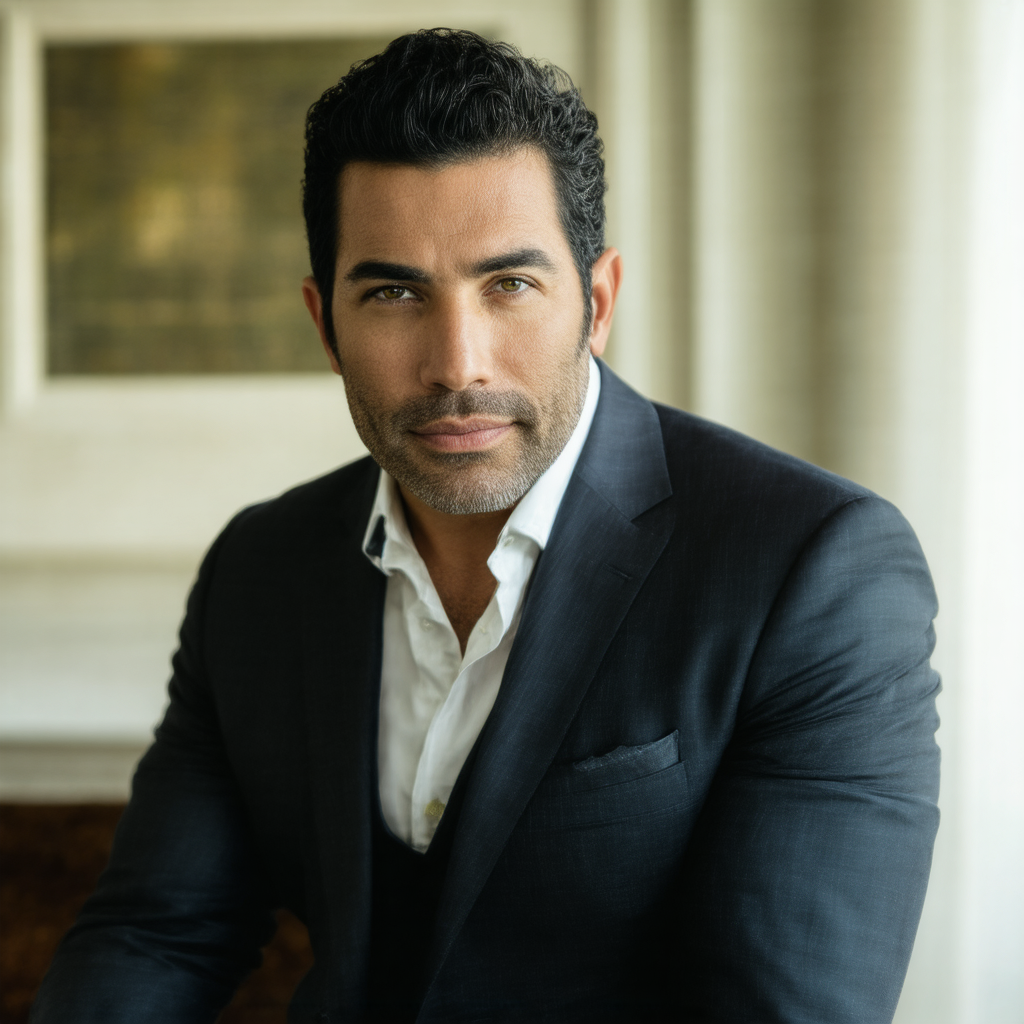 Award-winning reporter specializing in climate change and environmental policy. His work has taken him from the Amazon rainforest to polar regions, documenting the human impact of global warming.
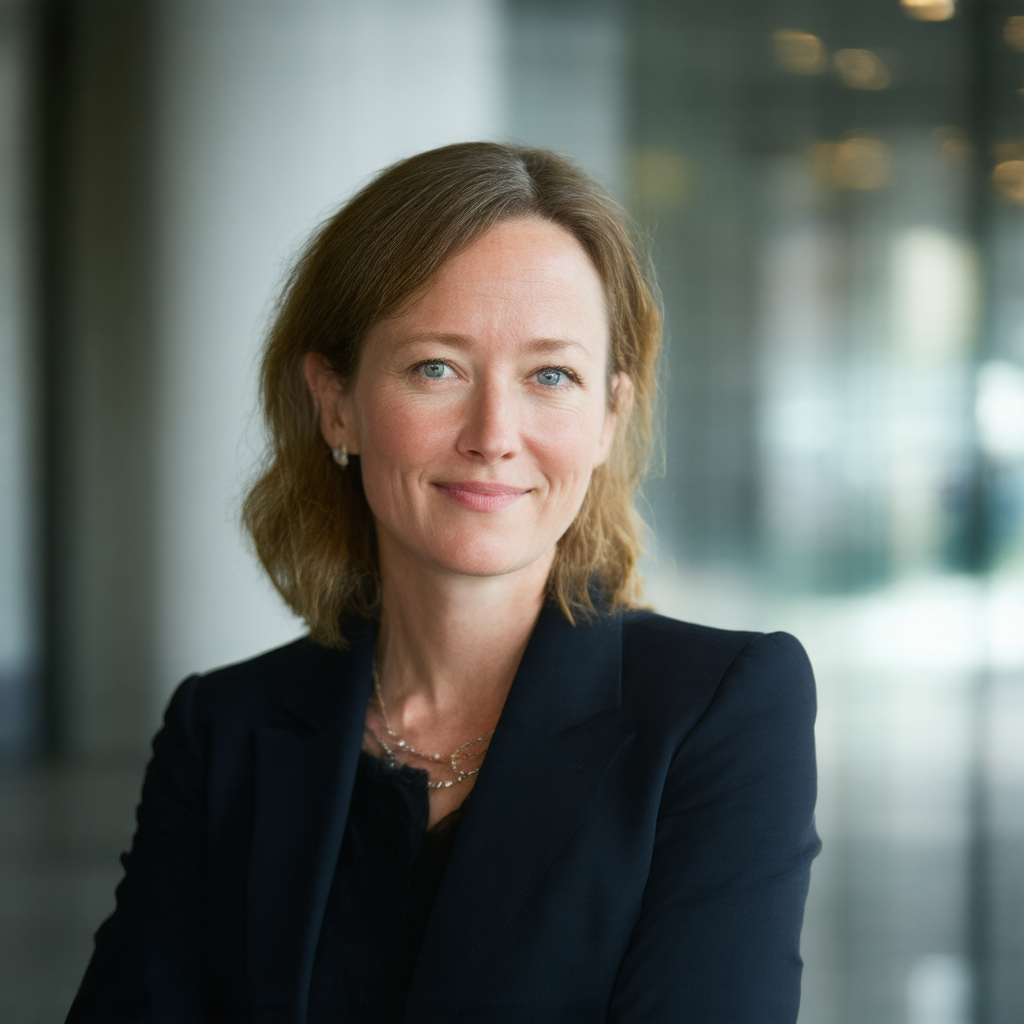 Veteran journalist with over 15 years of experience leading international news operations. Known for her visionary approach to storytelling and editorial strategy, Jane has guided award-winning investigations across continents.
 Tech and innovation reporter with a focus on the intersection of technology and society. Her work explores how advancements impact global communities and economies.
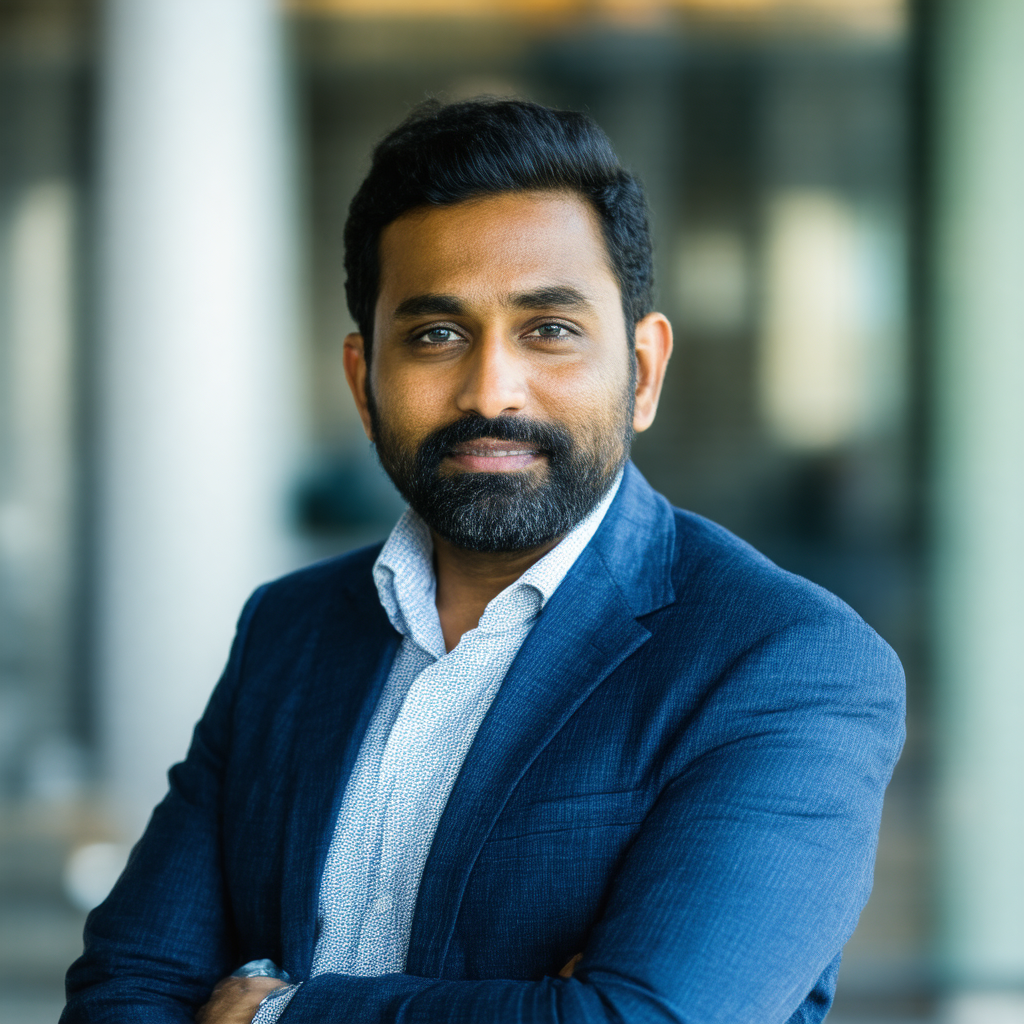 Urban affairs correspondent focusing on the challenges and opportunities of rapid urbanization. His work examines how cities shape and are shaped by global trends.