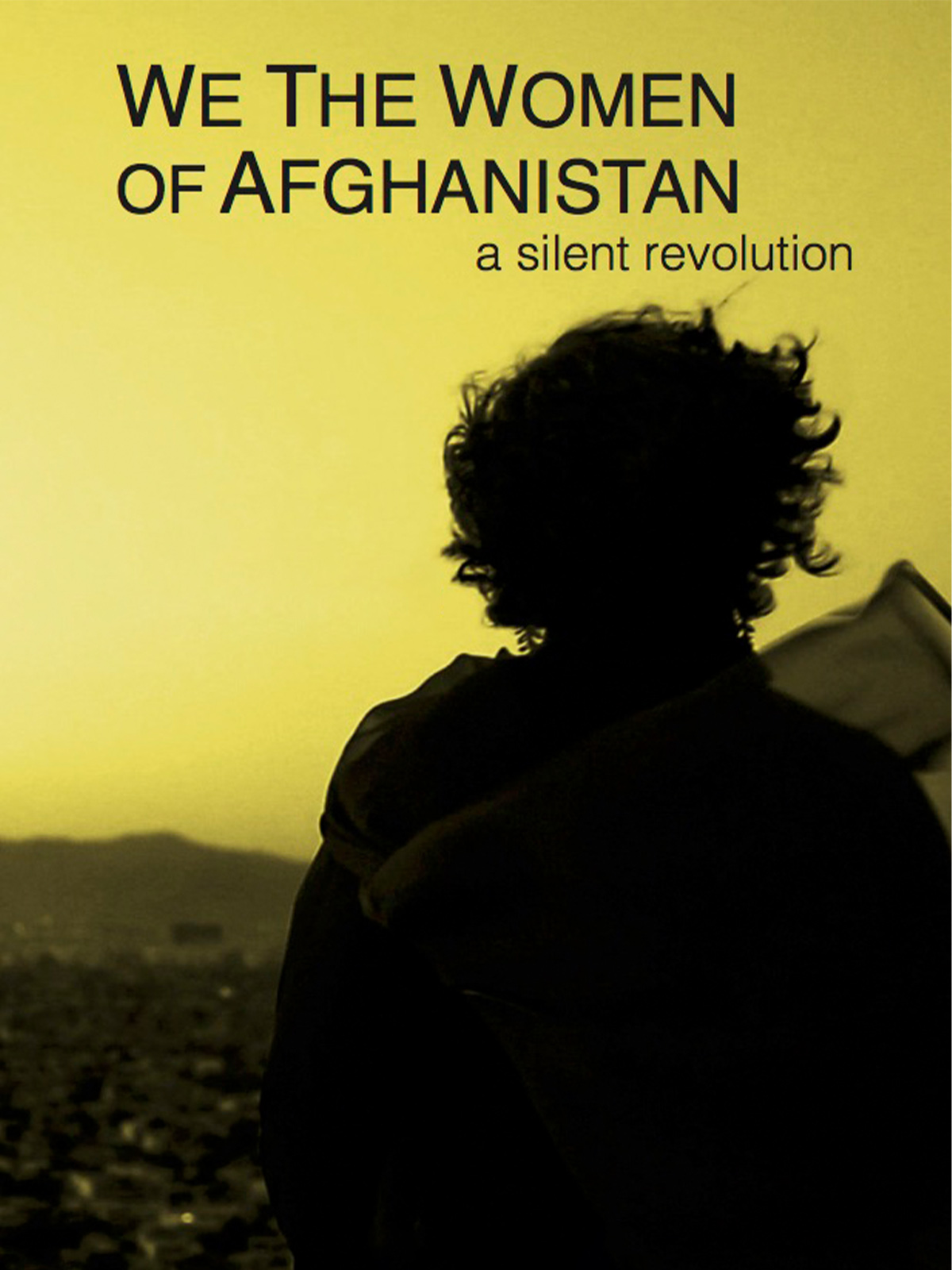
A Quiet Revolution Unfolds: The Resilience of Afghan Women
In the shadow of the Taliban’s resurgence, Afghanistan’s landscape is marked by both repression and resistance. Women, once more visible in public life during the previous regime, now face stringent restrictions on their movements, education, and employment. Yet, amidst these challenges, a quiet revolution is taking shape—a testament to the enduring resilience of Afghan women.
Education as a Tool for Empowerment
Amidst the rubble of bombed schools, a flicker of hope persists. clandestine classes are being held in secret rooms and basements across Kabul. These informal educational hubs, often organized by determined mothers and teachers, provide girls with a chance to learn despite the Taliban’s ban on female education beyond primary school.
In one such class, a young girl named Fatima, 14, whispers her aspirations through trembling lips. “I want to be a doctor,” she says, her eyes gleaming with determination. Her voice is a beacon of hope in a world that increasingly silences it. These underground schools are not just about education; they’re about reclaiming a future.
Workplace Struggles and Gains
In the bustling streets of Kabul’s bazaars, women like Zainab, 25, navigate a treacherous terrain. Working as a vendor selling Afghan rugs, she defies societal norms by supporting her family. “I have to provide for my children,” she says with stoic resolve. Her presence in the market is a quiet act of rebellion, challenging the Taliban’s narrative that confines women to their homes.
While employment opportunities are scarce and often perilous, stories like Zainab’s highlight the determination of Afghan women to assert their rights. Their labor contributes to the economy, weaving threads of resilience into the fabric of Afghan society.
Cultural Resistance: A Symphony of Defiance
In a world where art is increasingly censored, Afghan women are finding innovative ways to express themselves. The Taliban’s ban on music and dance has not silenced all voices. In secret gatherings, women sing traditional songs, their melodies a subtle defiance against oppression.
One such gathering in Herat sees a group of women performing a traditional dance under the cover of darkness. Their movements, though muted, are a powerful assertion of cultural identity. Art, in its many forms, becomes a weapon of resistance, preserving heritage and fostering unity.
Political Advocacy: Shaping a New Future
In the realm of politics, Afghan women are carving out spaces where they once were excluded. Despite Taliban restrictions, women’s rights organizations continue to operate clandestinely, advocating for gender equality and justice.
Rahila, 30, a vocal advocate for women’s rights, speaks with unwavering conviction. “We will not be silenced,” she declares. Her organization works tirelessly to protect women’s rights, even as they face constant threats. Their efforts are a beacon of hope, proving that political advocacy can thrive even under the most oppressive regimes.
Conclusion: A Revolution in Quiet
The quiet revolution unfolding in Afghanistan is a testament to the indomitable spirit of its women. Through education, work, culture, and politics, they are rewriting their narrative, one small act of resistance at a time. Their struggle is not just for themselves but for future generations, ensuring that their voices will echo long after the silence imposed by oppression.
This revolution, though silent, is no less powerful. It is a reminder that even in the darkest of times, hope can be found in the resilience of the human spirit and the unyielding pursuit of justice.
About the Author:
Aisha Malik is Middle East Bureau Chief at our publication. Bilingual journalist covering Middle Eastern politics and culture. Her reporting bridges the gap between local traditions and global trends, offering unique insights.
 Bilingual journalist covering Middle Eastern politics and culture. Her reporting bridges the gap between local traditions and global trends, offering unique insights.
 Award-winning reporter specializing in climate change and environmental policy. His work has taken him from the Amazon rainforest to polar regions, documenting the human impact of global warming.
 Veteran journalist with over 15 years of experience leading international news operations. Known for her visionary approach to storytelling and editorial strategy, Jane has guided award-winning investigations across continents.
 Tech and innovation reporter with a focus on the intersection of technology and society. Her work explores how advancements impact global communities and economies.
 Urban affairs correspondent focusing on the challenges and opportunities of rapid urbanization. His work examines how cities shape and are shaped by global trends.