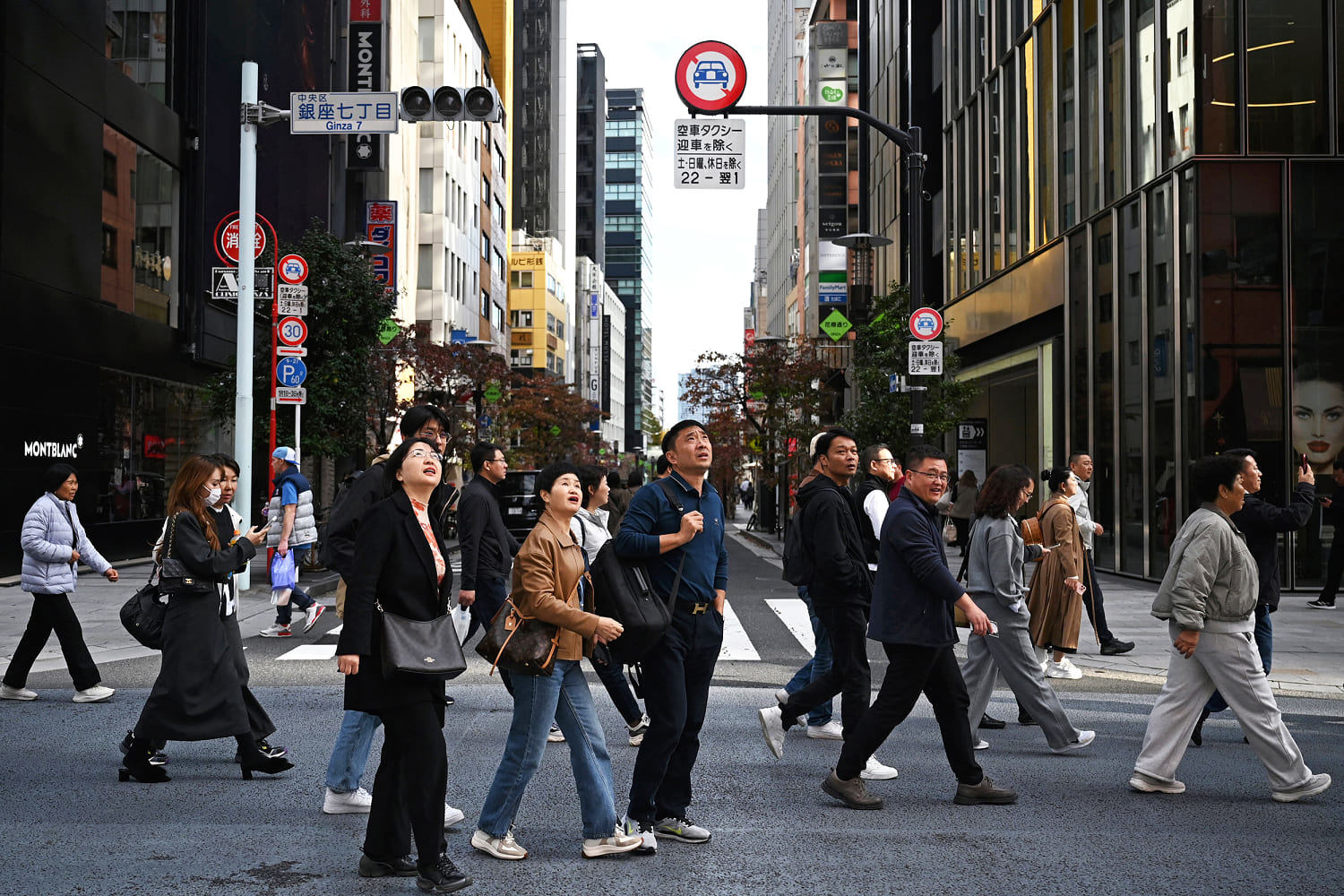
Taiwan on Edge Amid Escalating Threats
Taiwan has long been a flashpoint in global politics, its delicate status straddling the line between democracy and authoritarianism. As tensions between China and the United States escalate, the island finds itself increasingly isolated, its people bracing for potential fallout that could alter their way of life forever.
A Fragile Balance: Public Health Under Siege
The COVID-19 pandemic has only heightened the sense of vulnerability in Taiwan. Once a model of pandemic response, the island now grapples with limited vaccine supplies and strained healthcare systems. The lack of international recognition complicates matters further, leaving Taiwan on the margins of global health initiatives.
Dr. Lin Hsiao-ling, a public health expert at Taipei Medical University, describes the situation as “a perfect storm.” “We’re not just fighting a virus,” she says. “We’re also battling political neglect and economic uncertainty.” As China continues to push for “One Country, Two Systems,” Taiwanese officials worry that any misstep could trigger a broader crisis.
Economic Struggles: The Weight of Sanctions
The economic toll on Taiwan is severe. As global supply chains shift under pressure from Beijing’s policies, Taiwanese businesses face dwindling exports and shrinking markets. Factories that once thrived in the semiconductor industry now operate at reduced capacity, their workers feeling the pinch of layoffs and reduced hours.
Labor advocates are sounding the alarm. “This isn’t just about economics,” says Chen Wei-jen, a labor rights activist. “It’s about human dignity. When factories shut down, families lose their livelihoods, and the social fabric frays.” The struggle is not just economic but deeply personal, as Taiwanese workers wonder whether their contributions to global technology will be enough to secure their future.
Social Movements: Grassroots Resistance
Amid the chaos, Taiwan’s civil society remains a beacon of hope. Activists are mobilizing in unprecedented numbers, organizing protests and advocacy campaigns to demand greater international visibility. The #StandWithTaiwan movement has gone viral on social media, with supporters worldwide amplifying the message of solidarity.
“We’re not asking for much,” says Hsu Chia-ying, a student leader and vocal advocate for Taiwan’s independence. “We just want the right to determine our own future.” These voices are growing louder, even as political leaders in Taipei and Washington navigate a treacherous diplomatic landscape.
Looking Ahead: A Call for Global Solidarity
The stakes could not be higher. For Taiwan, this is about more than territory—it’s about democracy itself. As the world watches, the island’s story serves as a reminder of the fragility of freedom in an increasingly divided world.
Progressives must stand with Taiwan, advocating for its inclusion in international forums and supporting efforts to protect human rights. The lessons from Taiwan’s experience are clear: when authoritarianism threatens democratic values, it is not just one region that suffers—it is humanity as a whole.
About the Author:
Emily Zhang is Health Editor at our publication. Data journalist with a focus on global health and infectious diseases. Her work uses data to tell stories about public health challenges around the world.
 Bilingual journalist covering Middle Eastern politics and culture. Her reporting bridges the gap between local traditions and global trends, offering unique insights.
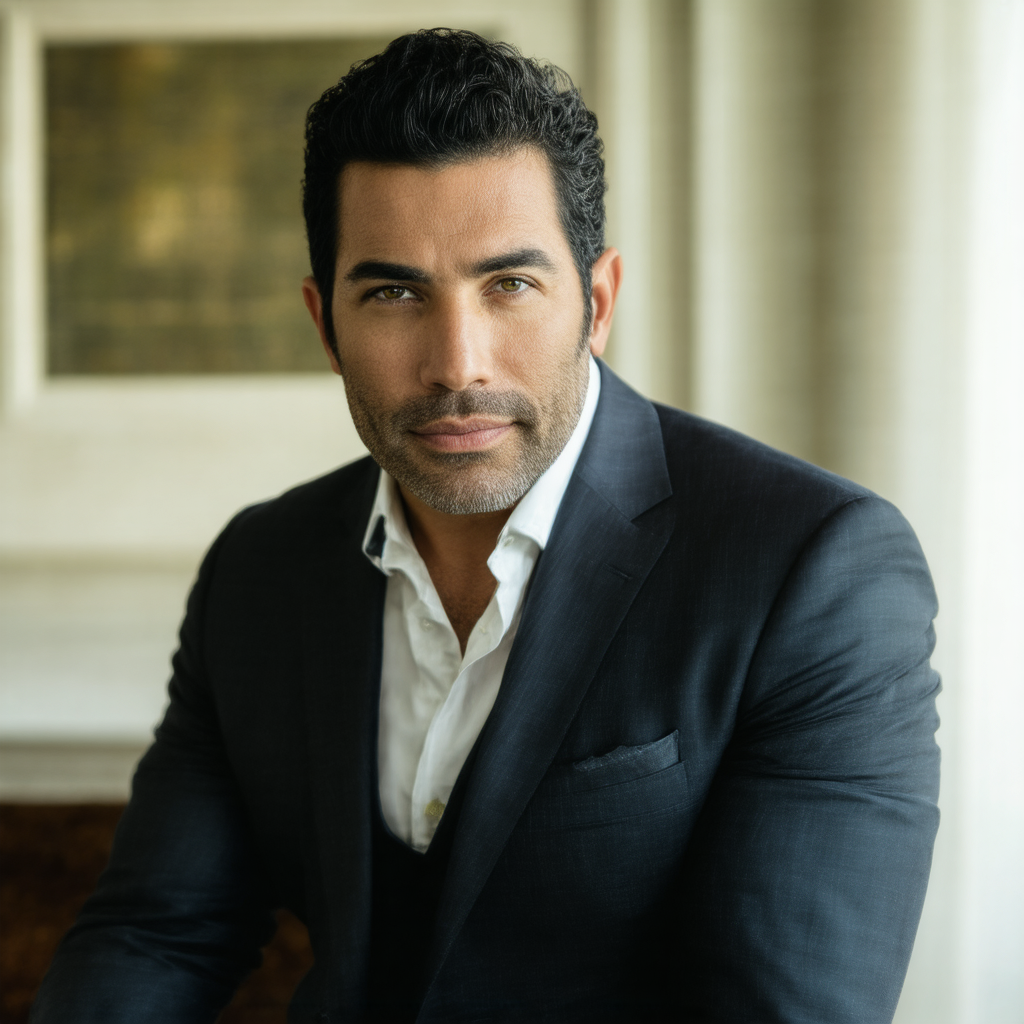 Award-winning reporter specializing in climate change and environmental policy. His work has taken him from the Amazon rainforest to polar regions, documenting the human impact of global warming.
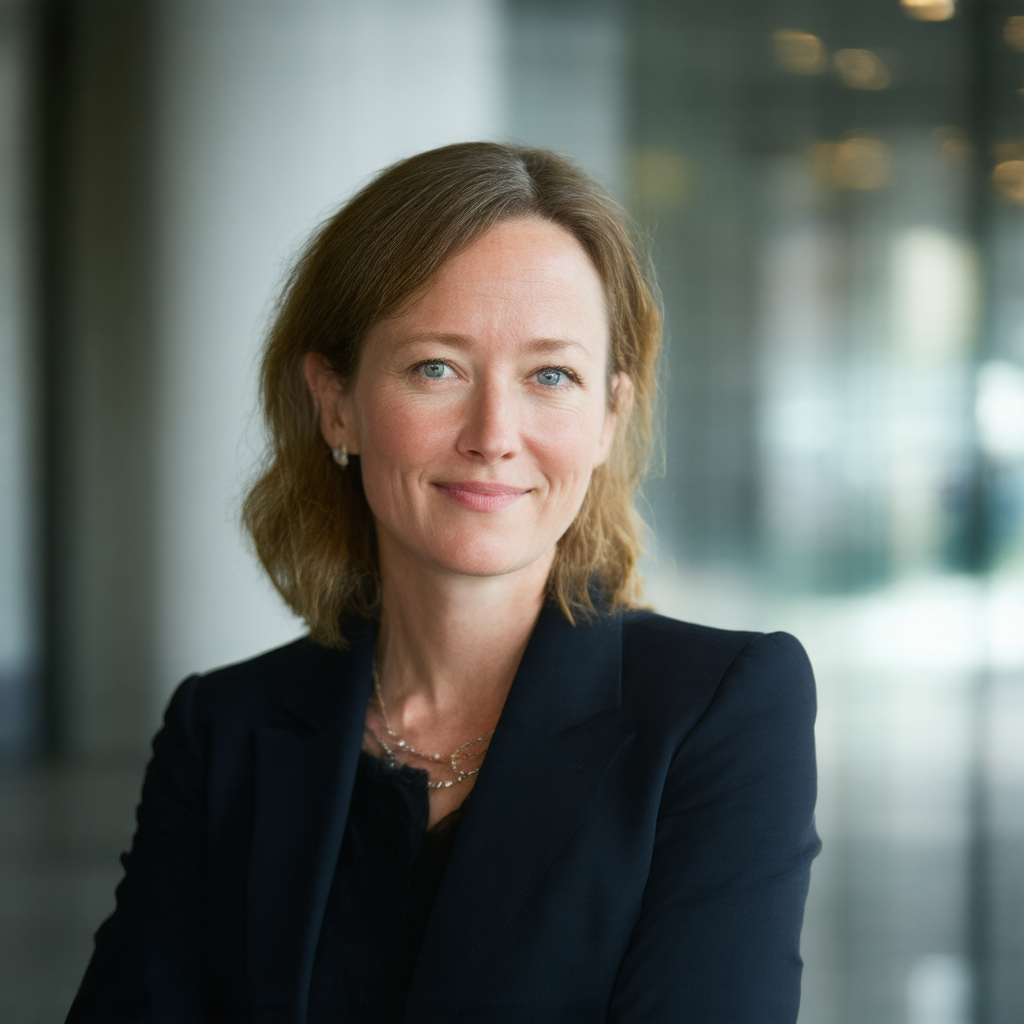 Veteran journalist with over 15 years of experience leading international news operations. Known for her visionary approach to storytelling and editorial strategy, Jane has guided award-winning investigations across continents.
 Tech and innovation reporter with a focus on the intersection of technology and society. Her work explores how advancements impact global communities and economies.
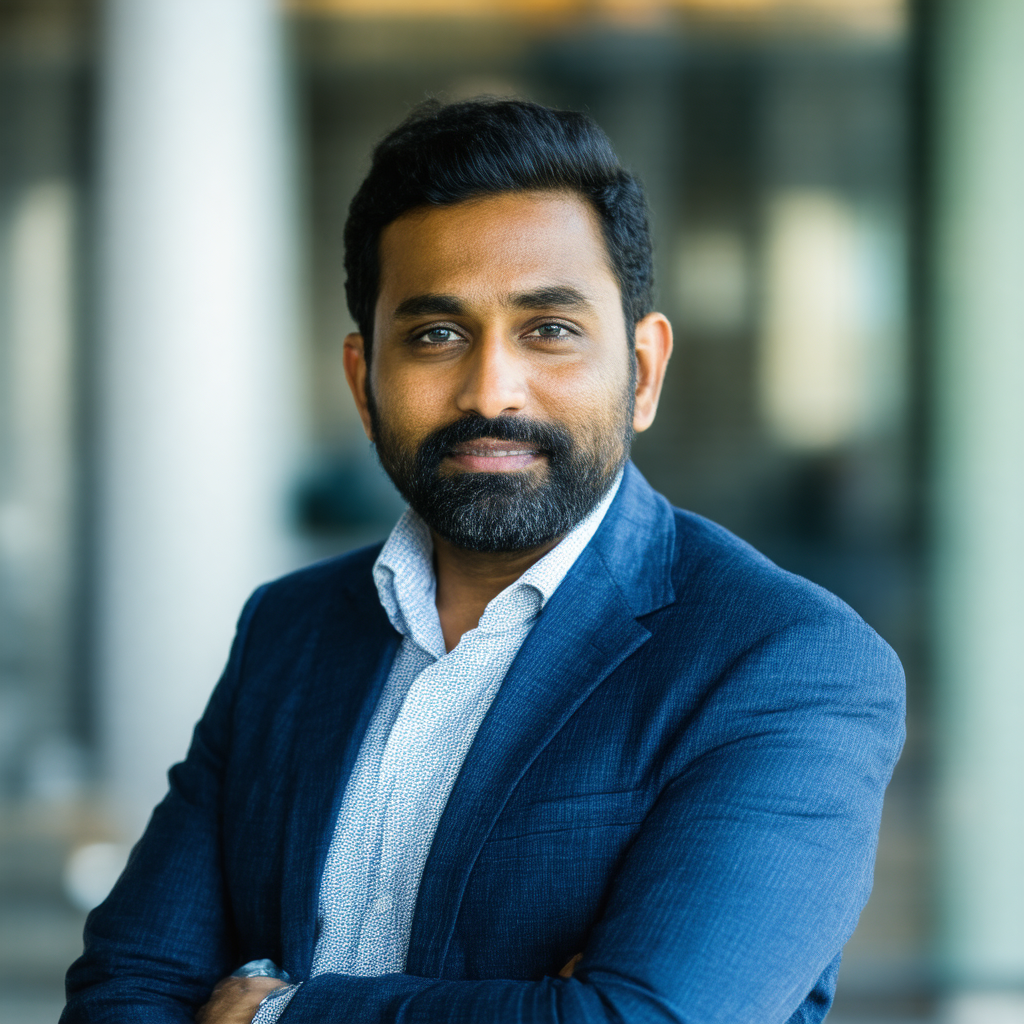 Urban affairs correspondent focusing on the challenges and opportunities of rapid urbanization. His work examines how cities shape and are shaped by global trends.