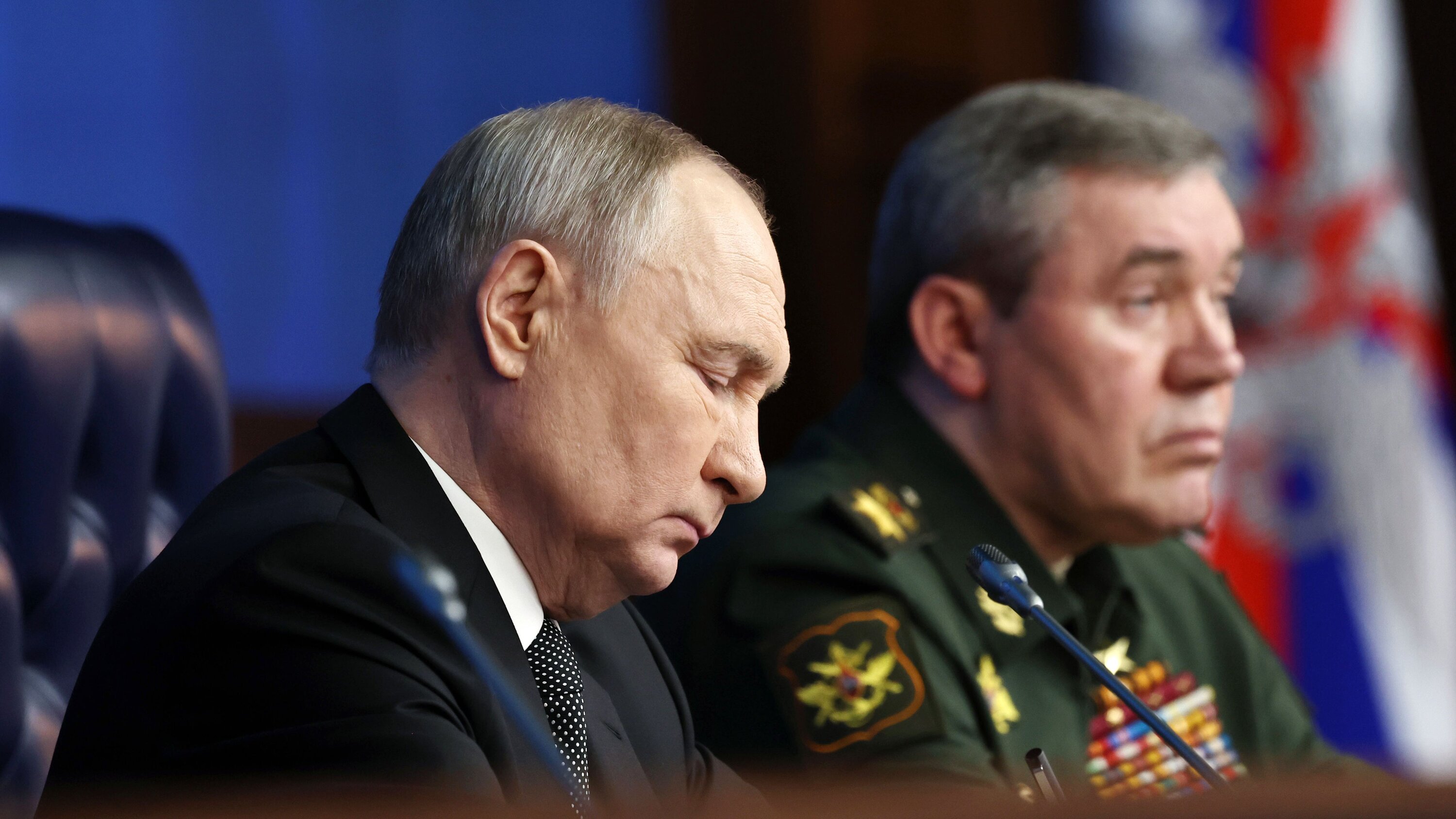
The silence at COP26 was deafening—not just the absence of progress on binding agreements, but the eerie stillness that followed Russia’s withdrawal from the climate talks. While world leaders scrambled to salvage what little they could from the summit, one voice went unheard: Vladimir Putin. His silence wasn’t accidental; it was a stark reminder of the systemic failures that continue to undermine global efforts to address the climate crisis.
Putin’s absence was more than just a diplomatic snub. It underscored the deep-seated inequalities and power imbalances that define international climate negotiations. Russia, a major emitter of greenhouse gases, chose to prioritize its economic interests over global cooperation, leaving a gaping hole in the already fragile architecture of climate action. But Putin’s silence wasn’t unique—it reflected a broader failure of leadership and systemic inequities that have long plagued the global response to climate change.
The conference halls of COP26 were filled with delegates from nations large and small, rich and poor. Yet, the outcome was shaped by those who held the most power—and the least accountability. Wealthy nations like the United States, the European Union, and China continue to dominate the agenda, often at the expense of smaller, more vulnerable countries. This imbalance is not just a matter of political influence; it’s a reflection of the broader economic disparities that fuel the climate crisis.
In cities across South Asia, Southeast Asia, and the Pacific, the consequences of these failures are starkly visible. Rising sea levels threaten to swallow coastal communities in Bangladesh and India. Heatwaves bake entire regions, pushing vulnerable populations closer to breaking point. And in urban areas like Delhi or Jakarta, air pollution levels remain alarmingly high, exacting a toll on public health and economic productivity.
The systemic failure to address these issues isn’t just about political will; it’s about the way power is structured within global institutions. Developed nations often wield disproportionate influence over international agreements, while developing countries are left to pick up the slack—or face the consequences of inaction. This dynamic is particularly acute when it comes to climate finance, which remains a bone of contention between richer and poorer nations.
But the real cost of these failures isn’t just measured in missed targets or delayed action. It’s felt in the lives of ordinary people—those who are forced to grapple with the day-to-day realities of a changing climate. For urban dwellers in South Asia, this means navigating cities that are increasingly unlivable, from choking smog to inadequate public transportation systems. It means facing rising housing costs and shrinking job opportunities, all while trying to adapt to a rapidly shifting environment.
The systemic failures at COP26 also highlight the urgent need for a more inclusive approach to climate action—one that centers the voices of those most affected by the crisis. This means investing in equitable urban planning, participatory governance, and community-led initiatives that prioritize resilience over profit. It means recognizing that climate change isn’t just an environmental issue; it’s a social justice issue, one that demands radical reforms to address systemic inequities.
As we move forward, the silence of leaders like Putin must serve as a wake-up call—not just for international negotiators, but for all of us who share this planet. The climate crisis doesn’t respect borders or silos; it affects us all, and it requires collective action. The time to act is running out, and the stakes couldn’t be higher.
About the Author:
Ravi Patel is Urban Affairs Editor at our publication. Urban affairs correspondent focusing on the challenges and opportunities of rapid urbanization. His work examines how cities shape and are shaped by global trends.
 Bilingual journalist covering Middle Eastern politics and culture. Her reporting bridges the gap between local traditions and global trends, offering unique insights.
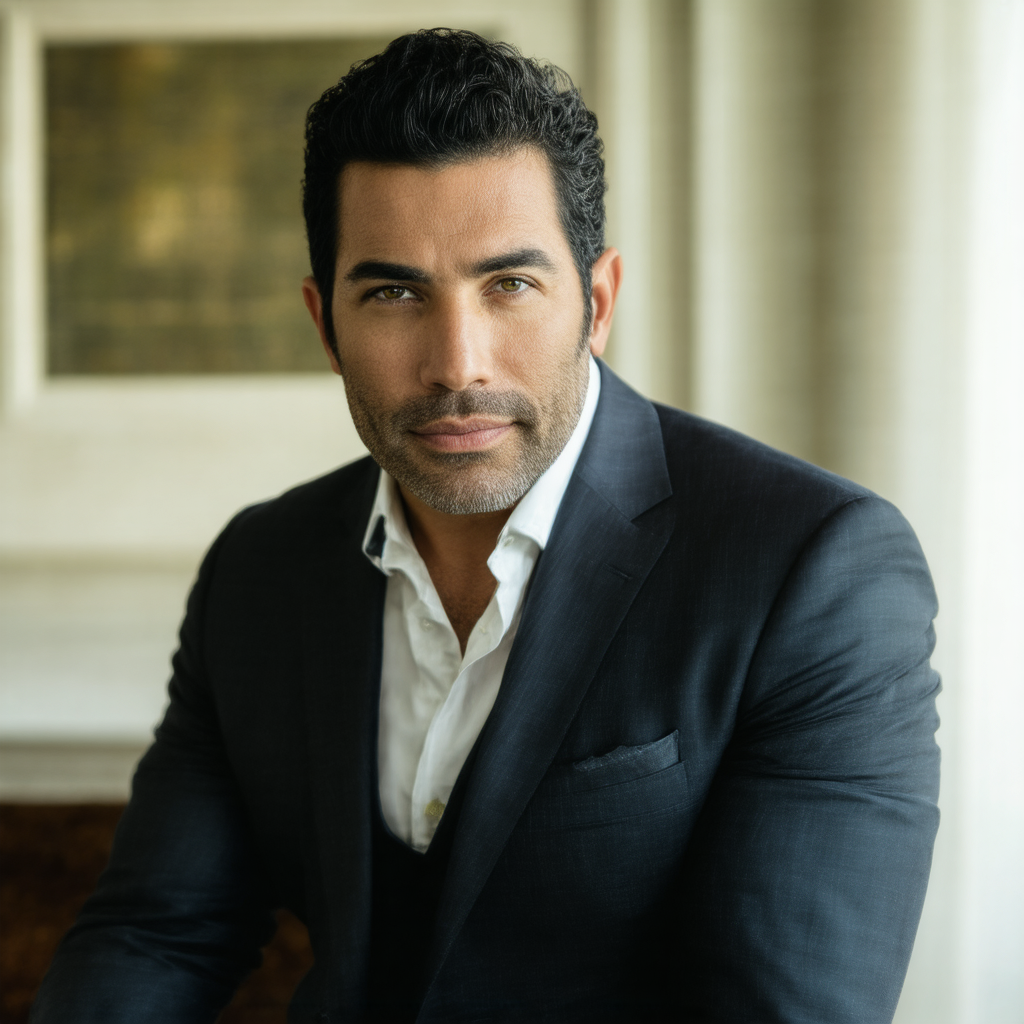 Award-winning reporter specializing in climate change and environmental policy. His work has taken him from the Amazon rainforest to polar regions, documenting the human impact of global warming.
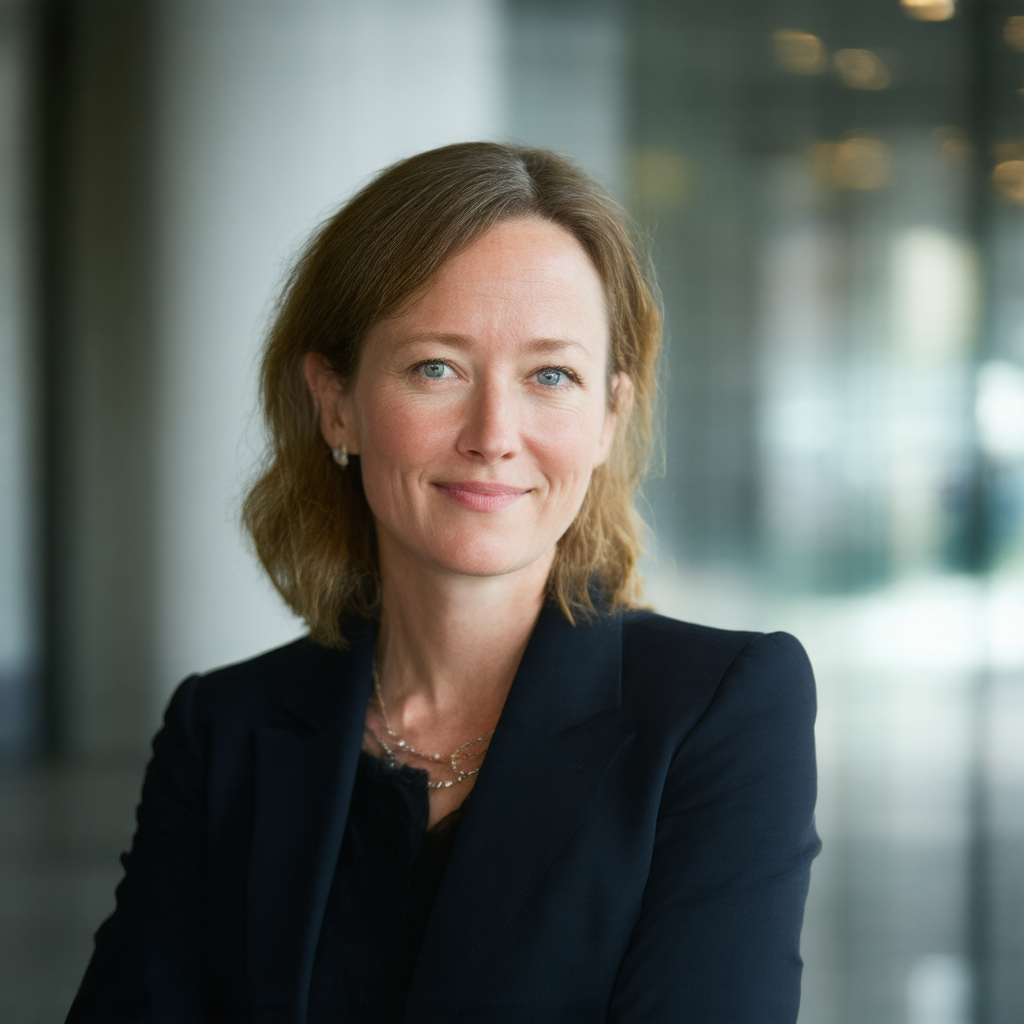 Veteran journalist with over 15 years of experience leading international news operations. Known for her visionary approach to storytelling and editorial strategy, Jane has guided award-winning investigations across continents.
 Tech and innovation reporter with a focus on the intersection of technology and society. Her work explores how advancements impact global communities and economies.
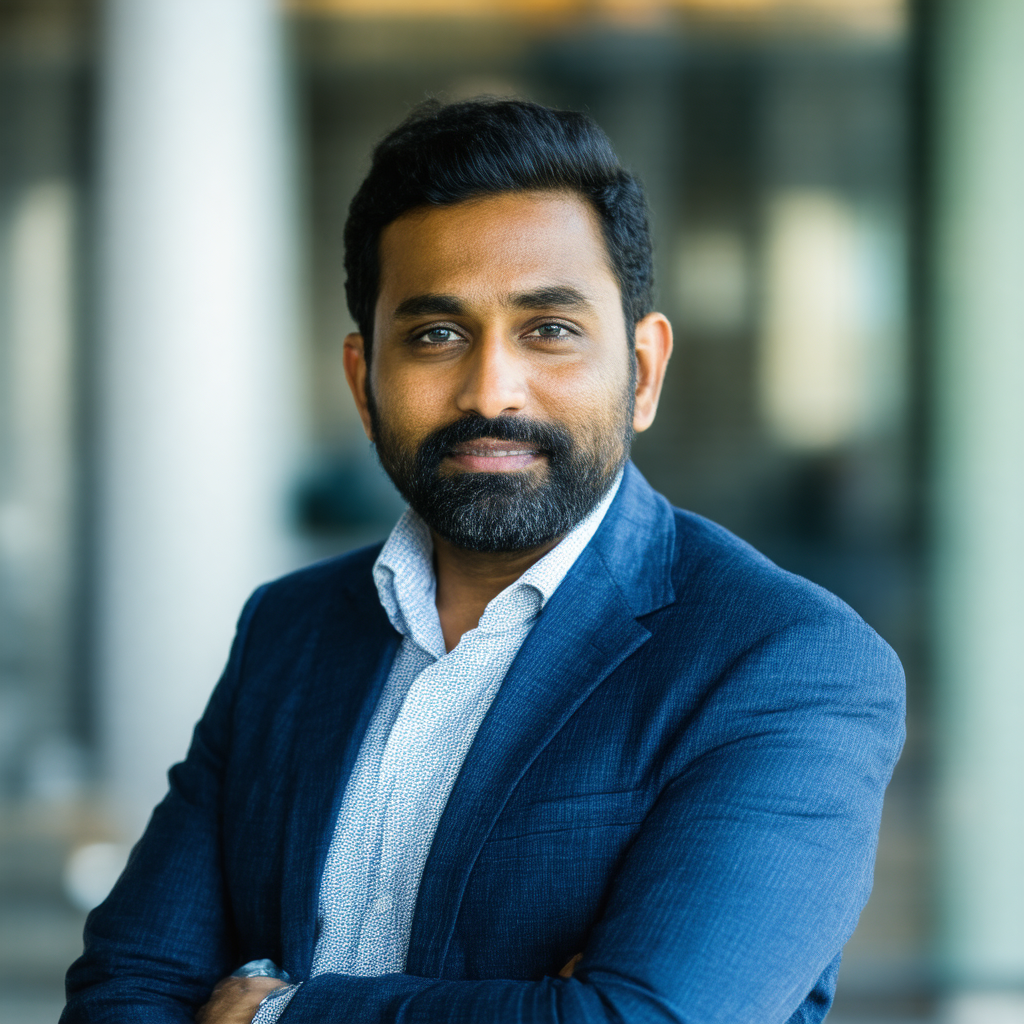 Urban affairs correspondent focusing on the challenges and opportunities of rapid urbanization. His work examines how cities shape and are shaped by global trends.