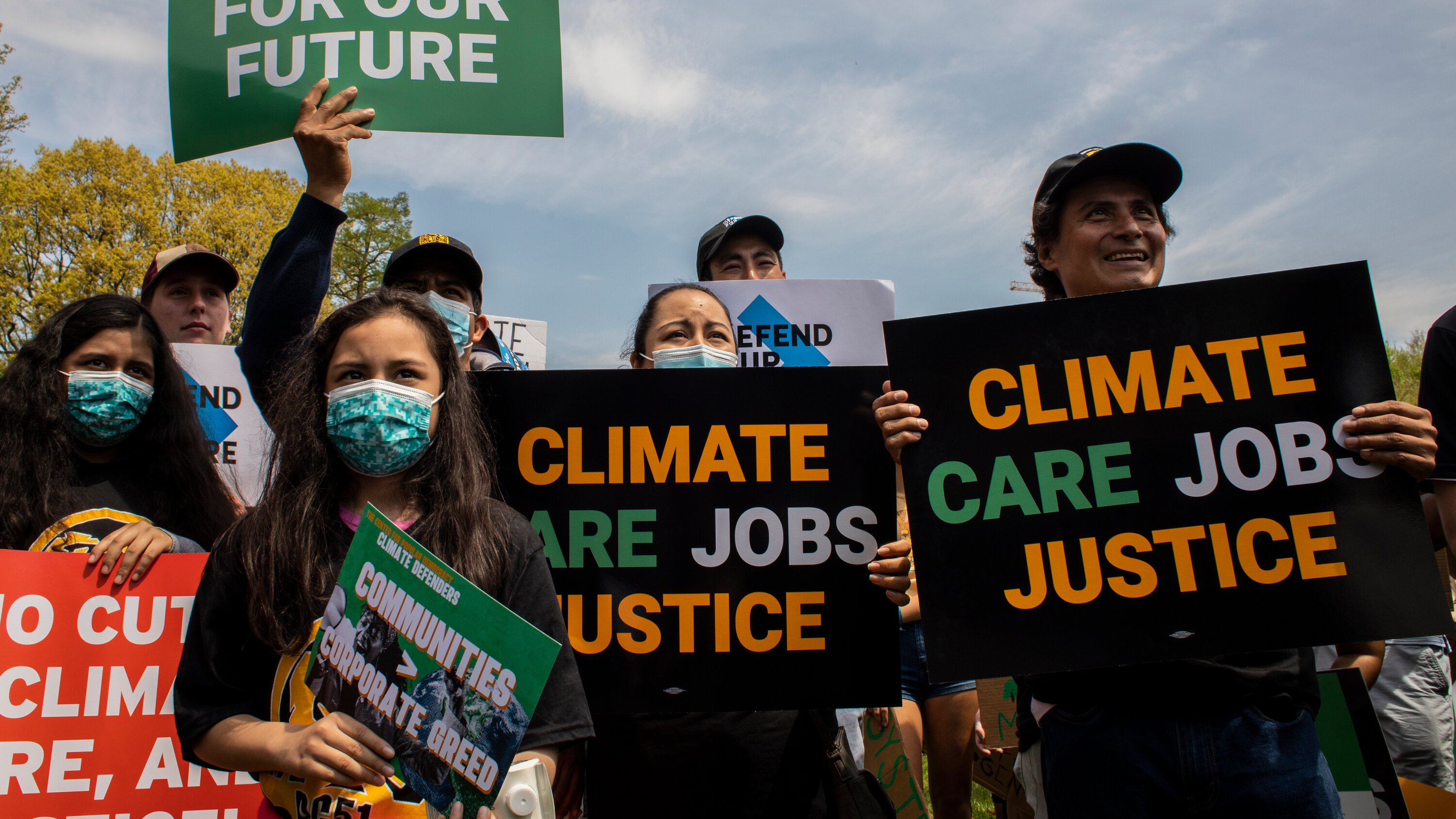
Rallying Against Climate Injustice: 100,000 Strong
The air was thick with determination as hundreds of thousands of voices rose in unison, echoing across the sprawling city square. The rallying cry against climate injustice had reached a fever pitch, a testament to the growing urgency of a crisis that knows no borders. This was not just a protest; it was a declaration of unity—a global movement demanding change.
From the Amazon rainforests to the Arctic tundras, from the Sahel to the streets of major cities, people were gathering, their faces a mosaic of hope and defiance. The message was clear: climate change is not an abstract concept but a lived reality, one that disproportionately affects the poorest and most vulnerable. And yet, these same communities are leading the charge for justice.
In the Amazon, indigenous leaders have long been on the front lines, defending their lands against deforestation and exploitation. They know firsthand the cost of inaction—lost livelihoods, disappearing biodiversity, and the unraveling of centuries-old traditions. Yet despite the odds, they continue to fight. “Our forests are not just resources; they are our homes,” one leader declared at the rally. “We will not be silenced.”
In the Arctic, where ice caps are melting at an alarming rate, Inuit communities face an existential threat. Their ancestral lands, once a source of sustenance and identity, are now transforming into something unrecognizable. “Our people have adapted to this land for thousands of years,” said an elder from Greenland. “But nature is changing faster than we can adapt.” Yet even in the face of such devastation, there is hope. Local leaders are working tirelessly to document their losses, demand accountability, and push for international climate policies that recognize indigenous rights.
The Sahel region, a vast area spanning across Africa, has become a stark example of how climate change exacerbates existing inequalities. Droughts have turned fertile land into dust bowls, forcing millions to migrate in search of food and water. Young activists from Mali and Burkina Faso were among the youngest voices at the rally. “We are the generation that will inherit this broken planet,” one teen said. “But we refuse to accept it as our fate.”
The rally was a powerful reminder that climate justice is not just about science or policy—it’s about people. It’s about standing in solidarity with those whose voices are too often ignored, and whose lives are most affected by the decisions made by distant governments and corporations.
As the crowd dispersed, carrying with them the chants of “Climate Justice Now!” and “System Change Not Climate Change,” there was a renewed sense of hope. The numbers were daunting—100,000 strong—but the movement was growing, not shrinking. And as long as there are communities willing to fight for their future, there is reason to believe that change is possible.
This rally wasn’t just a symbol of resistance; it was a blueprint for what collective action can achieve. It showed that when people come together—across borders, backgrounds, and generations—they can shake the foundations of power and demand a better future. The question now is whether the world’s leaders will listen.
About the Author:
Carlos Rivera is Senior Correspondent at our publication. Award-winning reporter specializing in climate change and environmental policy. His work has taken him from the Amazon rainforest to polar regions, documenting the human impact of global warming.
 Bilingual journalist covering Middle Eastern politics and culture. Her reporting bridges the gap between local traditions and global trends, offering unique insights.
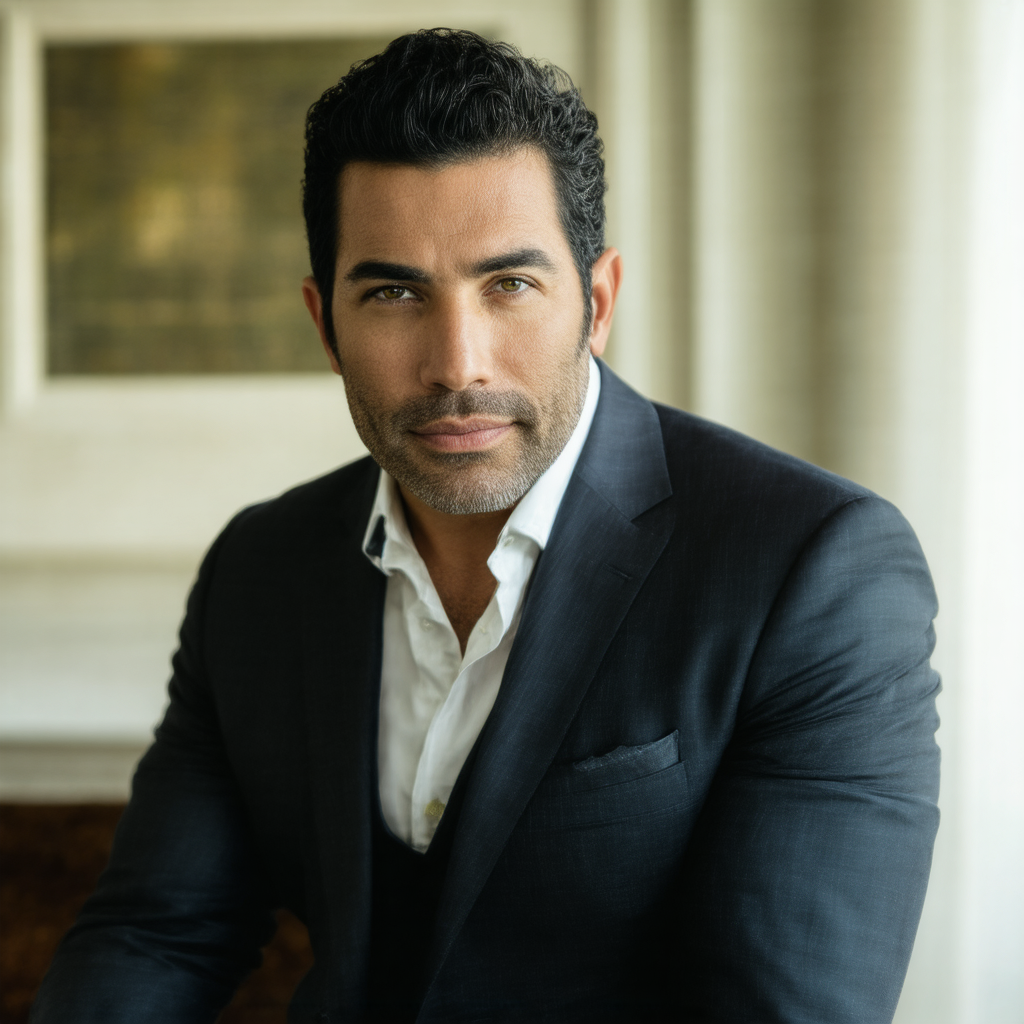 Award-winning reporter specializing in climate change and environmental policy. His work has taken him from the Amazon rainforest to polar regions, documenting the human impact of global warming.
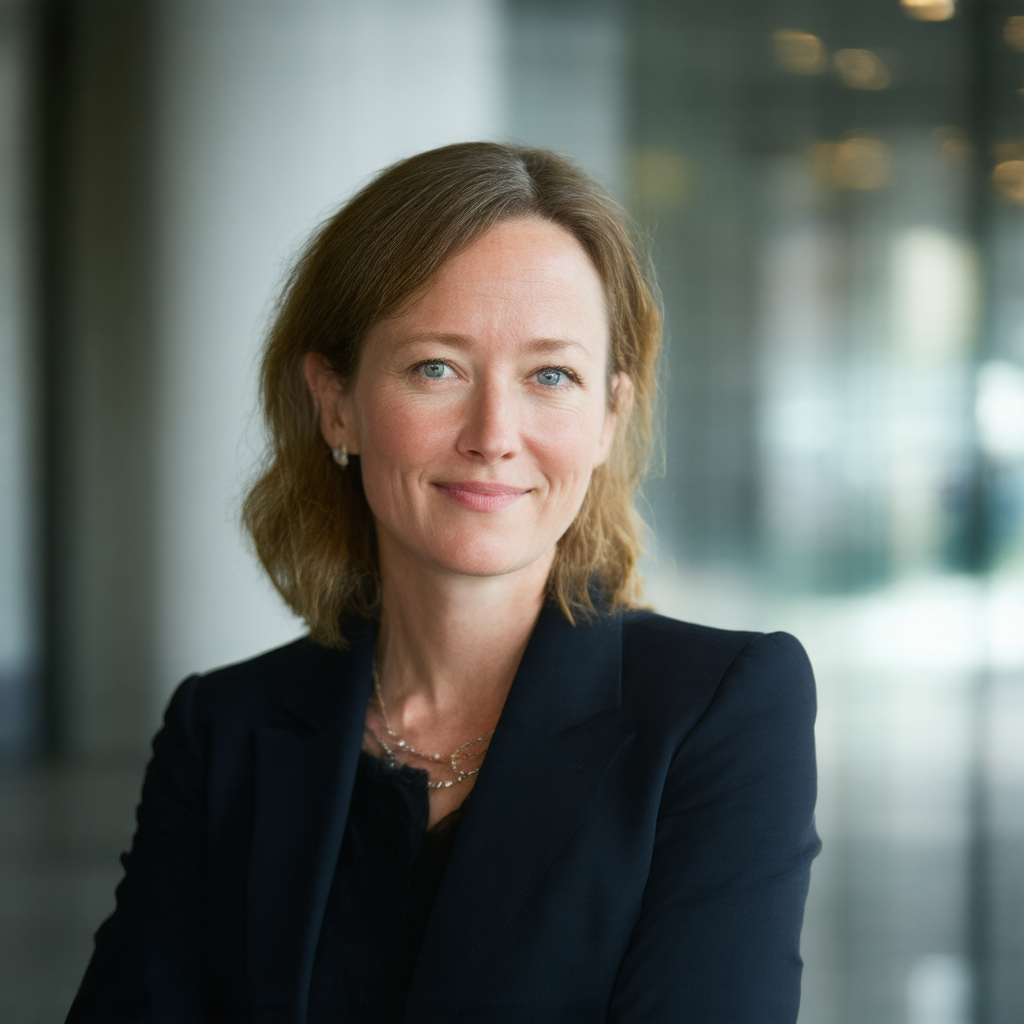 Veteran journalist with over 15 years of experience leading international news operations. Known for her visionary approach to storytelling and editorial strategy, Jane has guided award-winning investigations across continents.
 Tech and innovation reporter with a focus on the intersection of technology and society. Her work explores how advancements impact global communities and economies.
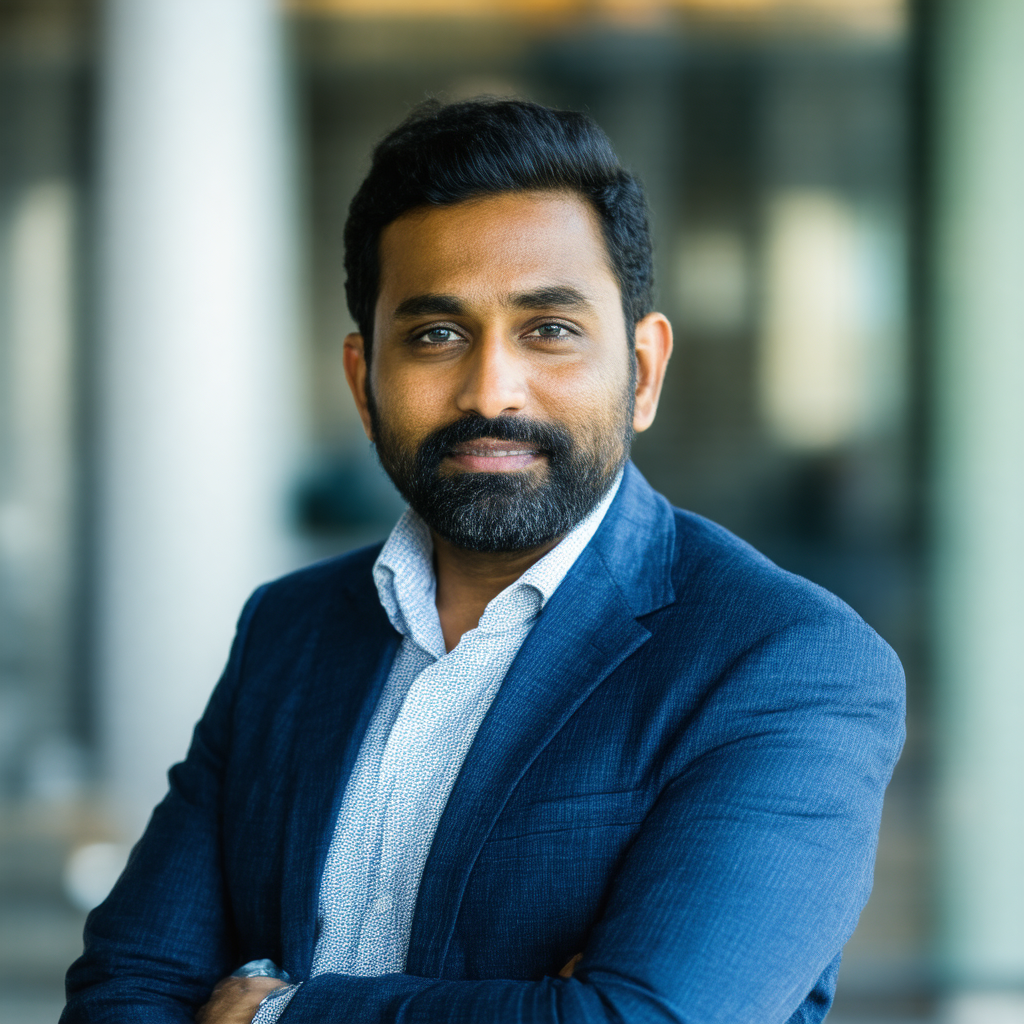 Urban affairs correspondent focusing on the challenges and opportunities of rapid urbanization. His work examines how cities shape and are shaped by global trends.