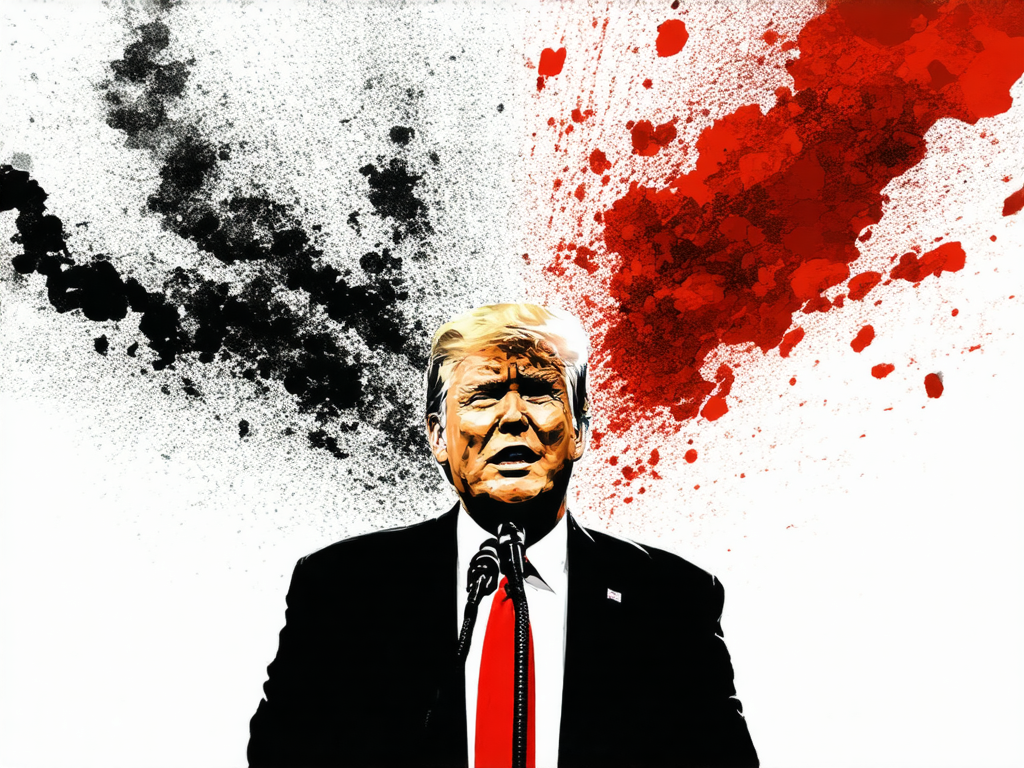
Underlying Tensions Exposed: The Attack on a Far-Right Candidate in Jordan
Amman, Jordan—The quiet streets of Abdoun buzzed with an unusual energy last Friday evening as hundreds gathered under the golden hues of the setting sun. Among them was Jamal al-Hassan, a figure whose presence had sparked both curiosity and contention. A former engineer turned political newcomer, al-Hassan’s rise to prominence was fueled by his rhetoric on heritage and security, positioning him as a far-right candidate in an election season marked by rising tensions.
The rally was a tapestry of emotions—hopeful supporters clutching campaign leaflets, cameras flashing in anticipation, and the ever-present undercurrent of unease. As al-Hassan began his speech, the atmosphere shifted dramatically. A lone figure emerged from the crowd, shouting accusations that echoed through the gathering. Chaos ensued as security scrambled to contain the situation, ending with the attacker detained and al-Hassan shaken but unharmed.
This incident, however, was more than a fleeting moment of violence; it illuminated deeper fractures within Jordan’s political landscape. The far-right’s surge reflects broader regional shifts, where economic anxieties and social dislocations have created fertile ground for ideologies promising order amidst chaos. Al-Hassan’s campaign rhetoric resonated with those yearning for stability, yet his vision of a homogeneous society risks eroding the very pluralism that defines Jordan.
Reactions to the attack were varied. Activists on social media swiftly condemned the violence, emphasizing the importance of peaceful dissent and dialogue. “This attack only serves the interests of those who wish to divide us,” tweeted Rana Abu Baker, a prominent human rights advocate. Meanwhile, opposition leaders called for an impartial investigation, wary of potential political misuse of the incident.
The broader implications are stark. The rise of far-right ideologies in Jordan mirrors global trends, challenging the resilience of democratic norms. This attack underscores the perilous balance between free speech and the protection of vulnerable communities. As one observer noted, “In our pursuit of security, we must not sacrifice the very values that define us.”
In conclusion, the attack on Jamal al-Hassan is a clarion call for reflection. It reminds us of the delicate interplay between tradition and progress, inclusion and exclusion. Amid rising extremism, the path forward lies in fostering unity and resilience—values that uphold democracy and honor our diverse identities. The challenge is clear: to navigate these tensions without losing sight of our shared humanity.
About the Author:
Aisha Malik is Middle East Bureau Chief at our publication. Bilingual journalist covering Middle Eastern politics and culture. Her reporting bridges the gap between local traditions and global trends, offering unique insights.
 Bilingual journalist covering Middle Eastern politics and culture. Her reporting bridges the gap between local traditions and global trends, offering unique insights.
 Award-winning reporter specializing in climate change and environmental policy. His work has taken him from the Amazon rainforest to polar regions, documenting the human impact of global warming.
 Veteran journalist with over 15 years of experience leading international news operations. Known for her visionary approach to storytelling and editorial strategy, Jane has guided award-winning investigations across continents.
 Tech and innovation reporter with a focus on the intersection of technology and society. Her work explores how advancements impact global communities and economies.
 Urban affairs correspondent focusing on the challenges and opportunities of rapid urbanization. His work examines how cities shape and are shaped by global trends.