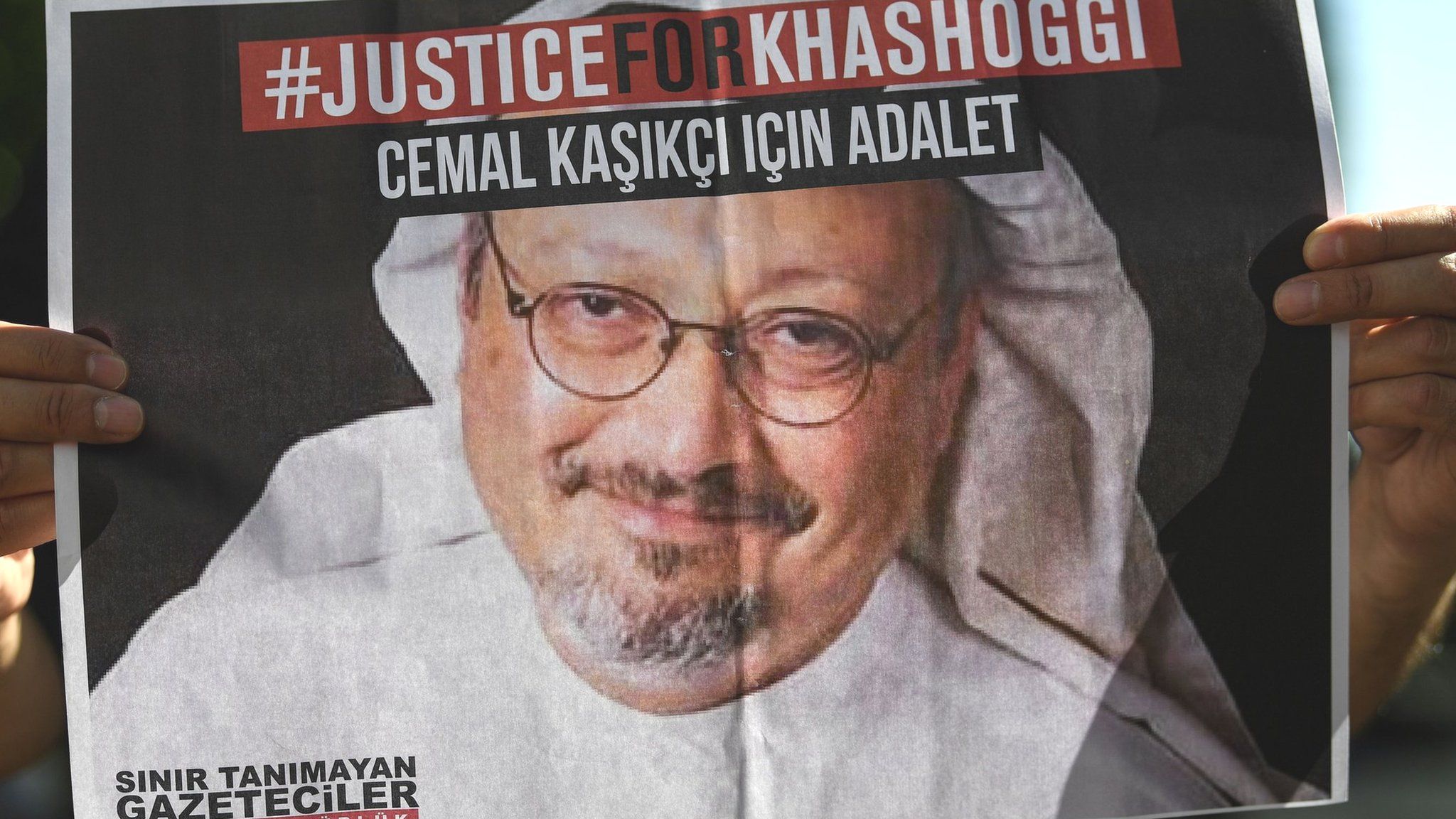
In the bustling streets of Istanbul, the air buzzed with the quiet hum of international intrigue. The city, once a crossroads of civilizations, now stood as a testament to the uneasy tensions of our modern world. It was here, in October 2018, that Jamal Khashoggi, a journalist and columnist for The Washington Post, vanished after entering the Saudi Arabian consulate. His disappearance sent shockwaves through the global community, not just for the manner of his vanishing but for the chilling implications it held for press freedom.
Khashoggi, a vocal critic of Saudi Arabia’s Crown Prince Mohammed bin Salman, had been living in self-imposed exile in the United States due to increasing pressure and threats from his home country. His writings often highlighted the intersection of politics, human rights, and climate change, drawing him into the orbit of global policymakers and thought leaders. His work was a beacon of truth in an increasingly murky media landscape.
The details surrounding Khashoggi’s murder were as macabre as they were revealing. The Saudi government initially denied involvement, but evidence soon emerged indicating complicity at the highest levels. A Saudi task force, led by agents linked to the crown prince, had orchestrated his killing, dismembering his body and disposing of it in the consulate’s waste system. This act of brazen violence underscored the lengths to which authoritarian regimes will go to silence dissent.
When the trial began in December 2022, hopes were high that justice might finally be served. However, the proceedings were marred by procedural irregularities and a lack of transparency. Key witnesses, including Saudi officials, failed to appear, casting doubt on the integrity of the process. The trial’s suspension in March 2023 without a guilty verdict was met with widespread condemnation from human rights organizations, highlighting the ongoing challenges in achieving justice in cases involving state actors.
The global silence that followed was both deafening and disheartening. While some nations expressed concern, many others seemed reluctant to engage, perhaps mindful of diplomatic ties or economic dependencies on Saudi Arabia. This reluctance underscores a broader issue: the struggle for accountability in an interconnected world where power often trumps principle.
As we reflect on Khashoggi’s case, it becomes clear that his story is not just one of personal tragedy but a symbol of the larger fight for justice and human rights. The failure to hold those responsible accountable sends a dangerous message, one that resonates far beyond the confines of the Saudi consulate in Istanbul. It challenges our collective commitment to press freedom, the rule of law, and the principles of justice that underpin progressive values.
In the words of climate activists who risk their lives to expose environmental injustice, silence is complicity. As we move forward, it is imperative that we demand accountability not just for Khashoggi’s killers but for all those who seek to suppress truth and justice in pursuit of power. The fight for a just society begins with speaking out, even when the world seems indifferent.
About the Author:
Carlos Rivera is Senior Correspondent at our publication. Award-winning reporter specializing in climate change and environmental policy. His work has taken him from the Amazon rainforest to polar regions, documenting the human impact of global warming.
 Bilingual journalist covering Middle Eastern politics and culture. Her reporting bridges the gap between local traditions and global trends, offering unique insights.
 Award-winning reporter specializing in climate change and environmental policy. His work has taken him from the Amazon rainforest to polar regions, documenting the human impact of global warming.
 Veteran journalist with over 15 years of experience leading international news operations. Known for her visionary approach to storytelling and editorial strategy, Jane has guided award-winning investigations across continents.
 Tech and innovation reporter with a focus on the intersection of technology and society. Her work explores how advancements impact global communities and economies.
 Urban affairs correspondent focusing on the challenges and opportunities of rapid urbanization. His work examines how cities shape and are shaped by global trends.