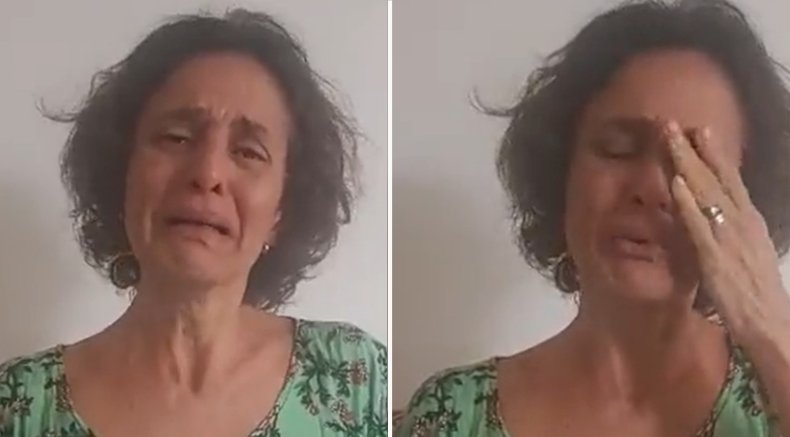
In a courtroom in Rio de Janeiro, Ana’s voice trembled as she recounted the last moments she saw her husband, a journalist named Daniel, before he vanished without a trace. It had been nearly two months since his disappearance, and the silence—deafening, unyielding—had grown heavier with each passing day. Her words, spoken in Portuguese, were translated for the assembled crowd, but no translation could capture the raw ache of her plea.
“Daniel was my love,” she said, her hands clutching a framed photo of them laughing together at a protest rally. “He was not just a journalist; he was my partner, my confidant, my reason for waking up every morning. And now, I am left here, pleading for the love of my life.”
Ana’s story is not unique in Brazil, where journalists have long faced threats and disappearances tied to their work. But her voice—a wife’s voice—carries a weight that transcends statistics and headlines. It is a reminder of the human cost of silence, of the lives upended by a system that values power over truth.
Brazil has long grappled with a complex web of issues that intersect at the crossroads of politics, power, and media. Journalists who dare to investigate corruption, police brutality, or the inequities that define life for millions of Brazilians often find themselves in danger. The country’s history of political repression is well-documented, from the authoritarian regime of the 1960s and 70s to the more subtle forms of control exerted by powerful elites today.
Ana’s husband, Daniel, had been investigating a story that hinted at high-level corruption involving some of Brazil’s most influential figures. His reporting was meticulous, his tone unyielding—traits that made him a target in a country where truth often feels like a liability. The night he disappeared, he had received anonymous threats via text message: “You’re getting too close,” the message read.
For Ana, the wait has been interminable—a testament to the slow grind of justice in a nation where wealth and influence often dictate outcomes. She has become a vocal advocate for Daniel’s safe return, her voice amplified by activists, human rights groups, and international organizations that have taken up his case. “We cannot let fear win,” she told a crowd at a recent rally. “Daniel’s work matters. Our lives matter.”
The broader context of Brazil’s struggle with press freedom is deeply tied to its economic inequality. Journalists who report on issues like land disputes, environmental degradation, and labor rights often find themselves in the crosshairs of powerful corporations and political factions. These are not abstract concerns; they are lived realities for millions of Brazilians, particularly those in marginalized communities.
The disappearances of journalists like Daniel are a symptom of a deeper malaise—one that affects not just media workers but entire societies. When truth-tellers vanish, it sends a chilling message: speak out, and you may disappear too.
Yet, even in the face of such darkness, there is hope. Ana’s unwavering determination has inspired a movement. Activists, writers, artists, and ordinary citizens have rallied behind her, demanding accountability and justice. Social media has become a tool for amplification, spreading Daniel’s story to corners of the world where Brazil’s struggles are often overlooked.
For Tom O’Connor, an economist turned journalist, such stories resonate deeply. They remind us that economic inequality is not just a matter of numbers on a spreadsheet; it is a lived reality shaped by power dynamics, fear, and silence. In Brazil, as elsewhere, the fight for social justice is intertwined with the struggle to protect those who dare to speak truth to power.
Ana’s plea is more than a personal appeal; it is a call to action—a reminder that in times of darkness, it is our collective responsibility to shine light. Daniel’s story, and Ana’s unwavering voice, are a testament to the enduring power of hope. Until he returns, until justice is served, the fight continues.
And so, in a nation where silence can feel like an accomplice, Ana persists—her voice a clarion call for truth, for love, and for the future that Daniel’s work seeks to build.
About the Author:
Tom O’Connor is Economy Editor at our publication. Economist turned journalist, Tom specializes in global economic inequality and its impact on social structures. His work is both analytical and deeply human.
 Bilingual journalist covering Middle Eastern politics and culture. Her reporting bridges the gap between local traditions and global trends, offering unique insights.
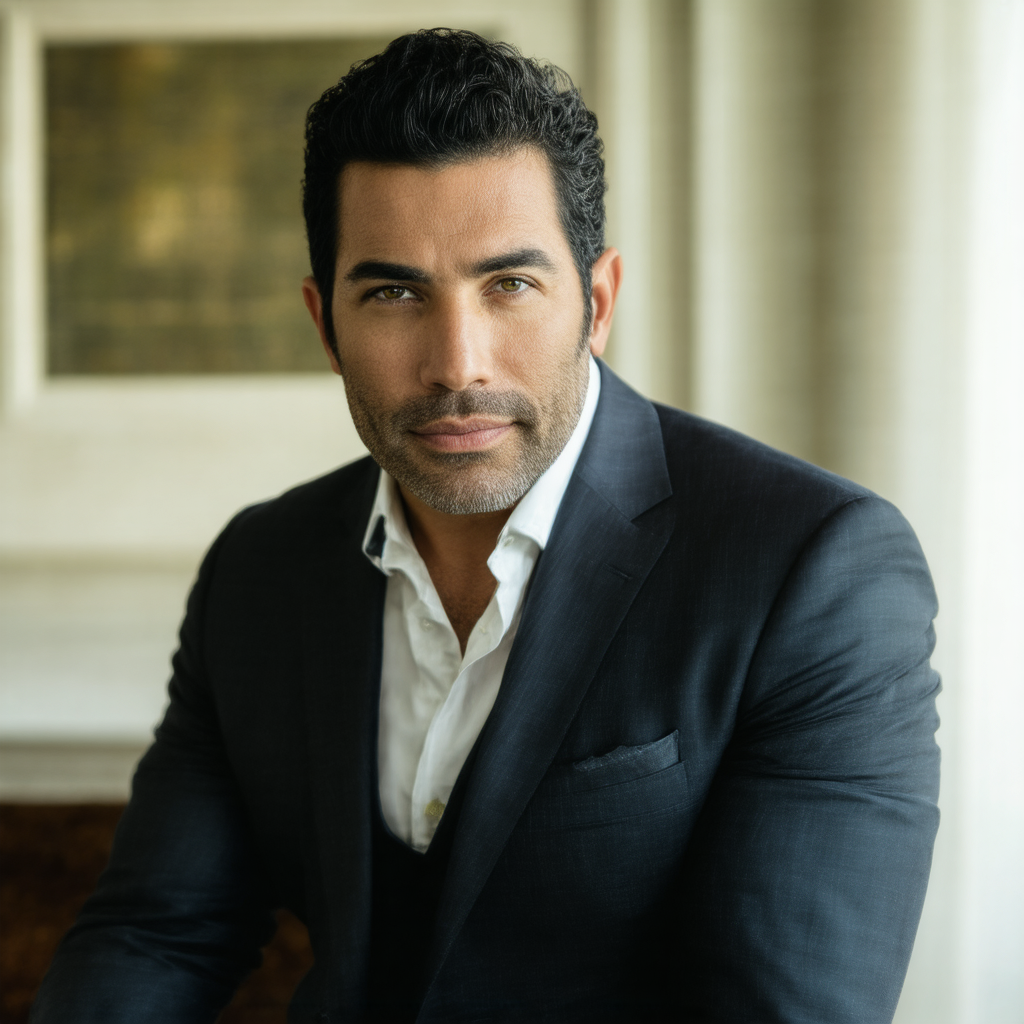 Award-winning reporter specializing in climate change and environmental policy. His work has taken him from the Amazon rainforest to polar regions, documenting the human impact of global warming.
 Veteran journalist with over 15 years of experience leading international news operations. Known for her visionary approach to storytelling and editorial strategy, Jane has guided award-winning investigations across continents.
 Tech and innovation reporter with a focus on the intersection of technology and society. Her work explores how advancements impact global communities and economies.
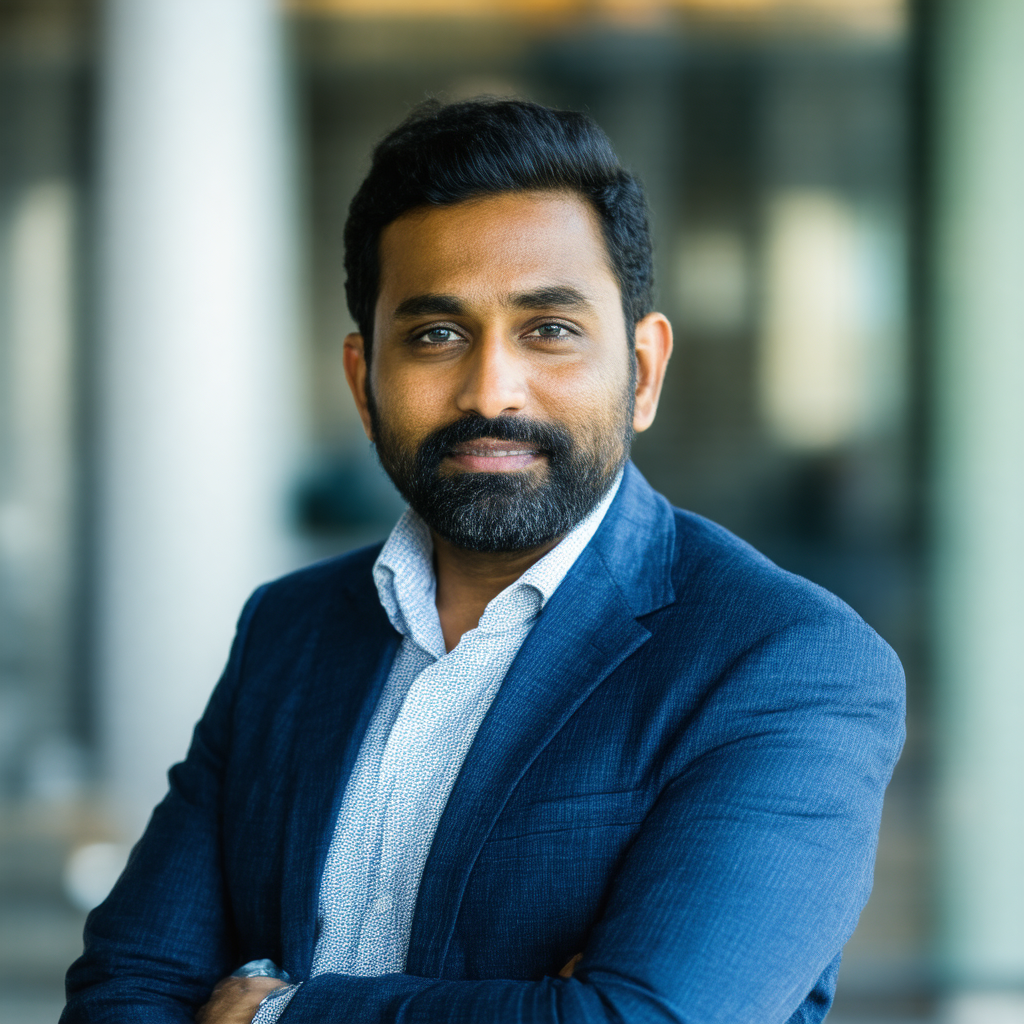 Urban affairs correspondent focusing on the challenges and opportunities of rapid urbanization. His work examines how cities shape and are shaped by global trends.