Breaking Barriers: Over-the-Counter Birth Control Access for Women
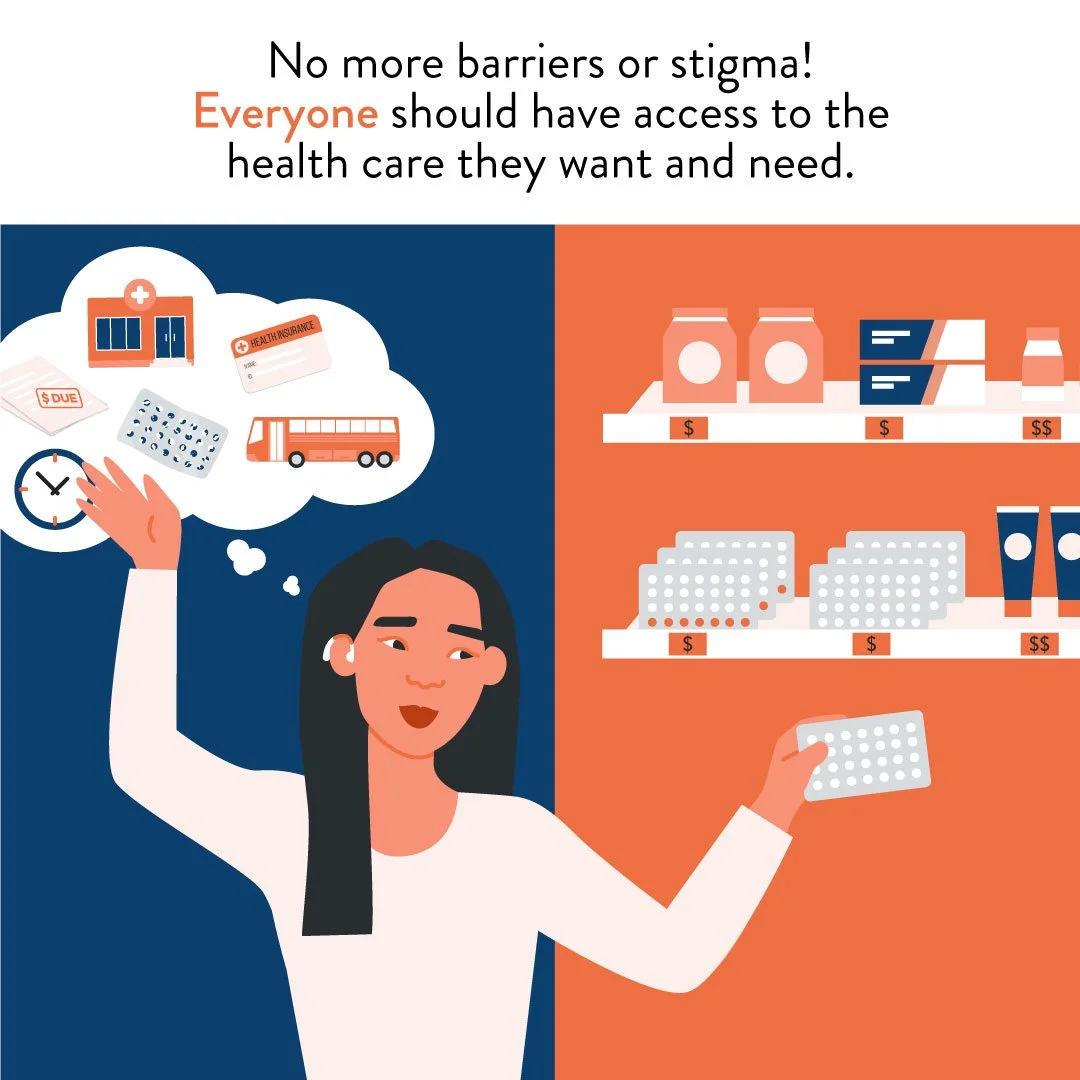
In the heart of Nairobi, under the bustling streets of Kibera, women gather at local pharmacies, their eyes reflecting determination as they discreetly purchase over-the-counter (OTC) birth control pills. This scene, once unimaginable in a region where access to reproductive healthcare was often hindered by cultural and logistical barriers, now symbolizes a growing movement towards empowering women with control over their bodies. The shift to making birth control available without a prescription is not just a medical advancement; it’s a revolutionary step in the fight for gender equality and human rights.
A Quiet Revolution
The journey to OTC birth control began decades ago, with advocates tirelessly pushing for policy changes that would democratize access to reproductive health resources. In 2019, the World Health Organization (WHO) recommended making hormonal contraceptives available without a prescription, marking a pivotal moment in global health policy. This move was met with both celebration and resistance, as cultural and religious norms often clash with modern medical practices.
In Europe, where the concept of women’s autonomy is deeply ingrained, the transition to OTC birth control has been relatively smooth. Yet, challenges persist. In countries like Poland, where anti-abortion laws are stringent, access to reproductive healthcare remains a contentious issue. Women’s rights advocates in Poland argue that OTC birth control is not just about choice but also about safeguarding against unwanted pregnancies in a region where abortion access is severely limited.
Cultural and Religious Challenges
In sub-Saharan Africa, the conversation around birth control often faces resistance rooted in cultural and religious beliefs. In Nigeria, for instance, many communities view family planning as contrary to traditional values. However, grassroots organizations are making strides by integrating reproductive health education into local languages and customs. Groups like the Federation of Women in Development (FEWOD) are training community leaders to discuss birth control openly, bridging the gap between tradition and modern healthcare.
Similarly, in the Middle East, conservative societal norms often dictate women’s healthcare choices. In countries like Egypt, where the government has been slow to embrace reproductive rights, NGOs like the Cairo Institute for Human Rights Work tirelessly advocate for OTC access. Their efforts have seen some success, with more pharmacies now stocking birth control pills, albeit with varying levels of availability depending on regional policies.
Policy Battles and Grassroots Triumphs
The road to OTC birth control has been fraught with policy challenges. In Kenya, for example, bureaucratic red tape initially hindered the distribution of OTC contraceptives. However, persistent advocacy by local NGOs led to a landmark policy change in 2021, allowing pharmacists to dispense hormonal pills without a doctor’s prescription. This shift has had a profound impact, with rural areas seeing a surge in access to birth control.
In Europe, the conversation around OTC birth control often intersects with broader debates on healthcare accessibility. In France, where public healthcare is robust, the push for OTC contraceptives focuses on reducing costs and increasing convenience. Women’s rights groups argue that financial barriers, despite being lower than in many countries, still limit access for low-income individuals.
Grassroots movements are at the forefront of this revolution. In South Africa, where HIV/AIDS rates remain high, organizations like the Treatment Action Campaign (TAC) have successfully lobbied for OTC access to condoms and other contraceptives. Their efforts have been instrumental in curbing unintended pregnancies and reducing the spread of sexually transmitted infections.
A Call to Action
As we look ahead, the fight for universal access to OTC birth control is far from over. Policymakers must prioritize education and affordability, ensuring that all women, regardless of their economic status or geographic location, can make informed choices about their bodies. Grassroots organizations play a crucial role in bridging the gap between policy and practice, particularly in regions where cultural and religious barriers remain.
The global movement for OTC birth control is not just about healthcare—it’s about empowering women to take charge of their lives. By breaking down these barriers, we are paving the way for a future where every woman can access the tools she needs to thrive. As we continue to advocate for change, let us remember that reproductive rights are human rights, and together, we can build a world where no woman is left behind.
This shift marks a significant step in our collective journey toward equality, reminding us that progress is not only possible but essential. The fight for OTC birth control is a testament to the power of advocacy, education, and resilience—and a beacon of hope for women everywhere.
About the Author:
Sofia Hassan is Investigative Reporter at our publication. Documentary filmmaker and reporter, Sofia brings a visual storytelling approach to her work on migration and displacement. Her stories have aired on major networks worldwide.
 Bilingual journalist covering Middle Eastern politics and culture. Her reporting bridges the gap between local traditions and global trends, offering unique insights.
 Award-winning reporter specializing in climate change and environmental policy. His work has taken him from the Amazon rainforest to polar regions, documenting the human impact of global warming.
 Veteran journalist with over 15 years of experience leading international news operations. Known for her visionary approach to storytelling and editorial strategy, Jane has guided award-winning investigations across continents.
 Tech and innovation reporter with a focus on the intersection of technology and society. Her work explores how advancements impact global communities and economies.
 Urban affairs correspondent focusing on the challenges and opportunities of rapid urbanization. His work examines how cities shape and are shaped by global trends.