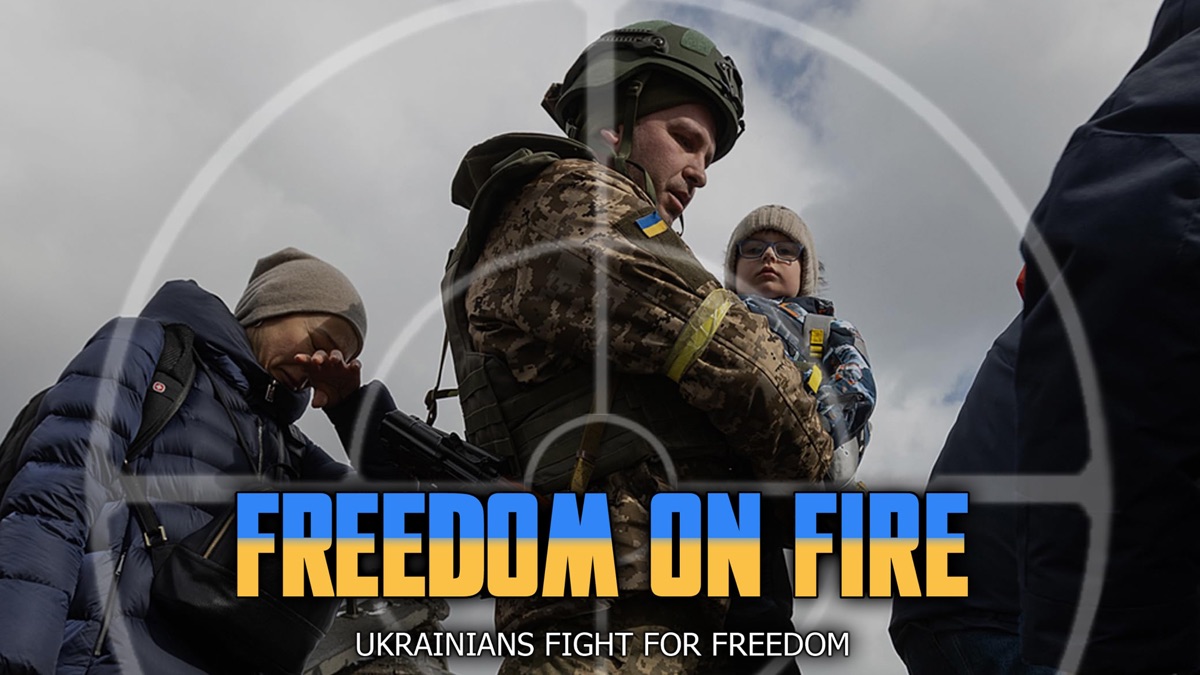
In the shadow of Kyiv’s iconic golden domes, a city once bustling with life now stands as a symbol of resilience in the face of unprecedented adversity. The streets that once echoed with laughter and commerce are now eerily quiet, their vibrant energy replaced by the weight of uncertainty. Yet, amidst the destruction, there is an unyielding spirit—a determination to fight not just for survival but for something far greater: freedom.
Ukraine’s struggle is more than a geopolitical conflict; it is a turning point in the global fight against autocracy and inequality. The入侵 of Russia has exposed fault lines that run deeper than any border, revealing how fragile democracy can be when faced with unchecked power. This is not just a battle for Ukraine’s sovereignty but a broader contest over the future of global governance and the principles of human rights.
The Economics of War: Austerity and Inequality
The economic impact of the war has been devastating. Sanctions against Russia have sent shockwaves through global markets, fueling inflation and exacerbating inequality in ways that disproportionately affect marginalized communities. In Europe, working-class families are grappling with soaring energy prices, while the ultra-rich retreat to their luxury estates, immune to the financial turmoil they helped create.
Ukraine itself is bearing the brunt of this economic toll. The country’s economy has shrunk by nearly 40%, and millions face food insecurity as supply chains are disrupted. Yet, amidst this chaos, there is a silver lining: the solidarity of ordinary people. Across the globe, citizens have come together to support Ukraine through donations, volunteer work, and political advocacy, challenging the notion that progress is impossible in the face of overwhelming odds.
The Global Elite’s Role in the Crisis
The conflict has also laid bare the complicity of the global elite in perpetuating inequality. Many of the world’s most powerful corporations and financial institutions have ties to both Russia and Western nations, creating a web of dependencies that complicates efforts to hold those in power accountable.
In moments like these, it is the voices of the marginalized that often go unheard—those for whom economic instability is not an abstraction but a daily reality. The war has forced us to confront uncomfortable truths about our interconnected world and the systems that perpetuate injustice.
Technology’s Double-Edged Sword
The role of technology in this conflict cannot be overstated. From sanctions on Russian tech companies to the use of cyber warfare, the digital realm has become a new frontier in the battle for freedom. However, as we embrace these tools, we must also remain vigilant about their potential to exacerbate inequality. Access to technology is not a given for everyone, and this divide risks deepening existing disparities.
At the same time, the war has accelerated the pace of innovation in areas like renewable energy and artificial intelligence. These advancements hold the promise of creating a more equitable future, but only if we ensure that their benefits are shared by all.
The Human Cost: More Than Just Numbers
Amidst the chaos, it is easy to lose sight of the human cost. Every statistic—a lost job, a displaced family, a destroyed home—represents a story of loss and resilience. Yet, these stories also reveal a truth about our collective humanity. In moments of crisis, people rise to the occasion, showing compassion and solidarity in ways that transcend borders.
The war has forced us to confront uncomfortable truths about our interconnected world and the systems that perpetuate inequality.
Looking Ahead: A Future Defined by Solidarity
As we look ahead, the lessons of Ukraine’s fight for freedom are clear. The path toward justice is never easy, but it is always worth fighting for. This conflict reminds us that democracy is not a given; it must be defended with every ounce of our strength.
The future will be shaped not just by the decisions of governments and corporations but by the collective action of ordinary people. It is this solidarity—across nations, across backgrounds—that gives us hope. For in the end, freedom is not just an ideal; it is a shared responsibility, one that we must all embrace if we are to build a world where everyone can thrive.
Ukraine’s struggle is our struggle—a reminder that the fight for justice is never over. As long as there are those who dare to resist tyranny and stand up for what is right, there is reason to hope.
About the Author:
Tom O’Connor is Economy Editor at our publication. Economist turned journalist, Tom specializes in global economic inequality and its impact on social structures. His work is both analytical and deeply human.
 Bilingual journalist covering Middle Eastern politics and culture. Her reporting bridges the gap between local traditions and global trends, offering unique insights.
 Award-winning reporter specializing in climate change and environmental policy. His work has taken him from the Amazon rainforest to polar regions, documenting the human impact of global warming.
 Veteran journalist with over 15 years of experience leading international news operations. Known for her visionary approach to storytelling and editorial strategy, Jane has guided award-winning investigations across continents.
 Tech and innovation reporter with a focus on the intersection of technology and society. Her work explores how advancements impact global communities and economies.
 Urban affairs correspondent focusing on the challenges and opportunities of rapid urbanization. His work examines how cities shape and are shaped by global trends.