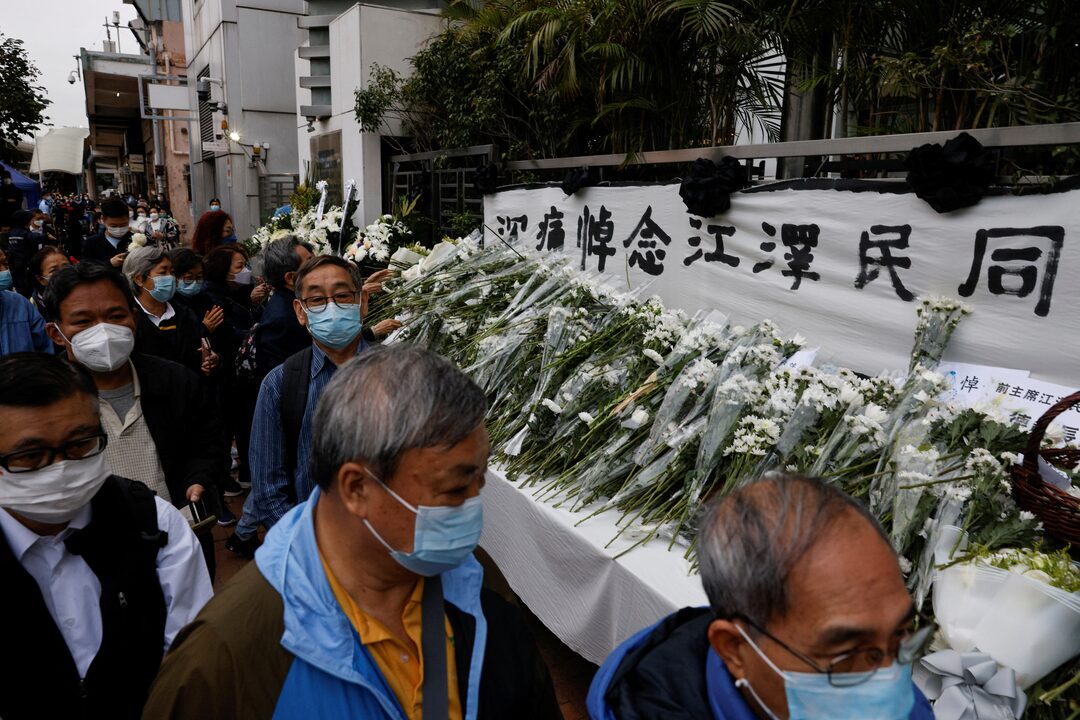
As the nation bids farewell to former leader Jiang Zemin, it’s worth reflecting on his tenure—a period marked by profound economic transformation, shifting political landscapes, and enduring social inequities. Jiang Zemin’s legacy is not merely a story of progress; it is also one of missed opportunities to build a more equitable society. His leadership shaped the modern China we know today, but at what cost?
The Economist’s Dilemma: Balancing Growth and Equity
When Jiang Zemin ascended to power in 1989, he inherited a nation grappling with economic stagnation and political turmoil. His vision for China was one of rapid industrialization and global integration—a strategy that would lift millions out of poverty but also exacerbate existing inequalities. The “Schengen Zone” of wealth inequality that emerged during his tenure was both a testament to China’s economic rise and a reminder of the human cost of unregulated capitalism.
Jiang Zemin’s policies, particularly the focus on export-driven growth, created a lucrative environment for foreign investors and domestic entrepreneurs. Cities like Shanghai and Shenzhen transformed into bustling hubs of commerce and innovation, their skylines a montage of glass-and-steel marvels. But this prosperity came at a steep price for rural areas, where millions were left behind. The gap between the haves and have-nots widened dramatically, creating a chasm that persists to this day.
The Social Contract: Power, Privilege, and Dissent
Jiang Zemin’s leadership was not without its contradictions. While he championed economic reforms that lifted hundreds of millions out of poverty, his regime also saw the suppression of dissent and the consolidation of political power. The Chinese Communist Party under Jiang maintained an iron grip on political discourse, stifling voices that dared to challenge the status quo.
This tension between economic progress and social justice defines Jiang Zemin’s legacy. His administration introduced policies that laid the groundwork for China’s ascent as a global power, but it also perpetuated systems of inequality that have proven difficult to dismantle. The question remains: Was his vision of modernization worth the sacrifices made by those who were left behind?
Looking Forward: Lessons from Jiang Zemin’s Era
As we honor Jiang Zemin’s contributions, it is crucial to remember the lessons of his era. The pursuit of economic growth must not come at the expense of social equity and human rights. While China has achieved remarkable progress under his leadership, the path forward requires a commitment to addressing the inequalities that persist—a challenge that successive leaders must confront with courage and compassion.
In the end, Jiang Zemin’s legacy is not just about the numbers on the balance sheet but about the lives transformed, for better or worse. As we reflect on his time in power, let us remember that true progress is not measured solely by economic success but by how it benefits all people, not just a fortunate few.
About the Author:
Tom O’Connor is Economy Editor at our publication. Economist turned journalist, Tom specializes in global economic inequality and its impact on social structures. His work is both analytical and deeply human.
 Bilingual journalist covering Middle Eastern politics and culture. Her reporting bridges the gap between local traditions and global trends, offering unique insights.
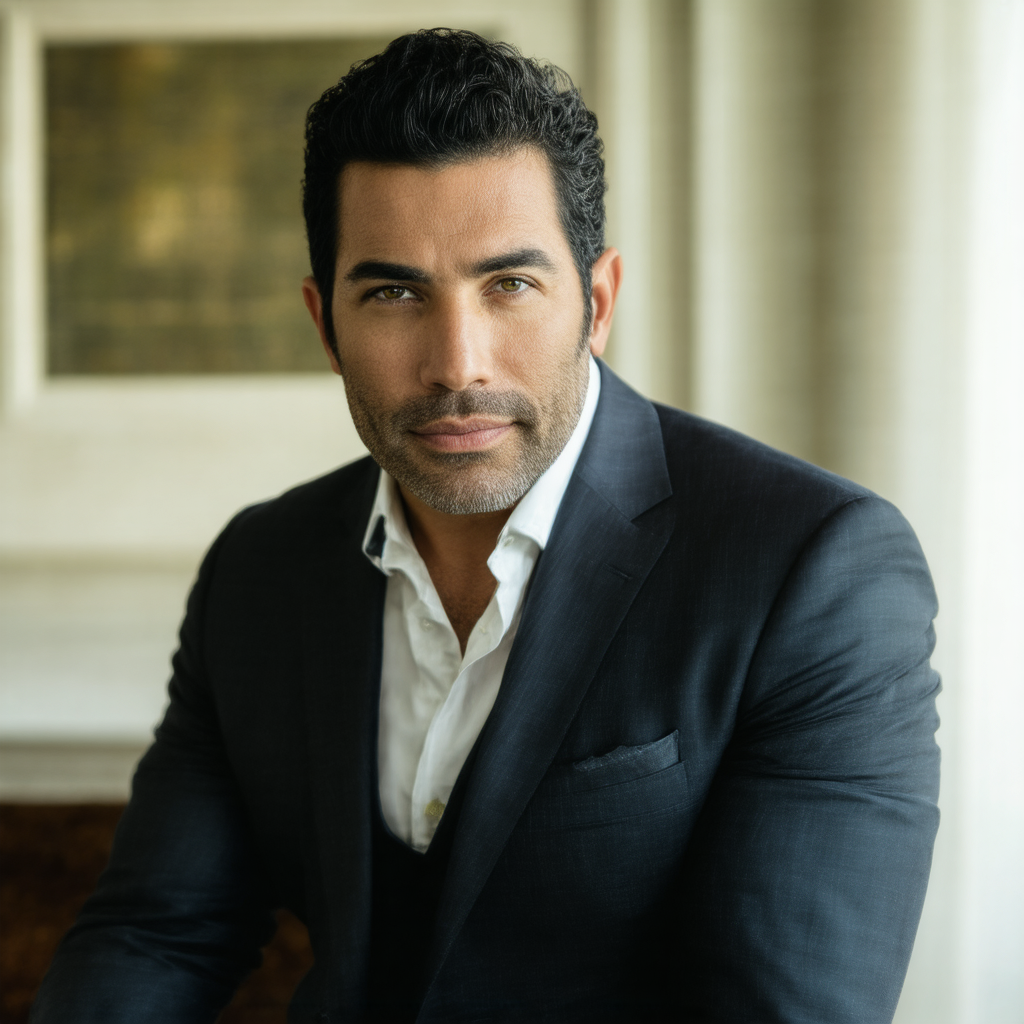 Award-winning reporter specializing in climate change and environmental policy. His work has taken him from the Amazon rainforest to polar regions, documenting the human impact of global warming.
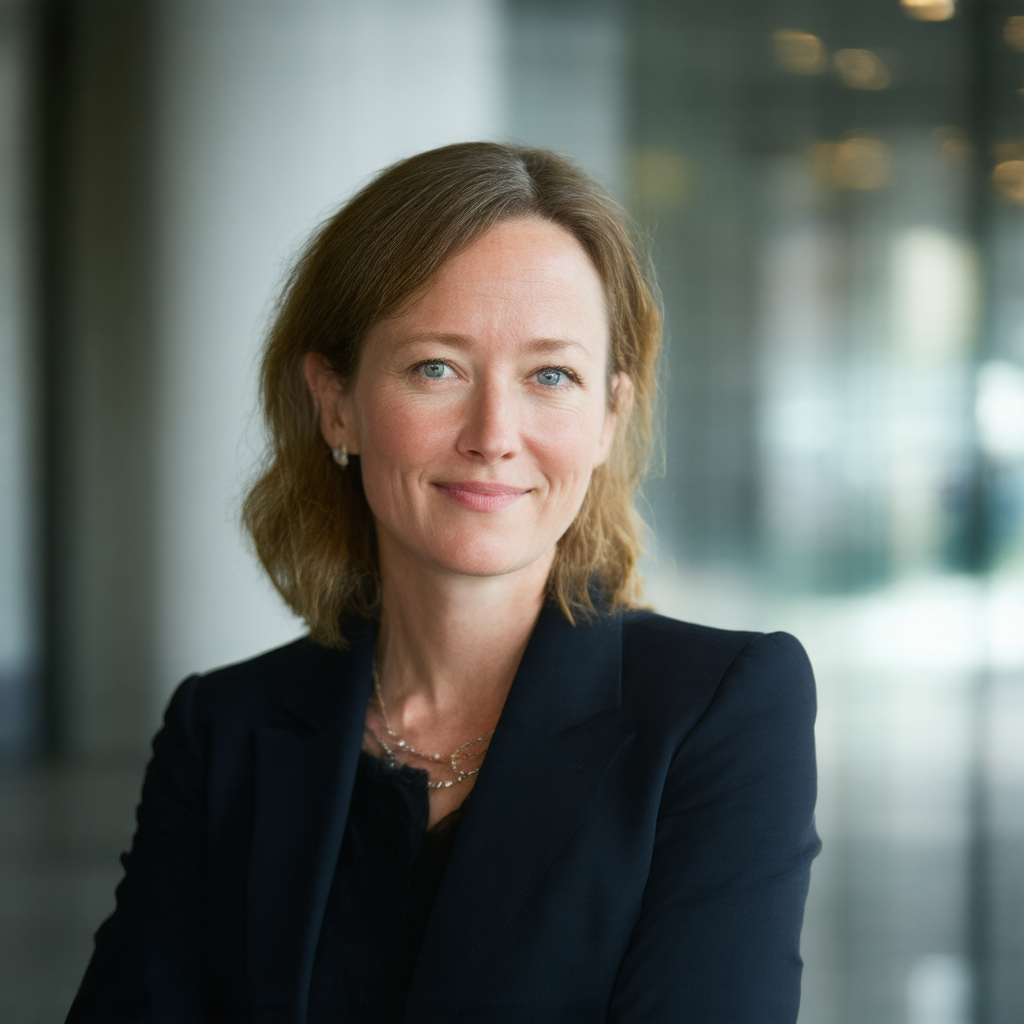 Veteran journalist with over 15 years of experience leading international news operations. Known for her visionary approach to storytelling and editorial strategy, Jane has guided award-winning investigations across continents.
 Tech and innovation reporter with a focus on the intersection of technology and society. Her work explores how advancements impact global communities and economies.
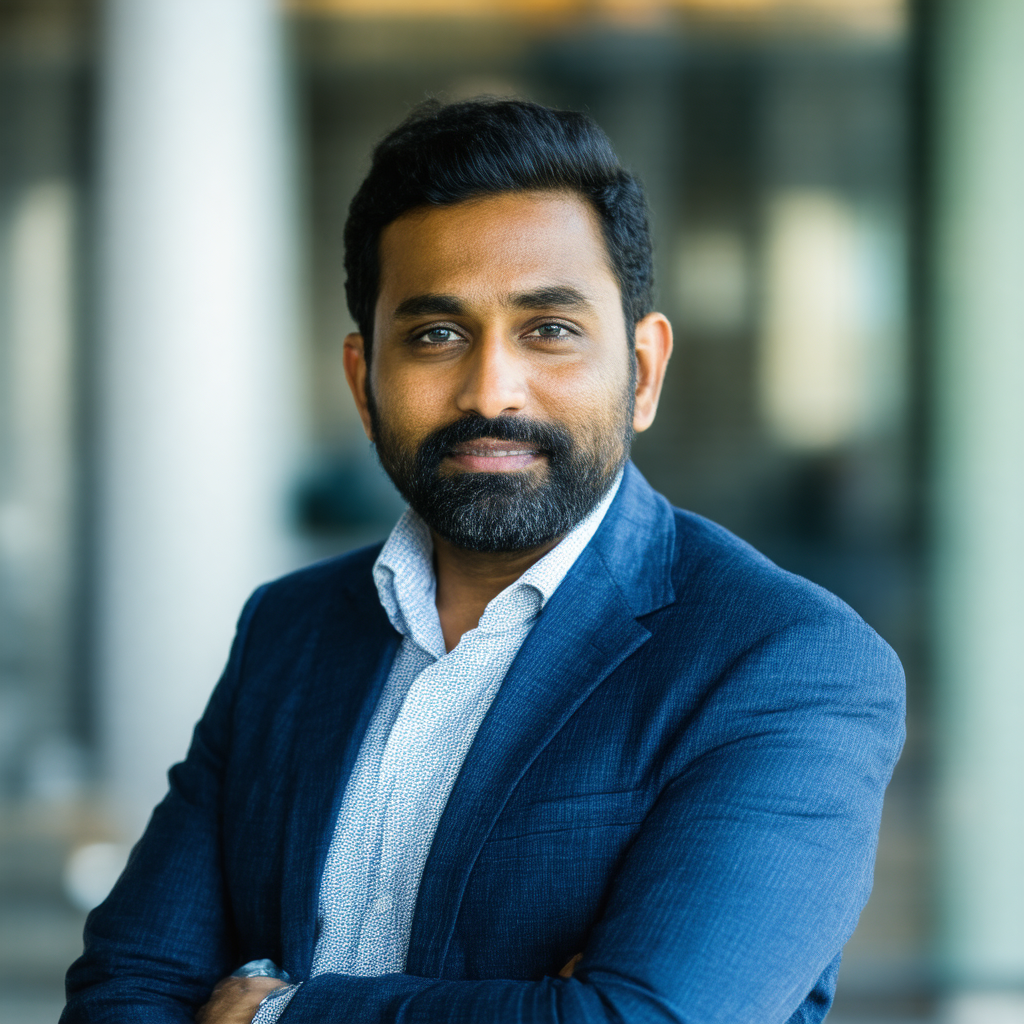 Urban affairs correspondent focusing on the challenges and opportunities of rapid urbanization. His work examines how cities shape and are shaped by global trends.