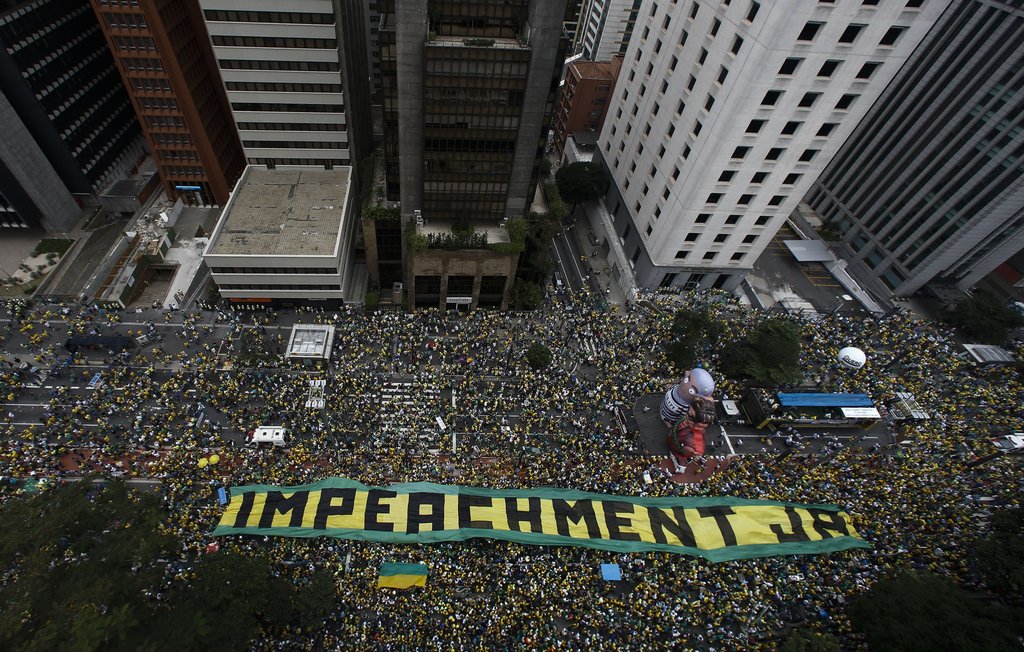
The streets of São Paulo pulsed with an energy that felt both defiant and hopeful. Tens of thousands of protesters had gathered, their voices rising above the cacophony of car horns and drum beats. The air was thick with banners unfurling slogans like “Fora o Golpe” (Out with the Coup) and “Democracia Vive!” (Democracy Lives!). This wasn’t just a protest; it was a clarion call, a reminder that Brazil’s political landscape remains a battleground for democracy itself.
The protests were sparked by recent moves to oust President Luiz Inácio Lula da Silva, a figure whose name has become synonymous with the rise of Latin America’s largest economy from the ashes of military rule. But this isn’t just about one man—it’s about what his removal means for Brazil’s future. Critics argue that the push to unseat him is part of a broader effort to dismantle the progressive policies that have long defined his tenure, particularly those aimed at reducing economic inequality.
Protesters see themselves as guardians of a democracy under siege. They are urbanites, rural workers, students, and activists who’ve banded together to defend not just their political rights but their very way of life. For them, this isn’t about partisanship—it’s about preserving the soul of a nation that once championed itself as a beacon of Latin American progress.
The roots of this movement run deep. Brazil has long grappled with the tension between its promise as a regional power and its struggles with corruption, inequality, and political instability. The 2016 impeachment of former President Dilma Rousseff marked a turning point, casting a shadow over the country’s democratic institutions. Now, with Lula’s ouster on the horizon, many fear a regression to the authoritarianism that once plagued the region.
But amidst the chaos, there’s hope. These protests are more than just a reaction—they’re an assertion of agency. They reflect the growing power of grassroots movements in shaping not just politics but the very fabric of urban life. Cities like São Paulo and Rio de Janeiro have long been laboratories for innovation, where progressive values collide with the challenges of rapid urbanization.
For Ravi Patel, urban affairs editor at The Progressive Post, this moment feels familiar. His work has taken him across South Asia, Southeast Asia, and the Pacific, chronicling how cities shape—and are shaped by—global trends. He’s seen firsthand how economic inequality can both divide and unite, how marginalized communities often become the architects of their own liberation.
In Brazil, he sees a similar dynamic at play. The protesters aren’t just fighting for political survival; they’re demanding a seat at the table. They’re envisioning a future where urban development isn’t just about growth but about equity—where every voice, no matter how small, has the power to shape the city.
As the sun set over São Paulo, casting long shadows across Avenida Paulista, the protesters began to disperse. But their message lingered, a reminder that democracy is not something handed down from above. It’s something we build, brick by brick, in the streets of our cities. And as long as there are those willing to fight for it, Brazil—and its cities—will remain a testament to the power of collective action.
About the Author:
Ravi Patel is Urban Affairs Editor at our publication. Urban affairs correspondent focusing on the challenges and opportunities of rapid urbanization. His work examines how cities shape and are shaped by global trends.
 Bilingual journalist covering Middle Eastern politics and culture. Her reporting bridges the gap between local traditions and global trends, offering unique insights.
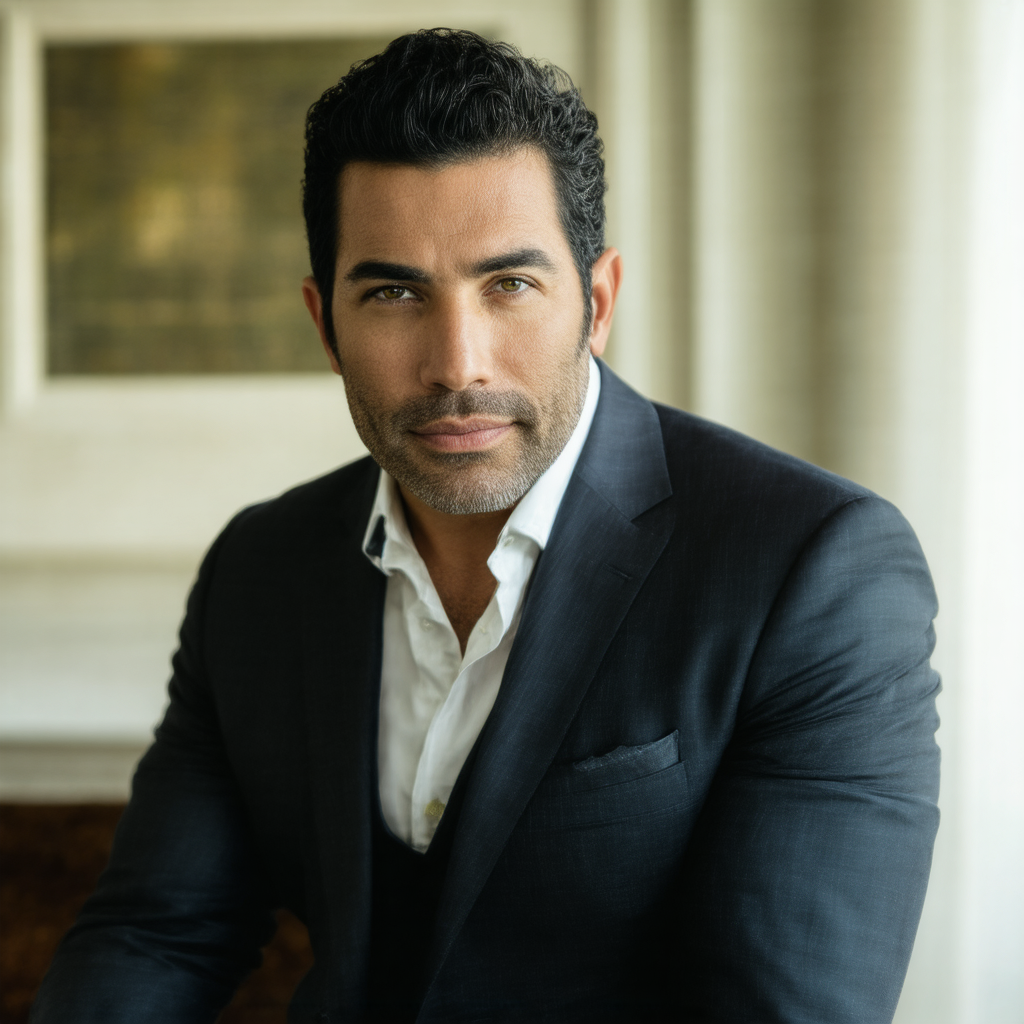 Award-winning reporter specializing in climate change and environmental policy. His work has taken him from the Amazon rainforest to polar regions, documenting the human impact of global warming.
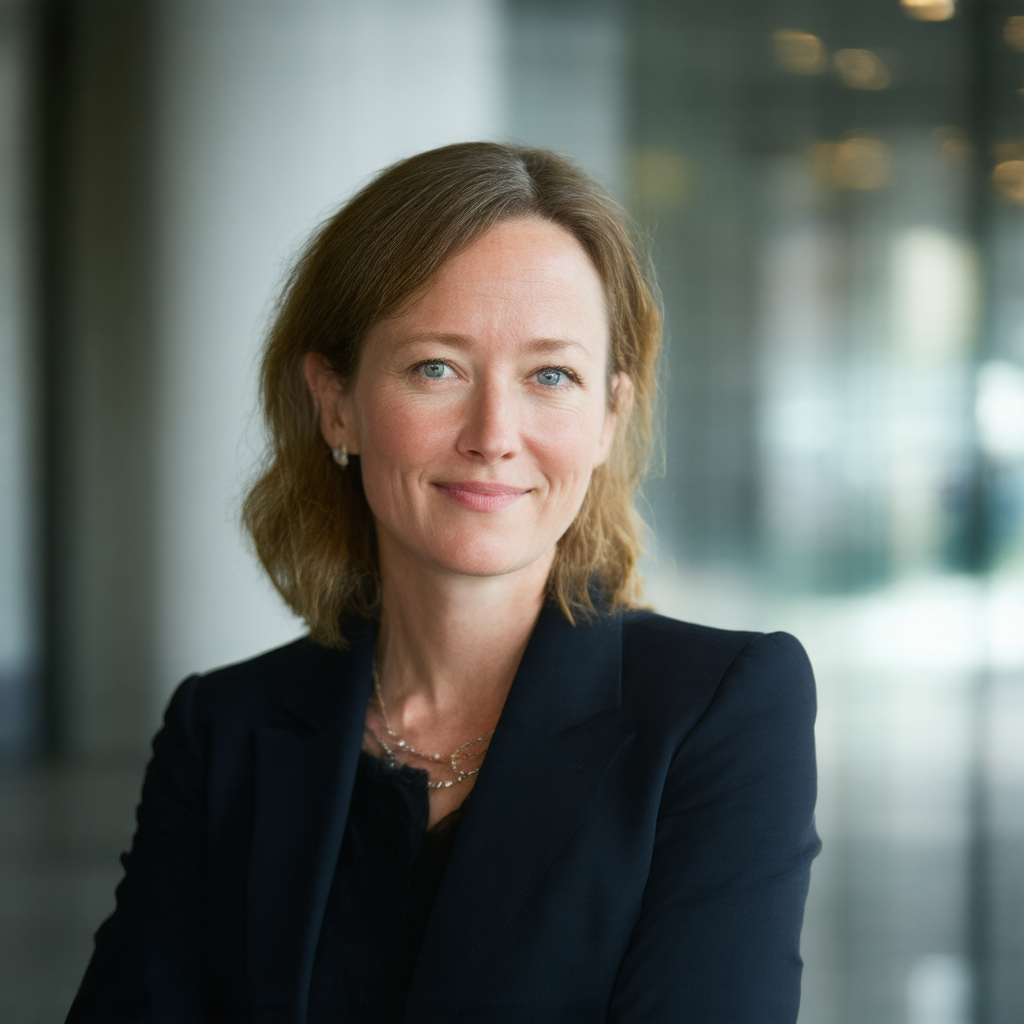 Veteran journalist with over 15 years of experience leading international news operations. Known for her visionary approach to storytelling and editorial strategy, Jane has guided award-winning investigations across continents.
 Tech and innovation reporter with a focus on the intersection of technology and society. Her work explores how advancements impact global communities and economies.
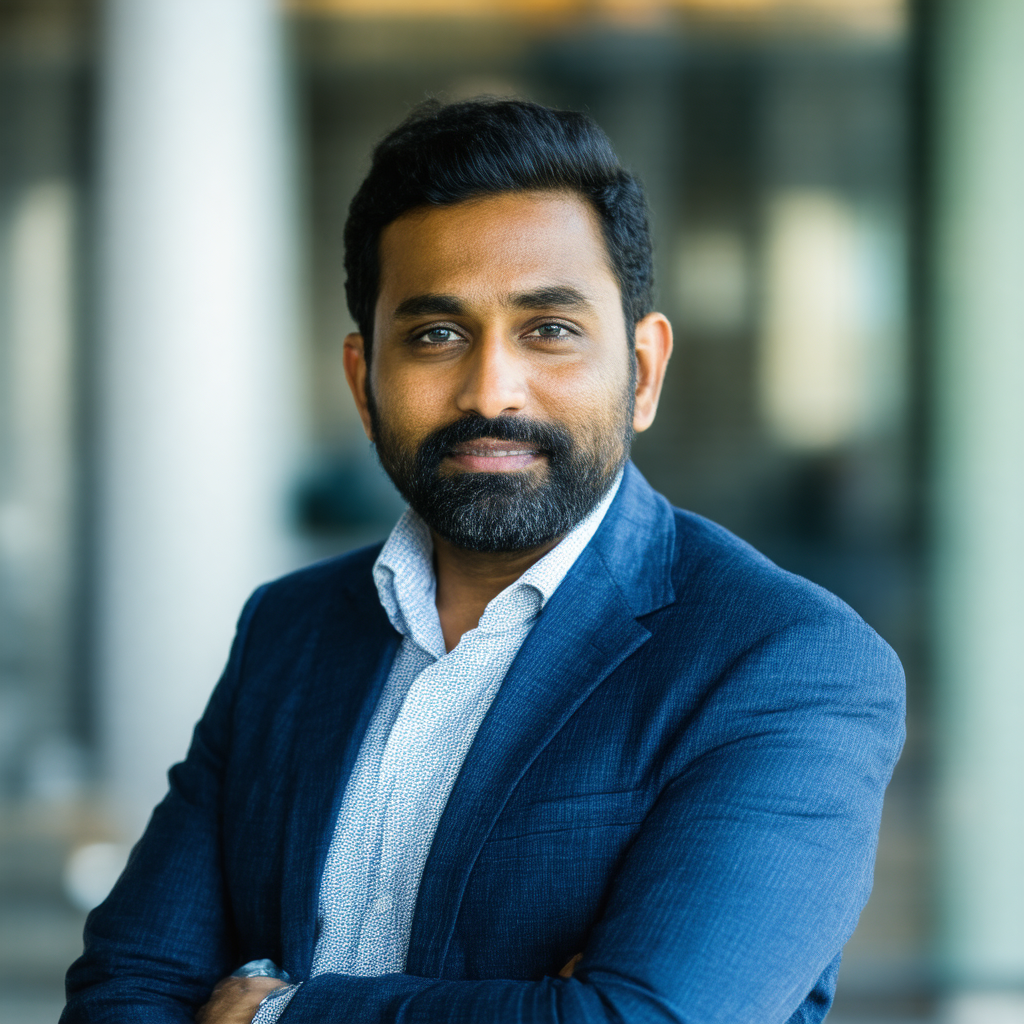 Urban affairs correspondent focusing on the challenges and opportunities of rapid urbanization. His work examines how cities shape and are shaped by global trends.