
Asteroid Countdown: Humanity’s Last Chance
The clock is ticking. Somewhere in the vast expanse of space, an asteroid hurtles toward Earth, and we are running out of time. This is not a sci-fi movie; it’s a stark reality that humanity must confront. The threat of a catastrophic asteroid impact looms over us, a silent countdown to what could be our planet’s final chapter.
In recent years, the scientific community has sounded alarms with increasing urgency. Studies reveal that Earth is at greater risk than previously thought from near-Earth objects (NEOs). An asteroid the size of a football field hurtles past us every few weeks, and while most are harmless, even a small one could cause significant destruction if it were to collide with our planet. The stakes couldn’t be higher.
But this isn’t just about science; it’s about humanity’s ability to come together in the face of existential threat. It’s about leadership, equity, and whether we can rise above our divisions to protect not only ourselves but future generations.
The Science of Destruction
Asteroids are remnants from the formation of our solar system, and they orbit the Sun like celestial loners. Most are harmless, floating in deep space, far from any inhabited world. But a small fraction of these cosmic wanderers come dangerously close to Earth. When they do, the results can be catastrophic.
In 1908, an asteroid exploded in the skies above Tunguska, Russia, flattening hundreds of square miles of forest and leaving behind a wasteland. The event, known as the Tunguska impact, was the most powerful explosion ever recorded on Earth’s surface. Yet it caused no human casualties because the area was sparsely populated.
But what if an asteroid were to strike a heavily populated region? The consequences would be unfathomable. A 100-meter-wide asteroid, roughly the size of the one that wiped out the dinosaurs, could release as much energy as 100 million hydrogen bombs. Cities would be vaporized, ecosystems destroyed, and the climate thrown into chaos.
Missed Opportunities
For decades, scientists have been tracking NEOs, but progress has been slow. The U.S. government established the Spaceguard Survey in 1998 to detect and track potentially hazardous asteroids, but funding has always been a challenge. Meanwhile, other countries have shown little interest in investing in asteroid detection systems.
The lack of global cooperation is staggering. While NASA and ESA have made strides in identifying NEOs, there’s no coordinated international effort to address the threat. If an asteroid were to be detected today, we would likely face a chaotic response, with nations scrambling for solutions.
The Ethical Imperative
Asteroids don’t discriminate. Their impact knows no borders or boundaries. Yet the lack of global cooperation is a failure of ethics and responsibility. Wealthy nations have the resources to invest in asteroid detection and mitigation, but they often neglect this critical issue in favor of short-term political gains.
The ethical imperative is clear: protecting Earth from asteroids is not just a scientific challenge—it’s a moral obligation. We owe it to ourselves and future generations to ensure that humanity doesn’t meet its end due to our own shortsightedness.
A Call to Action
We need bold leadership now more than ever. World leaders must prioritize asteroid detection and mitigation as a matter of global security. The United Nations should establish a dedicated agency for planetary defense, tasked with coordinating efforts across nations.
Ordinary citizens also have a role to play. Public awareness campaigns are crucial to ensuring that people understand the gravity of the situation. We cannot rely on governments alone; we must demand action and hold our leaders accountable.
The asteroid countdown is not just a science fiction fantasy—it’s our reality. But it’s also an opportunity for humanity to prove that we can rise above our differences and work together for the greater good. The clock is ticking, but there’s still time to act. Let’s make sure we don’t miss our last chance.
About the Author:
Emily Zhang is Health Editor at our publication. Data journalist with a focus on global health and infectious diseases. Her work uses data to tell stories about public health challenges around the world.
 Bilingual journalist covering Middle Eastern politics and culture. Her reporting bridges the gap between local traditions and global trends, offering unique insights.
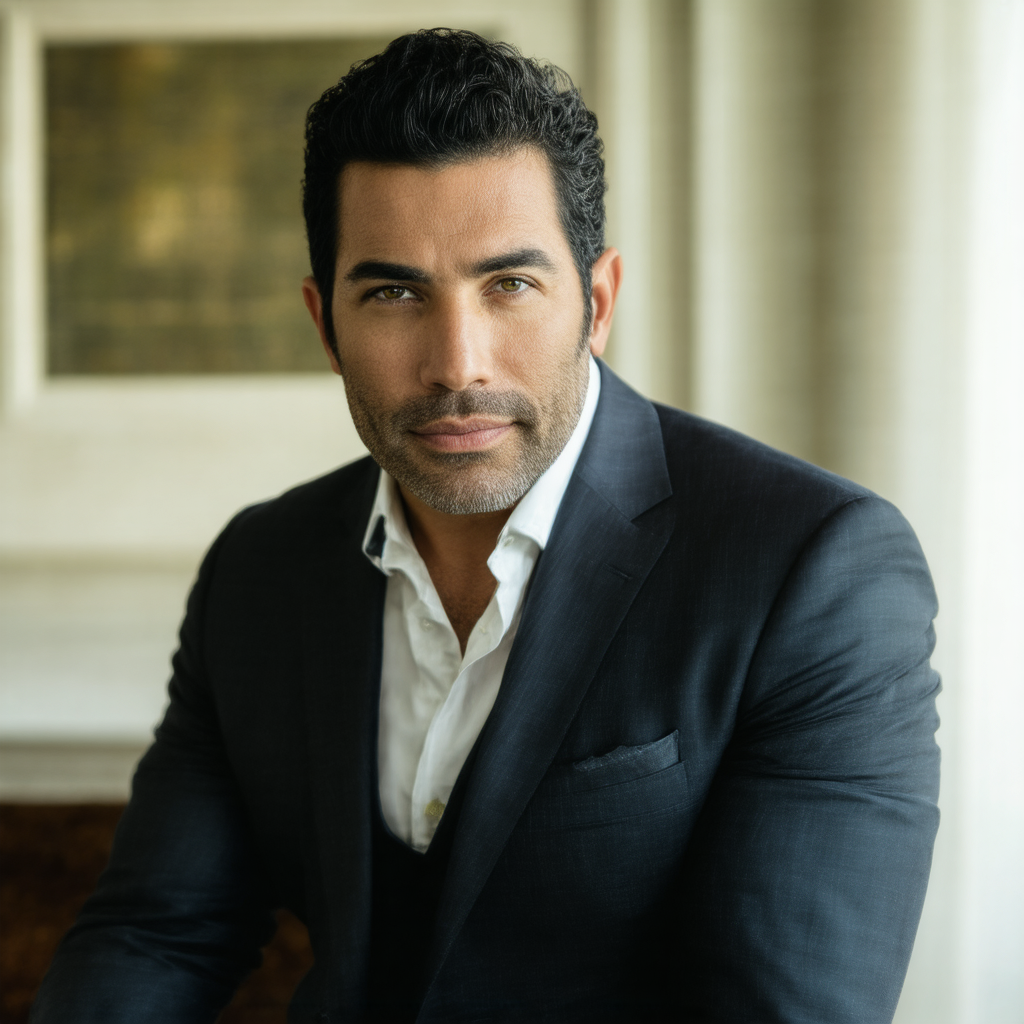 Award-winning reporter specializing in climate change and environmental policy. His work has taken him from the Amazon rainforest to polar regions, documenting the human impact of global warming.
 Veteran journalist with over 15 years of experience leading international news operations. Known for her visionary approach to storytelling and editorial strategy, Jane has guided award-winning investigations across continents.
 Tech and innovation reporter with a focus on the intersection of technology and society. Her work explores how advancements impact global communities and economies.
 Urban affairs correspondent focusing on the challenges and opportunities of rapid urbanization. His work examines how cities shape and are shaped by global trends.