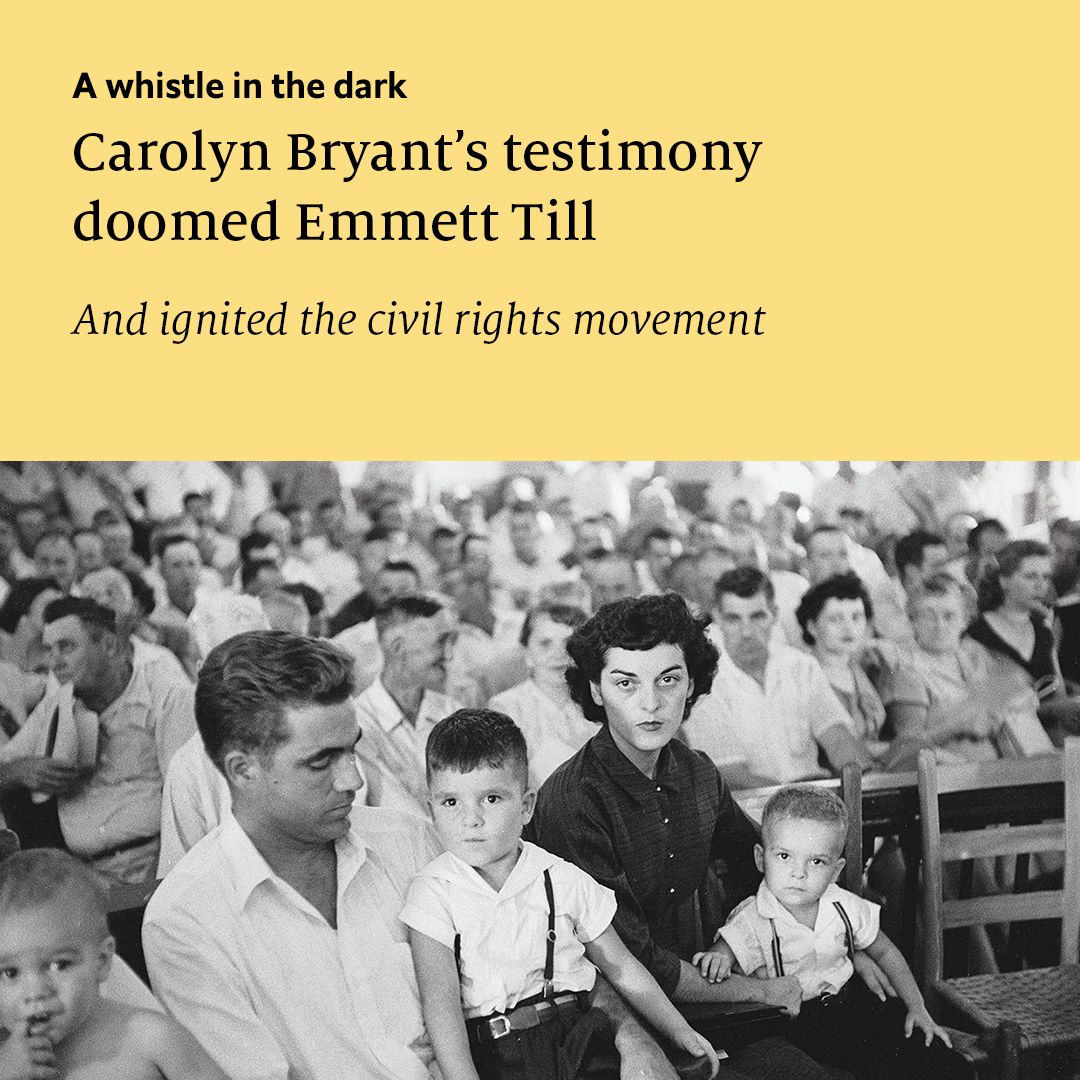
Remembering Carolyn Brant: The Mother of the Civil Rights Movement
The air was thick with emotion as hundreds gathered in a small church on a crisp autumn afternoon to bid farewell to Carolyn Brant. The service felt less like a funeral and more like a celebration of a life spent fighting for justice. Brant, often described as the unsung heroine of the Civil Rights Movement, had passed away peacefully at the age of 92, leaving behind a legacy that continues to inspire generations.
Carolyn Brant’s story is one of resilience, courage, and quiet determination. Born in rural Georgia during the height of Jim Crow segregation, she grew up witnessing firsthand the injustices that defined life for Black Americans in the South. Yet, instead of being crushed by the weight of systemic racism, Carolyn turned her pain into purpose. She became a force of nature—a woman who believed deeply in the power of collective action and the possibility of change.
Brant’s journey began in the 1930s, when she joined the NAACP as a teenager. At a time when many Black Americans were too afraid to speak out, Carolyn stood up for what was right. She worked tirelessly behind the scenes, organizing communities, advocating for voting rights, and supporting those who dared challenge segregation. Her work earned her the nickname “The Mother of the Civil Rights Movement,” a title that reflected both her maternal care for the movement and her pivotal role in shaping its early years.
One of Brant’s closest colleagues was Thurgood Marshall, then a young lawyer fighting against segregation. He later recalled how Carolyn’s organizing skills and unwavering commitment made him realize that the fight for civil rights was not just a legal battle but a deeply human one. “Carolyn understood that justice isn’t just about courtrooms,” he said in an interview years later. “It’s about people coming together to demand their humanity.”
Brant’s influence extended beyond the legal battles that would eventually lead to landmark Supreme Court decisions like Brown v. Board of Education. She was a key figure in the Montgomery Bus Boycott, working alongside Rosa Parks and Martin Luther King Jr. to organize the community and challenge racial segregation. While Parks is often remembered as the woman who sparked the boycott with her refusal to give up her bus seat, it was Carolyn who helped keep the movement alive—organizing carpools, fundraising, and offering support to those facing backlash.
Yet, despite her immense contributions, Carolyn Brant’s name is not one that immediately comes to mind when recounting the history of the Civil Rights Movement. She preferred to stay behind the scenes, preferring to let others take the spotlight. “I didn’t do what I did for recognition,” she often said. “I did it because it was the right thing to do.”
In her later years, Brant became a symbol of the movement’s enduring spirit. She continued to advocate for justice until her death, leaving behind a legacy that transcends time. As one attendee at her funeral remarked, Carolyn Brant’s life reminds us that true progress is not about individual heroism but about the collective effort of ordinary people willing to stand up for their rights.
Today, as we face new challenges—climate change, economic inequality, and racial injustice—we can draw inspiration from Carolyn Brant’s example. She showed us that even in the darkest moments, hope can be found in the strength of community and the unyielding belief in a better future. Her life serves as a reminder that justice is not a destination but a journey—one that requires courage, compassion, and an unwavering commitment to the principles of equality and human rights.
Carolyn Brant may no longer be with us, but her spirit lives on in those who continue to fight for a world where every person can live with dignity and respect. She was, as one friend put it, “a warrior for justice” whose legacy will forever inspire us to keep moving forward.
About the Author:
Carlos Rivera is Senior Correspondent at our publication. Award-winning reporter specializing in climate change and environmental policy. His work has taken him from the Amazon rainforest to polar regions, documenting the human impact of global warming.
 Bilingual journalist covering Middle Eastern politics and culture. Her reporting bridges the gap between local traditions and global trends, offering unique insights.
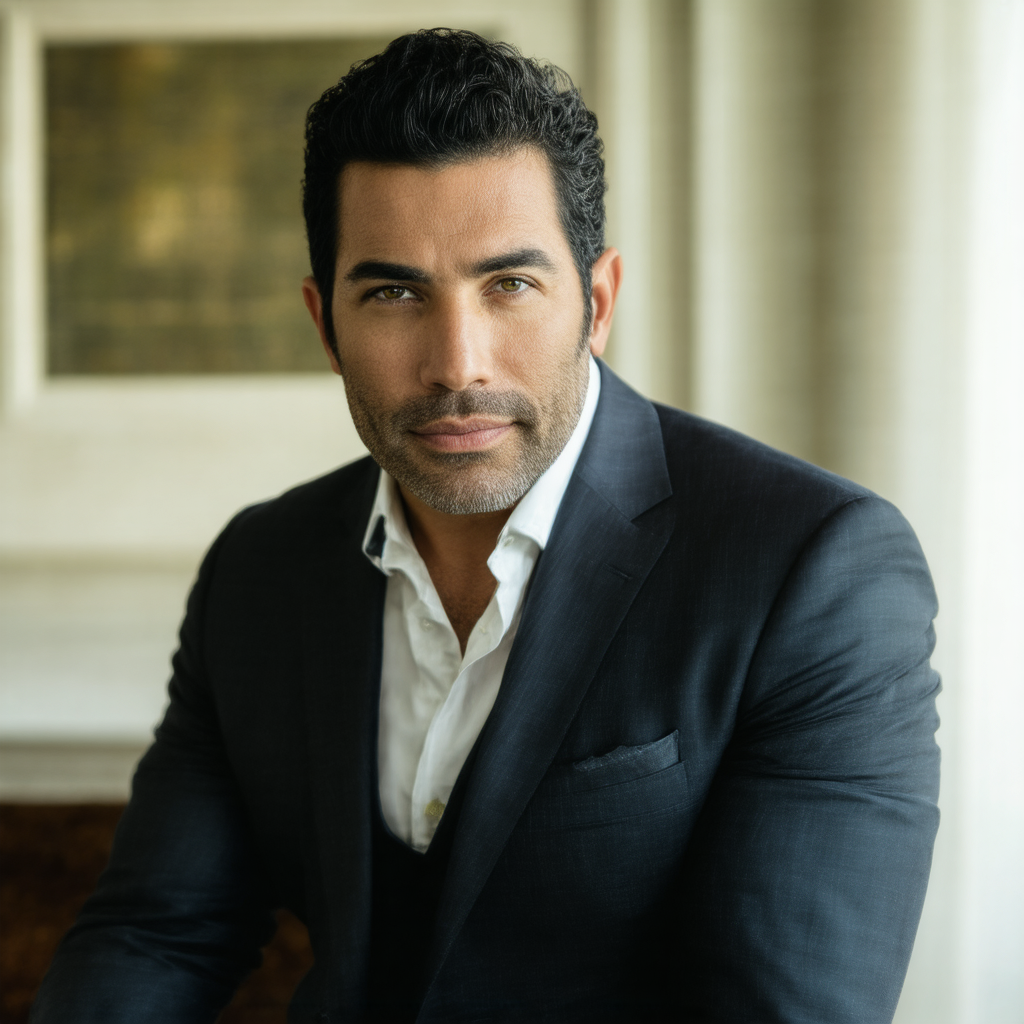 Award-winning reporter specializing in climate change and environmental policy. His work has taken him from the Amazon rainforest to polar regions, documenting the human impact of global warming.
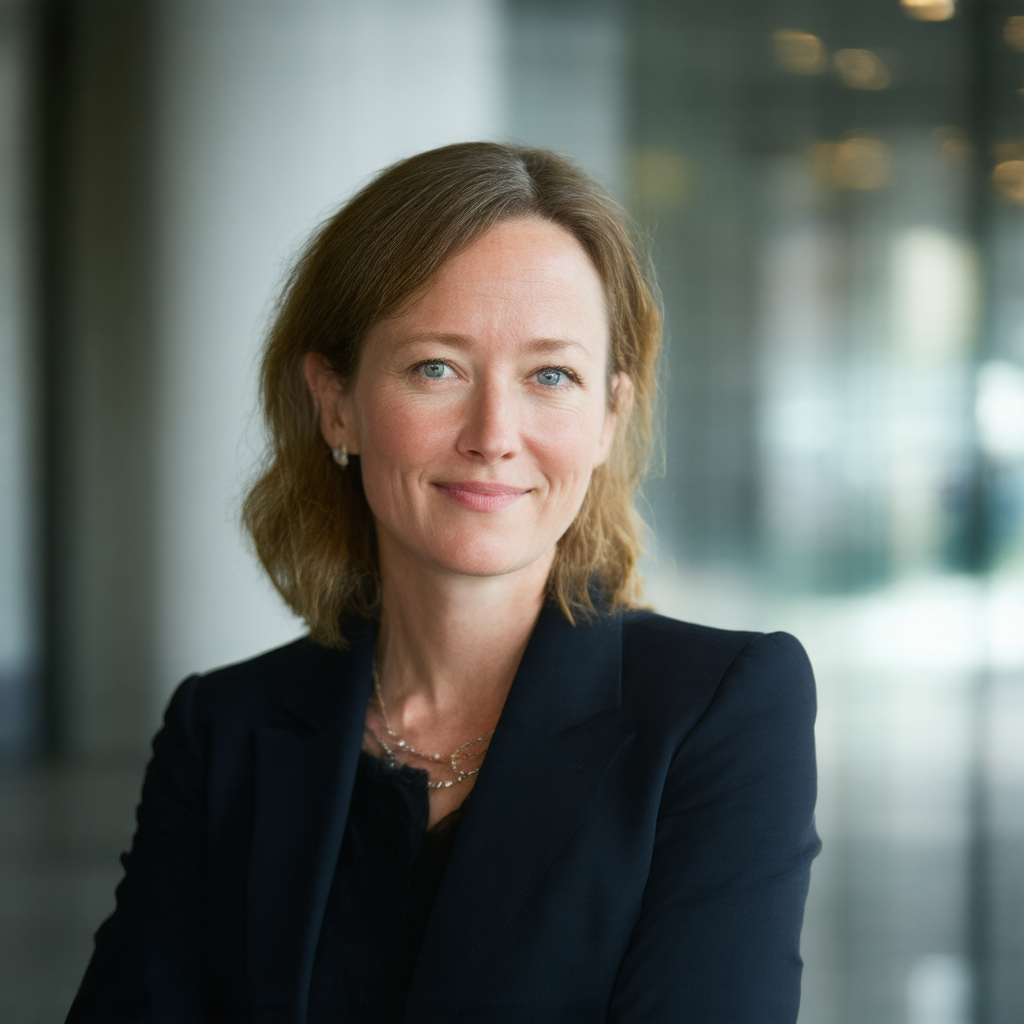 Veteran journalist with over 15 years of experience leading international news operations. Known for her visionary approach to storytelling and editorial strategy, Jane has guided award-winning investigations across continents.
 Tech and innovation reporter with a focus on the intersection of technology and society. Her work explores how advancements impact global communities and economies.
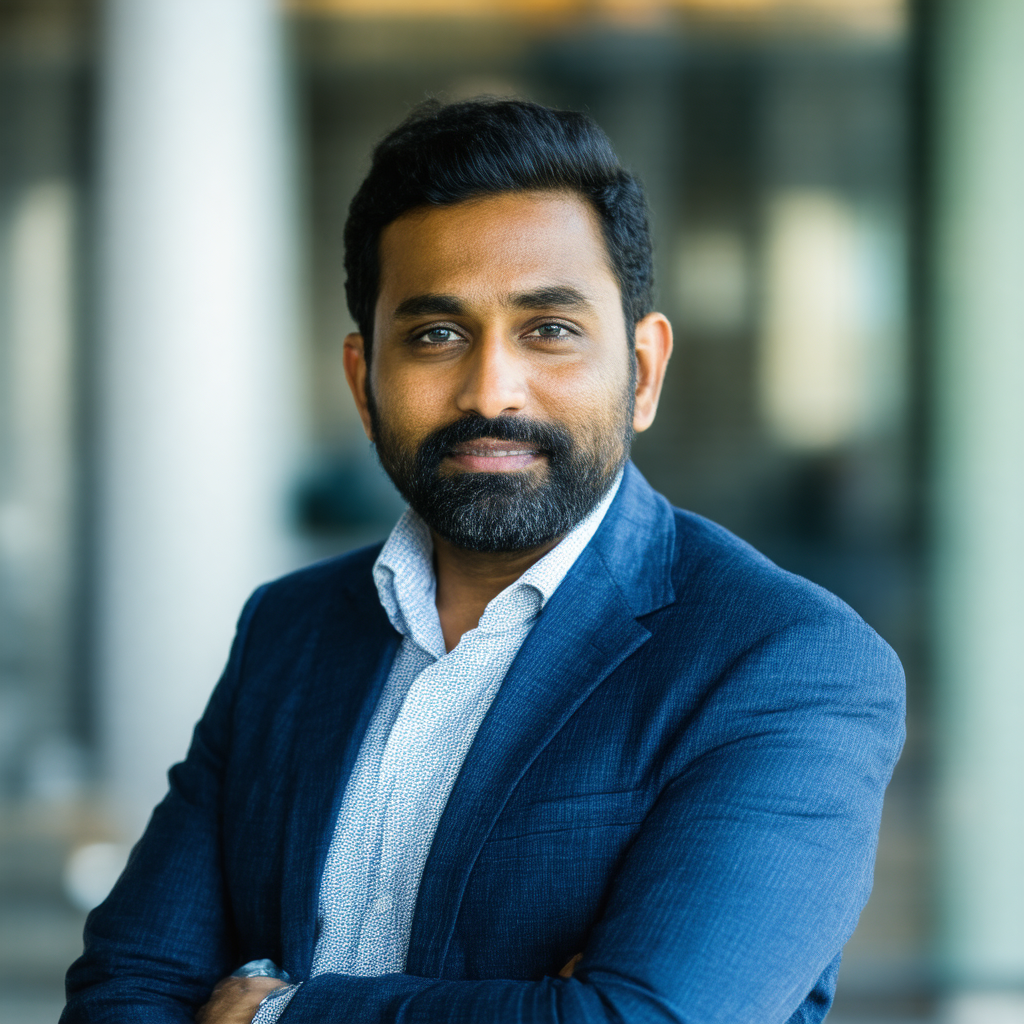 Urban affairs correspondent focusing on the challenges and opportunities of rapid urbanization. His work examines how cities shape and are shaped by global trends.