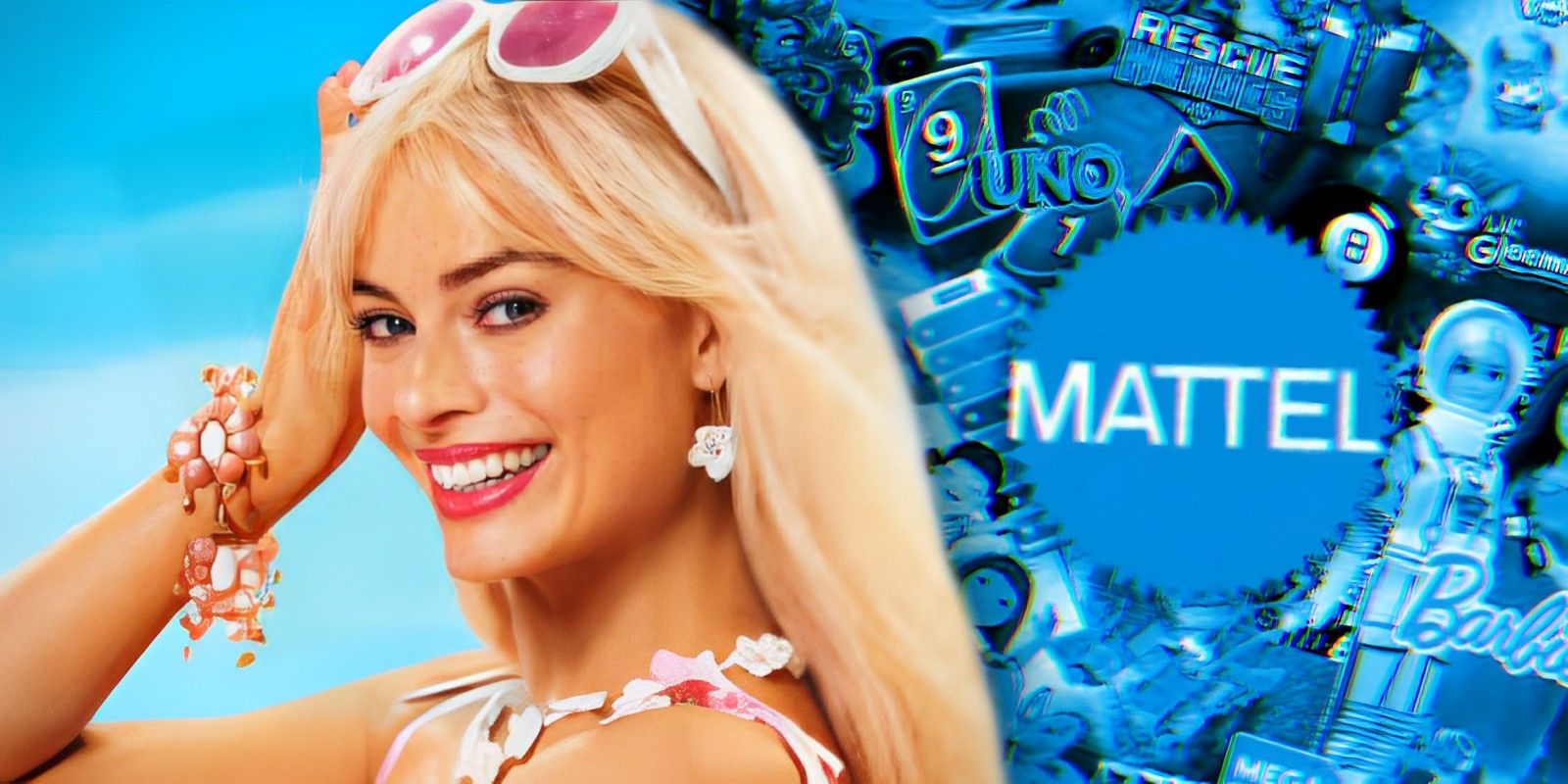
In a world where toys often reflect—and shape—the values of society, one of the most iconic figures in children’s entertainment is undergoing a quiet transformation. Barbie, the plastic-bodied star of countless playrooms and a cultural touchstone for generations, is no longer just a doll. She’s become a symbol of possibility—a gateway to conversations about identity, inclusion, and empowerment. And at the helm of this shift is her CEO, who seems to be asking a bigger question: What does it mean to build a universe where every child can see themselves reflected in the toys they play with?
For decades, Barbie has been a lightning rod for criticism, particularly when it comes to gender roles and body image. But in recent years, under the leadership of Margaret McLaughlin, the company has taken bold steps toward inclusivity. Newer lines of dolls now feature diverse skin tones, hair textures, and body types, alongside professions that challenge traditional norms—Barbie is a paleontologist, a computer engineer, even a mayor. These changes haven’t been without controversy, but they’ve also sparked a broader conversation about the role of play in shaping identity.
But McLaughlin’s vision goes beyond just representation. She’s looking toward a future where Barbie isn’t just a doll—but a platform for empowerment, both personal and societal. In interviews, she has hinted at a world where Barbie toys are not only diverse but also interactive, educational, and even political. Imagine a universe where children can explore different careers, solve global challenges, and engage with complex social issues—all through play.
This shift isn’t just about business strategy; it’s about redefining what it means to grow up in a rapidly changing world. As cities across the globe grapple with issues of inequality, migration, and technological disruption, toys like Barbie have the potential to be early interventions—helping children navigate these complexities long before they encounter them in real life.
But here’s the rub: creating such a universe isn’t easy. It requires not just creative vision but also a deep understanding of the challenges faced by children today. McLaughlin and her team are acutely aware that their toys don’t exist in a vacuum. They’re part of a larger ecosystem shaped by economic inequality, cultural stereotypes, and sometimes, outright bias.
Consider, for example, the barriers to access. In many parts of the world, including urban slums in South Asia or informal settlements in Southeast Asia, children may not even have access to toys like Barbie. Or if they do, those toys often reflect a narrow, Westernized view of the world—one that doesn’t account for their own experiences or identities.
This is where the challenge—and opportunity—comes into focus. Building a universe of empowerment means creating toys that are not only inclusive but also accessible. It means designing products that resonate with children from diverse backgrounds, while ensuring that those products are affordable and available to all.
But how? McLaughlin isn’t offering easy answers, but she is pointing toward a path forward. She’s emphasizing the importance of listening—to consumers, to experts, and to the communities where Barbie is played. She’s also investing in research and development, not just for new toys but for new ways of thinking about play.
In doing so, she’s joining a growing chorus of voices who see play as a powerful tool for social change. From tech startups developing educational games to NGOs using storytelling to combat stereotypes, the potential of play to shape minds—and societies—is becoming increasingly clear.
For Barbie, this means embracing its role as a global citizen. It means recognizing that the company’s toys aren’t just for American girls or European boys but for children everywhere. And it means taking responsibility for the messages those toys convey—messages that can either reinforce existing biases or help break them down.
The stakes are high. If done right, Barbie could become a force for good—a way to introduce children to the ideas of diversity, inclusion, and empowerment long before they encounter the often-harsh realities of the adult world. But if not, it risks becoming just another commodity in a world already saturated with them.
As McLaughlin ponders this universe of empowerment, she’s reminding us that play isn’t just about fun—it’s about possibility. And in a world where so many children are growing up in cities shaped by inequality and uncertainty, those possibilities can be life-changing.
The question now is: Will Barbie—and other toy companies—seize this opportunity? Or will they fall back on the same old formulas, content to churn out products that don’t challenge the status quo?
The answer may lie not just in the toys themselves but in the values of the people who make them. If McLaughlin and her team continue to prioritize inclusion and innovation, Barbie could become a beacon of hope for a new generation. But if they falter—if they lose sight of the bigger picture—the opportunity will slip away.
In the end, this isn’t just about dolls or CEO musings. It’s about the kind of world we’re creating—for children and for ourselves. And in that sense, Barbie’s journey is one worth watching—one where even a plastic doll can help shape a more equitable future.
About the Author:
Ravi Patel is Urban Affairs Editor at our publication. Urban affairs correspondent focusing on the challenges and opportunities of rapid urbanization. His work examines how cities shape and are shaped by global trends.
 Bilingual journalist covering Middle Eastern politics and culture. Her reporting bridges the gap between local traditions and global trends, offering unique insights.
 Award-winning reporter specializing in climate change and environmental policy. His work has taken him from the Amazon rainforest to polar regions, documenting the human impact of global warming.
 Veteran journalist with over 15 years of experience leading international news operations. Known for her visionary approach to storytelling and editorial strategy, Jane has guided award-winning investigations across continents.
 Tech and innovation reporter with a focus on the intersection of technology and society. Her work explores how advancements impact global communities and economies.
 Urban affairs correspondent focusing on the challenges and opportunities of rapid urbanization. His work examines how cities shape and are shaped by global trends.