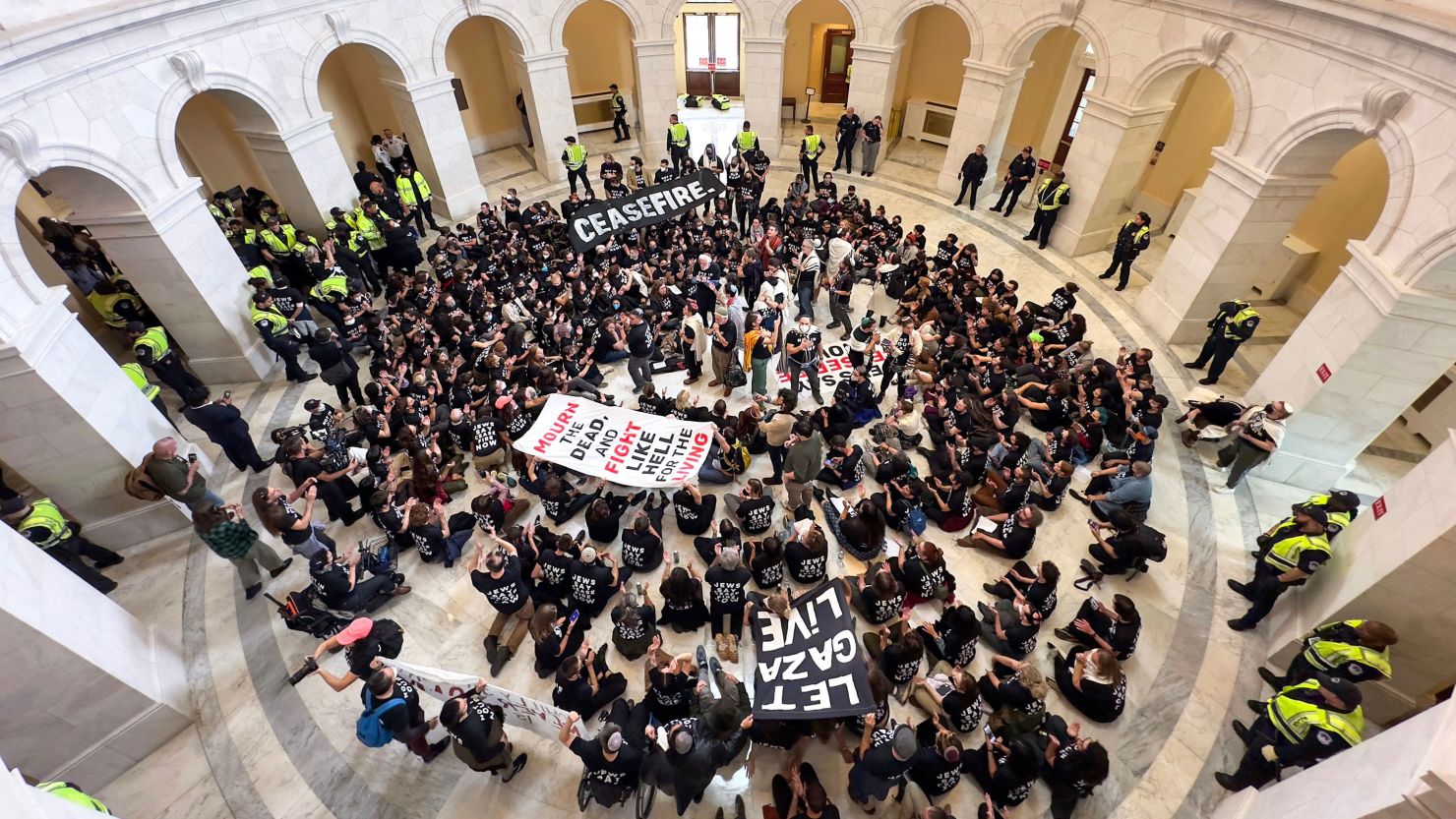
In the heart of Israel/Palestine, where the land is as scarred by conflict as it is nourished by ancient traditions, a quiet revolution is unfolding. Amid the headlines of tension and division, a growing chorus of voices—Israeli, Palestinian, and those who call this region home—are daring to envision a future rooted in mutual respect, coexistence, and shared humanity.
The air here carries the scent of olive groves and the promise of spring, yet it is also thick with the weight of history. The divide between Israelis and Palestinians is deep, but so too is the desire for peace—a yearning that transcends borders, checkpoints, and political rhetoric. This is a story not of what separates us, but of what unites us.
A Shared Homeland
In a small village in the West Bank, an Israeli farmer and a Palestinian shepherd share land that has been part of their families for generations. Their collaboration isn’t without its challenges—there are mistrust, misunderstandings, and moments of tension. Yet, year after year, they work together to tend to the fields, ensuring that the olive trees thrive and the land remains fertile.
“This is our home,” says the farmer, his voice steady with conviction. “It doesn’t matter what politics say; the ground we stand on is shared. We have no choice but to work together if we want this land to survive.”
Their partnership is a microcosm of a larger movement: one where people are putting aside differences to focus on what matters most—family, community, and survival.
The Power of Grassroots
In Tel Aviv, a group of young activists from both sides have come together to form a unique coalition. They call themselves Seeds of Peace, and their mission is simple: to plant the seeds of understanding in a land often consumed by conflict. Through workshops, community projects, and cultural exchanges, they are building bridges where walls once stood.
One member, a Palestinian woman who grew up in East Jerusalem, recalls her first encounter with an Israeli participant. “I was nervous, afraid that our differences would overshadow us,” she says. “But when we started talking about what we wanted for our children—a safe future, access to education, the freedom to love and create—those fears melted away.”
Their efforts are modest but powerful. They organize art exhibitions where Palestinian and Israeli artists collaborate on pieces that reflect their shared experiences. They host interfaith dinners, breaking bread together in a gesture of solidarity. And they march side by side in protests against occupation and violence, demanding a future where peace is not an illusion but a possibility.
Breaking the Cycle
The cycle of violence has left deep scars on this land, but it doesn’t have to be the defining narrative. In Hebron, a city torn apart by conflict, a group of mothers from both communities have come together to form Women for Peace. They meet regularly to share stories, support each other, and advocate for an end to the violence that threatens their children’s futures.
One mother, an Israeli whose son serves in the military, speaks with raw emotion. “I don’t want my child to grow up thinking that the only way to live is through fear and division,” she says. “I want him to see the world as it could be—a place where love and hope can still exist.”
Her Palestinian counterpart nods in agreement. “We are mothers first,” she adds. “Our children deserve more than this. They deserve a chance to grow up without the weight of hate.”
A Future Beyond Division
The path to peace is long, winding, and fraught with obstacles. But as these stories remind us, it is not impossible. The voices calling for reconciliation are often quiet, their efforts unheralded, but they are no less powerful for it.
In a world where conflict seems inescapable, the lessons from this land are clear: peace begins not with grand gestures or political deals, but with small acts of courage, kindness, and collaboration. It begins with recognizing that we are all human—vulnerable, hopeful, and deserving of a future free from fear.
As the sun sets over the Judean Hills, casting long shadows across the land, one thing becomes clear: the divide between Israelis and Palestinians is not as deep as it seems. Beneath the surface lies a shared humanity—a yearning for love, for hope, and for a world where peace is not a distant dream but a lived reality.
In this land of contrasts, where ancient traditions meet modern struggles, one truth remains: we are all children of this earth, bound together by the ties that cannot be severed. And it is only by embracing our shared humanity that we can begin to build a future beyond division—a future worth fighting for.
About the Author:
Carlos Rivera is Senior Correspondent at our publication. Award-winning reporter specializing in climate change and environmental policy. His work has taken him from the Amazon rainforest to polar regions, documenting the human impact of global warming.
 Bilingual journalist covering Middle Eastern politics and culture. Her reporting bridges the gap between local traditions and global trends, offering unique insights.
 Award-winning reporter specializing in climate change and environmental policy. His work has taken him from the Amazon rainforest to polar regions, documenting the human impact of global warming.
 Veteran journalist with over 15 years of experience leading international news operations. Known for her visionary approach to storytelling and editorial strategy, Jane has guided award-winning investigations across continents.
 Tech and innovation reporter with a focus on the intersection of technology and society. Her work explores how advancements impact global communities and economies.
 Urban affairs correspondent focusing on the challenges and opportunities of rapid urbanization. His work examines how cities shape and are shaped by global trends.