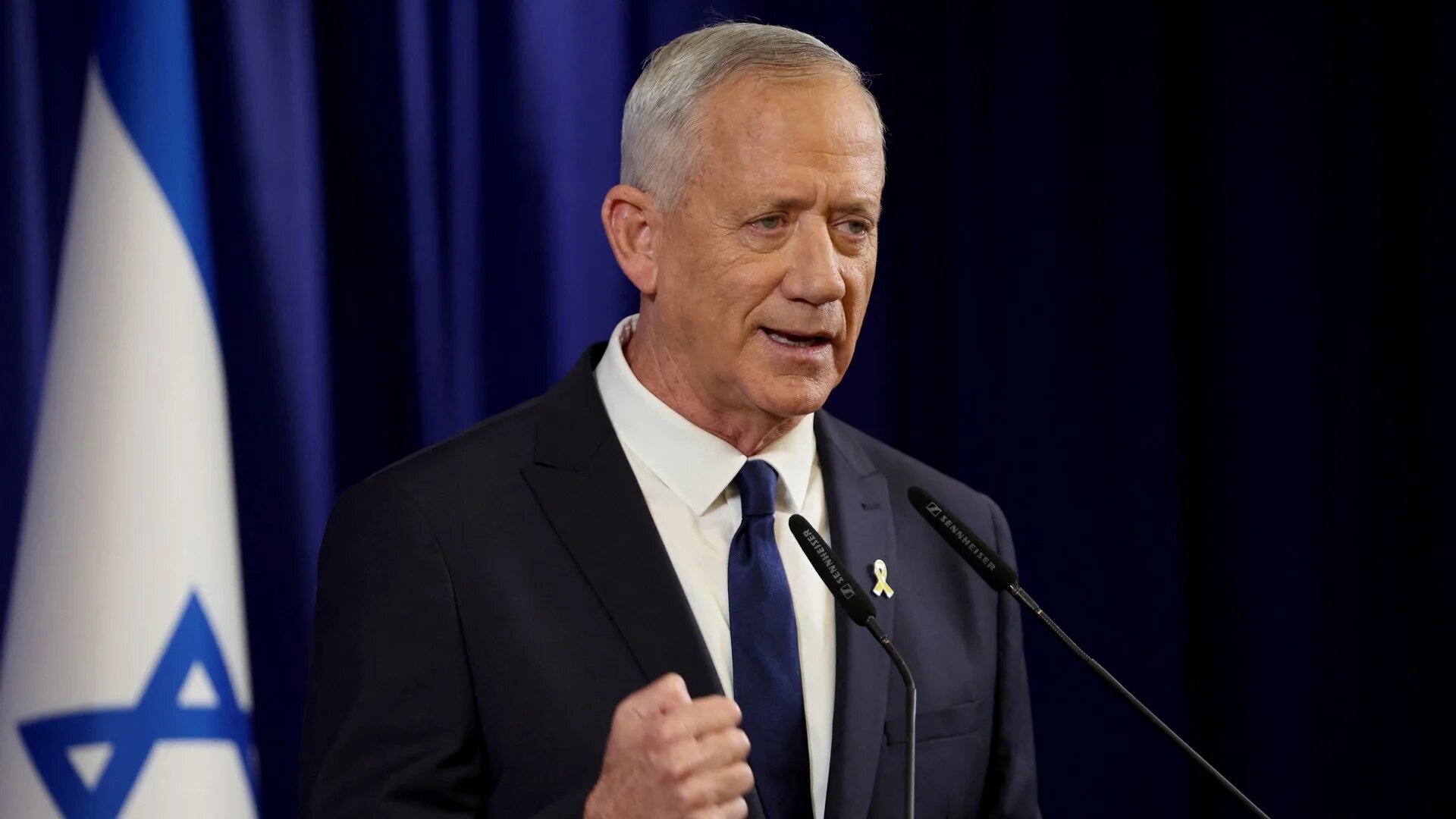
The Gaza Strip, a sliver of land squeezed between Israel, Egypt, and the Mediterranean Sea, has long been a symbol of resilience and suffering. Its 2 million residents endure one of the world’s most dire humanitarian crises, a product of decades of conflict, blockades, and political divisions. But last week, an unexpected twist in Israeli politics cast new attention on this beleaguered territory—and raised hopes, however faint, for change.
An Israeli minister vowed to resign unless Gaza’s future is just—a pledge that has sent shockwaves through the halls of power in Jerusalem and beyond. The minister, a vocal advocate for peace and justice within the government, argued that Israel cannot continue its current approach toward Gaza without violating its own principles of equality and human dignity. “If we are to claim the high ground of morality,” the minister declared during a tense parliamentary debate, “we must ensure that Gaza’s future is just—not as a favor, but as a matter of right.”
The announcement came at a time when tensions between Israel and Hamas, the governing authority in Gaza, have reached new heights. Earlier this year, deadly escalations in violence left scores dead on both sides, reigniting debates over whether peace is even possible—or if the cycle of conflict will continue indefinitely. But this minister’s stance has introduced a new angle to the conversation: not just the mechanics of diplomacy or military strategy, but the moral imperative to address the root causes of Gaza’s suffering.
For decades, Gaza has been caught in a web of political and economic crises. The territory has been under Israeli blockade since 2007, when Hamas took control following a violent power struggle with Fatah, the rival Palestinian faction. The divide between the two groups has left Gaza isolated, its economy shattered, and its people trapped. According to recent reports from humanitarian organizations, over 60% of Gaza’s population lives below the poverty line, while unemployment rates hover around 50%. The situation is so dire that even basic necessities like clean water and healthcare are often out of reach.
Yet, despite these challenges, the minister’s vow has sparked a rare glimmer of hope—not just for Gaza’s residents, but for those who believe in the possibility of peace. “This isn’t about politics,” the minister said in a subsequent press conference. “It’s about justice. It’s about recognizing that the status quo is unsustainable, and that we have a moral obligation to address it.”
The minister’s words have resonated with many inside Israel and beyond—though not all. Critics argue that such a stance is naïve or even dangerous, given the current political climate. “We cannot afford to be sentimental when national security is at stake,” one prominent politician told a local newspaper. “Gaza will always be a threat unless we take decisive action.”
But supporters of the minister’s position see it as a long-overdue acknowledgment of the moral dimensions of Israel’s policies. For years, they say, the focus has been on military and political calculations—on how to protect Israeli lives while managing the complexities of Gaza. But rarely have officials publicly acknowledged the ethical imperative to address the suffering of Gaza’s people.
As the minister prepares to make good on their promise, many are left wondering: will this be a turning point? Will it lead to meaningful steps toward justice and peace in Gaza, or is it just political theatre?
For now, the minister remains steadfast. “I believe that true security,” they said, “cannot be achieved without justice—both for Israelis and Palestinians.” Whether that vision translates into action remains to be seen. But in a world where so many conflicts seem intractable, the minister’s words offer a rare reminder of what could be at stake: not just the future of Gaza, but the soul of a nation.
And perhaps, if justice prevails, a path toward peace.
About the Author:
Tom O’Connor is Economy Editor at our publication. Economist turned journalist, Tom specializes in global economic inequality and its impact on social structures. His work is both analytical and deeply human.
 Bilingual journalist covering Middle Eastern politics and culture. Her reporting bridges the gap between local traditions and global trends, offering unique insights.
 Award-winning reporter specializing in climate change and environmental policy. His work has taken him from the Amazon rainforest to polar regions, documenting the human impact of global warming.
 Veteran journalist with over 15 years of experience leading international news operations. Known for her visionary approach to storytelling and editorial strategy, Jane has guided award-winning investigations across continents.
 Tech and innovation reporter with a focus on the intersection of technology and society. Her work explores how advancements impact global communities and economies.
 Urban affairs correspondent focusing on the challenges and opportunities of rapid urbanization. His work examines how cities shape and are shaped by global trends.