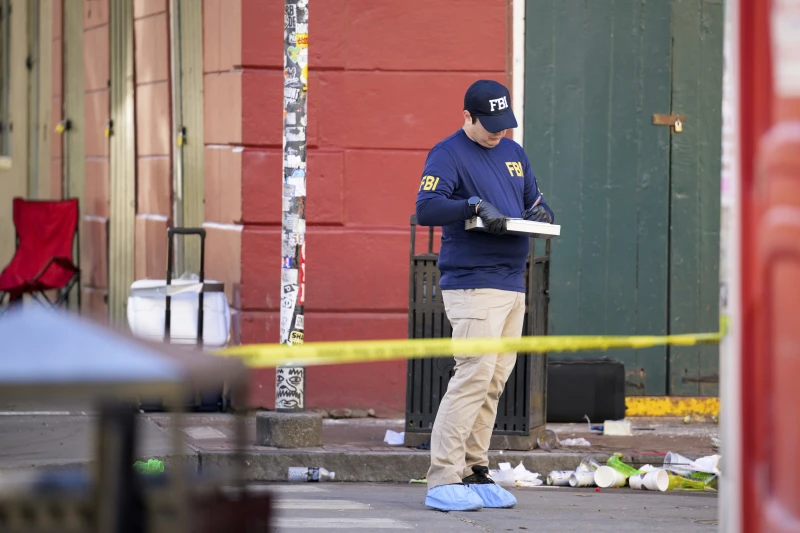
In a small, dusty village perched on the edge of a sprawling desert, 15 lives were lost this summer—a stark reminder of the human toll exacted by inequality. The tragedy unfolded along a path that has long been marked by neglect, where the marginalized are forced to bear the brunt of systemic failures and environmental crises. This is not just a story of loss; it is a story of injustice, of how structural inequities have turned a once-thriving community into a fragile shadow of its former self.
The village lies in a region where the land has been stripped bare by decades of extractive industries, leaving behind a desolate landscape. The air is thick with dust, and water is scarce—a commodity that has become a luxury for those who can afford it. The 15 lives lost were part of a larger struggle for survival, a struggle that has been compounded by climate change, economic policies favoring the few over the many, and a lack of political will to address these systemic issues.
For years, this community has been advocating for change, raising their voices in the face of corporate greed and governmental apathy. They have spoken out against the destruction of their natural resources, the erosion of their livelihoods, and the failure to provide basic services like clean water and healthcare. But their calls have often fallen on deaf ears.
The tragedy that unfolded this summer was not an isolated event. It was the culmination of a series of interconnected crises: climate change, economic inequality, and social exclusion. The villagers had no choice but to walk along the path of least resistance, a path that led them straight into harm’s way. They were forced to navigate a world where the rules are written by those who have the most, leaving the rest of us to pick up the pieces.
Inequalities are not accidents; they are born of deliberate choices—choices made by policymakers, corporate executives, and world leaders. This village is a microcosm of a global system that perpetuates suffering for the sake of profit. The 15 lives lost remind us that behind every statistic, every headline, there is a human story—a family torn apart, a community left to grieve.
But this is not just a tale of despair. It is also a call to action. We must demand accountability from those who have contributed to this tragedy. We must advocate for policies that prioritize people over profit, that address the root causes of inequality and climate change. And we must remember that justice is not optional—it is a necessity.
As we mourn the 15 lives lost, let us also commit ourselves to building a world where such tragedies become a thing of the past. A world where no one has to walk down the path of least resistance because there are pathways of hope and equality available to all.
About the Author:
Carlos Rivera is Senior Correspondent at our publication. Award-winning reporter specializing in climate change and environmental policy. His work has taken him from the Amazon rainforest to polar regions, documenting the human impact of global warming.
 Bilingual journalist covering Middle Eastern politics and culture. Her reporting bridges the gap between local traditions and global trends, offering unique insights.
 Award-winning reporter specializing in climate change and environmental policy. His work has taken him from the Amazon rainforest to polar regions, documenting the human impact of global warming.
 Veteran journalist with over 15 years of experience leading international news operations. Known for her visionary approach to storytelling and editorial strategy, Jane has guided award-winning investigations across continents.
 Tech and innovation reporter with a focus on the intersection of technology and society. Her work explores how advancements impact global communities and economies.
 Urban affairs correspondent focusing on the challenges and opportunities of rapid urbanization. His work examines how cities shape and are shaped by global trends.