Green Hydrogen: Australia’s Sustainable Future
In the quest for sustainable energy solutions, green hydrogen emerges as a promising avenue, with Australia poised to lead the way. This article delves into the intricacies of green hydrogen production, economic viability, international partnerships, and the broader implications for industries and the environment.
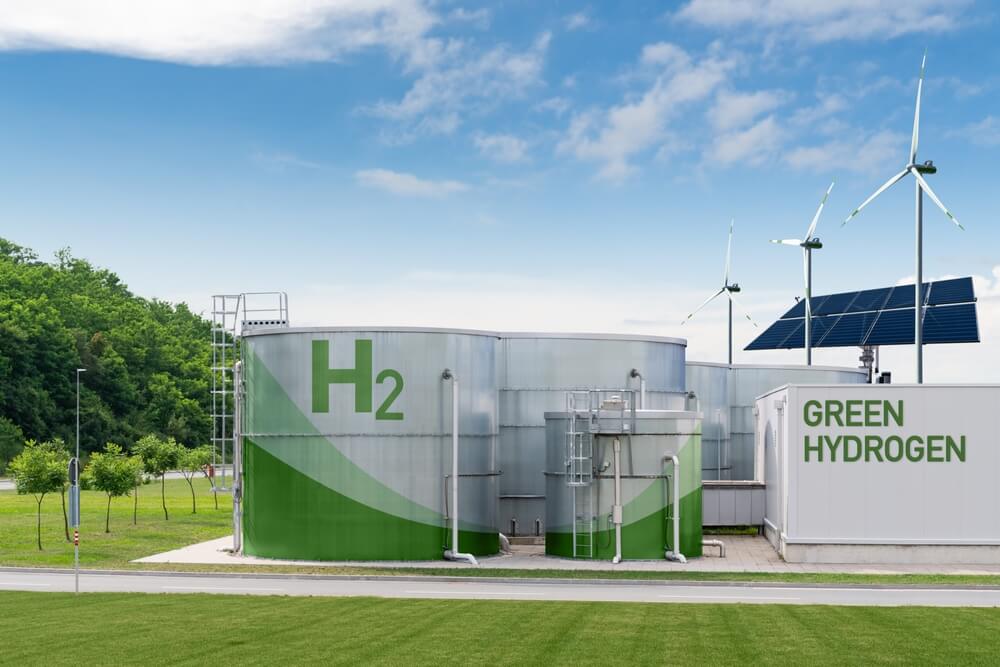
Understanding Green Hydrogen Production Green hydrogen is produced through electrolysis using renewable energy sources like solar or wind. This process splits water into hydrogen and oxygen, ensuring an emissions-free outcome. Australia’s abundant natural resources provide a conducive environment for large-scale production, though challenges such as infrastructure development remain.
Economic Viability and Challenges While Australia’s sunshine and wind offer cost-effective energy generation, scaling up production requires significant investment in infrastructure. Initial demand might be limited, necessitating strategic planning to ensure economic sustainability. The feasibility of transportation methods, such as liquefaction, is crucial for export success, particularly with partner countries like Japan and Germany.
Job Creation and Government Incentives The transition to green hydrogen promises job creation across various sectors, from engineering to logistics, revitalizing regional economies. Government incentives, including subsidies and tax breaks, are pivotal in kickstarting this industry. However, a phased withdrawal strategy is essential to prevent dependency and ensure efficient resource allocation.
Decarbonization of Industries Green hydrogen holds the key to decarbonizing hard-to-electrify sectors like steelmaking and shipping. While immediate steps may be limited, this long-term strategy aims to significantly reduce carbon footprints, aligning with global sustainability goals.
Global Position and Environmental Considerations Australia’s unique positioning, leveraging its renewable resources, sets it apart from other nations investing in green hydrogen. However, the environmental impact beyond production must be considered, including potential hydrogen leakage and the decommissioning of fossil fuel infrastructure.
Workforce Transition and Public Awareness Retraining programs for transitioning workers are essential to ensure inclusivity in this new industry landscape. Public education campaigns tailored to different regions will foster awareness and support, crucial for the initiative’s success.
In conclusion, Australia’s green hydrogen strategy offers a multifaceted approach to sustainability, encompassing economic growth, environmental conservation, and social equity. Addressing challenges like technological hurdles and market fluctuations will be key to realizing its full potential.
About the Author:
Fiona Hart is Chief Editor at our publication. Veteran journalist with over 15 years of experience leading international news operations. Known for her visionary approach to storytelling and editorial strategy, Jane has guided award-winning investigations across continents.
 Bilingual journalist covering Middle Eastern politics and culture. Her reporting bridges the gap between local traditions and global trends, offering unique insights.
 Award-winning reporter specializing in climate change and environmental policy. His work has taken him from the Amazon rainforest to polar regions, documenting the human impact of global warming.
 Veteran journalist with over 15 years of experience leading international news operations. Known for her visionary approach to storytelling and editorial strategy, Jane has guided award-winning investigations across continents.
 Tech and innovation reporter with a focus on the intersection of technology and society. Her work explores how advancements impact global communities and economies.
 Urban affairs correspondent focusing on the challenges and opportunities of rapid urbanization. His work examines how cities shape and are shaped by global trends.