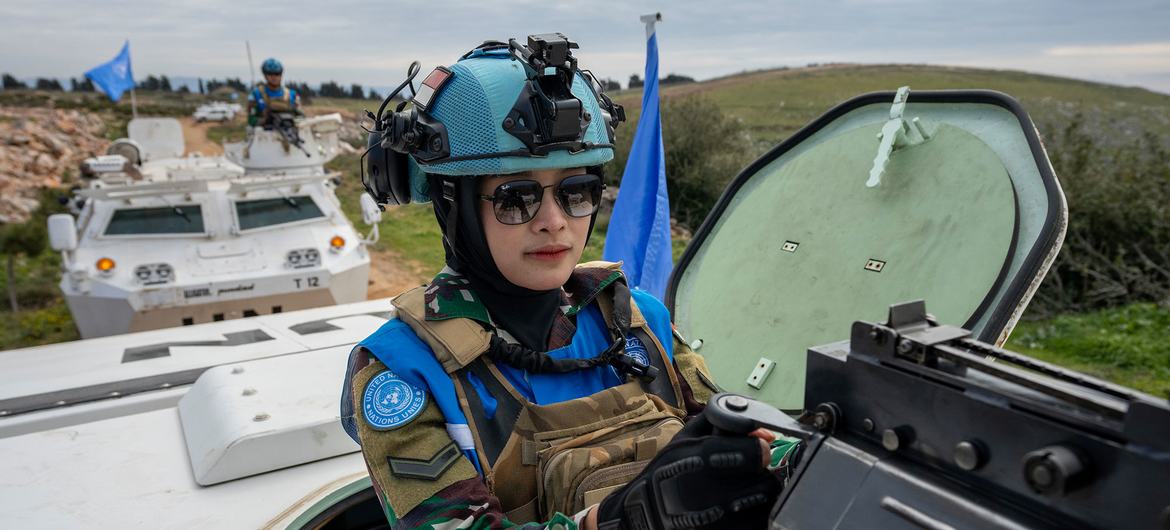
The UN peacekeepers in South Lebanon had grown accustomed to the quiet hum of their routine. Their presence, a symbol of fragile stability, had been a constant in the region for decades. But on that fateful morning, the familiar sounds of the village were replaced by the thunderous roar of Israeli tanks rolling through the streets. The peacekeepers, mandated to monitor the Blue Line separating Lebanon from Israel, found themselves caught in the crossfire of a conflict they had long worked to prevent.
The invasion began abruptly, with little warning. Israeli forces, citing self-defense and responding to alleged Hezbollah attacks, launched a full-scale offensive into South Lebanon. For days, the region was subjected to relentless bombardment, as warplanes circled overhead and ground troops advanced, leaving destruction in their wake. The peacekeepers, who had maintained a delicate balance between the warring factions for years, were now forced to retreat.
The evacuation of UNIFIL (United Nations Interim Force in Lebanon) personnel marked a stark reversal of decades of diplomatic efforts. Established in 1978 after the Lebanese Civil War, UNIFIL had been a cornerstone of regional stability, patrolling the Blue Line and ensuring compliance with Security Council Resolution 242. But as tensions escalated, even the most seasoned peacekeepers could not stem the tide of violence.
Amid the chaos, local communities bore the brunt of the conflict. Villagers were forced to flee their homes, leaving behind livelihoods, possessions, and decades of hard work. Schools were shuttered, medical care became scarce, and the specter of displacement loomed over thousands of families. The once-thriving markets of Tyre and Sidon emptied out as fear gripped the region.
International reactions were mixed. While some countries condemned the Israeli incursion, others remained silent, perhaps hesitant to criticize an ally in a volatile region. The Security Council convened emergency sessions, but resolutions were slow to materialize, leaving many to wonder if diplomacy had failed yet again.
The forced departure of UN peacekeepers highlighted a deeper crisis: the erosion of international consensus on conflict resolution and the growing reliance on military action over dialogue. As the world watched, the fragile truce that had held for years crumbled under the weight of political brinkmanship and escalating violence.
In the days following the invasion, the region was left in limbo. The absence of UNIFIL patrols signaled a breakdown not just of peacekeeping efforts but of international norms themselves. The people of South Lebanon, already scarred by decades of conflict, faced an uncertain future.
Yet amidst the despair, there were glimmers of hope. Grassroots organizations sprang into action, offering aid and advocating for peace. Exiled Lebanese returned to their homeland, determined to rebuild what had been lost. And though the path ahead was fraught with challenges, the resilience of the people offered a reminder that even in the darkest times, hope can endure.
The lessons of South Lebanon were clear: peacekeeping is not merely about deploying troops; it requires sustained political will, unwavering commitment to dialogue, and a collective recognition of the value of diplomacy over force. As the world grappled with the fallout of this latest crisis, one thing remained certain: the road to lasting peace would be long, but it was worth fighting for.
About the Author:
Emily Zhang is Health Editor at our publication. Data journalist with a focus on global health and infectious diseases. Her work uses data to tell stories about public health challenges around the world.
 Bilingual journalist covering Middle Eastern politics and culture. Her reporting bridges the gap between local traditions and global trends, offering unique insights.
 Award-winning reporter specializing in climate change and environmental policy. His work has taken him from the Amazon rainforest to polar regions, documenting the human impact of global warming.
 Veteran journalist with over 15 years of experience leading international news operations. Known for her visionary approach to storytelling and editorial strategy, Jane has guided award-winning investigations across continents.
 Tech and innovation reporter with a focus on the intersection of technology and society. Her work explores how advancements impact global communities and economies.
 Urban affairs correspondent focusing on the challenges and opportunities of rapid urbanization. His work examines how cities shape and are shaped by global trends.