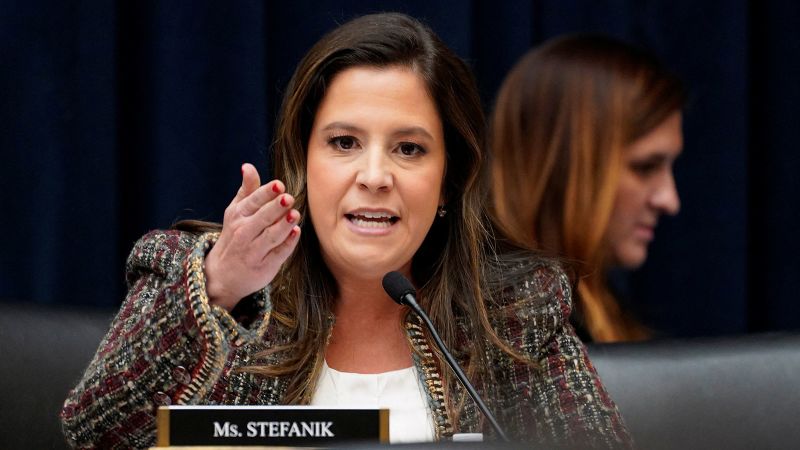
Elise Stefanik Questions UN Bias on Israel and Hamas Conflict
In a recent address at the United Nations, Elise Stefanik, a prominent voice in global diplomacy, raised critical questions regarding the organization’s stance on the ongoing conflict between Israel and Hamas. Her remarks sparked a heated debate, underscoring the complexities of the situation and the need for impartiality.
The conflict between Israel and Hamas has raged for months, resulting in immense human suffering. Thousands have lost their lives, and countless more have been displaced. The humanitarian crisis has drawn global attention, with calls for peace and justice echoing worldwide. Amidst this turmoil, the role of international bodies like the UN becomes pivotal, yet Stefanik’s critique highlights potential biases that could undermine efforts toward resolution.
Stefanik emphasized the importance of unbiased mediation, suggesting that any perceived bias could hinder progress toward peace. She pointed to historical precedents where imbalance in international diplomacy has led to prolonged conflicts and divisions. “The UN must ensure its actions are guided by principles of equality and justice,” she stated, urging a review of past decisions to prevent future missteps.
Examining the conflict, it’s clear that both sides face intricate challenges. Israel, defending its sovereignty against Hamas’ militant activities, has faced accusations of overstepping international law. Conversely, Hamas’ refusal to recognize Israel’s right to exist has prolonged the conflict, complicating peace negotiations. The UN’s role in facilitating dialogue and enforcing resolutions is crucial, yet any appearance of bias risks alienating either party.
Stefanik’s critique also touches on the broader implications for global diplomacy. In an era where conflicts are increasingly intertwined with technological advancements—such as cyber warfare and information control—the need for unbiased arbitration becomes even more pressing. The UN must navigate not only traditional diplomatic challenges but also emerging tech-related issues that can escalate tensions.
The human toll of this conflict is undeniable, with civilians bearing the brunt. Children, in particular, have suffered greatly, their lives disrupted by violence and uncertainty. Stefanik’s speech serves as a reminder to focus on the humanity at the heart of this crisis, urging all parties to prioritize peaceful solutions over division.
In conclusion, while the path to peace is fraught with obstacles, the UN’s commitment to impartiality is essential for fostering dialogue and resolution. By addressing any perceived biases and ensuring its actions are guided by justice and equality, the organization can play a vital role in ending this devastating conflict and preventing similar crises in the future.
About the Author:
Tom O’Connor is Economy Editor at our publication. Economist turned journalist, Tom specializes in global economic inequality and its impact on social structures. His work is both analytical and deeply human.
 Bilingual journalist covering Middle Eastern politics and culture. Her reporting bridges the gap between local traditions and global trends, offering unique insights.
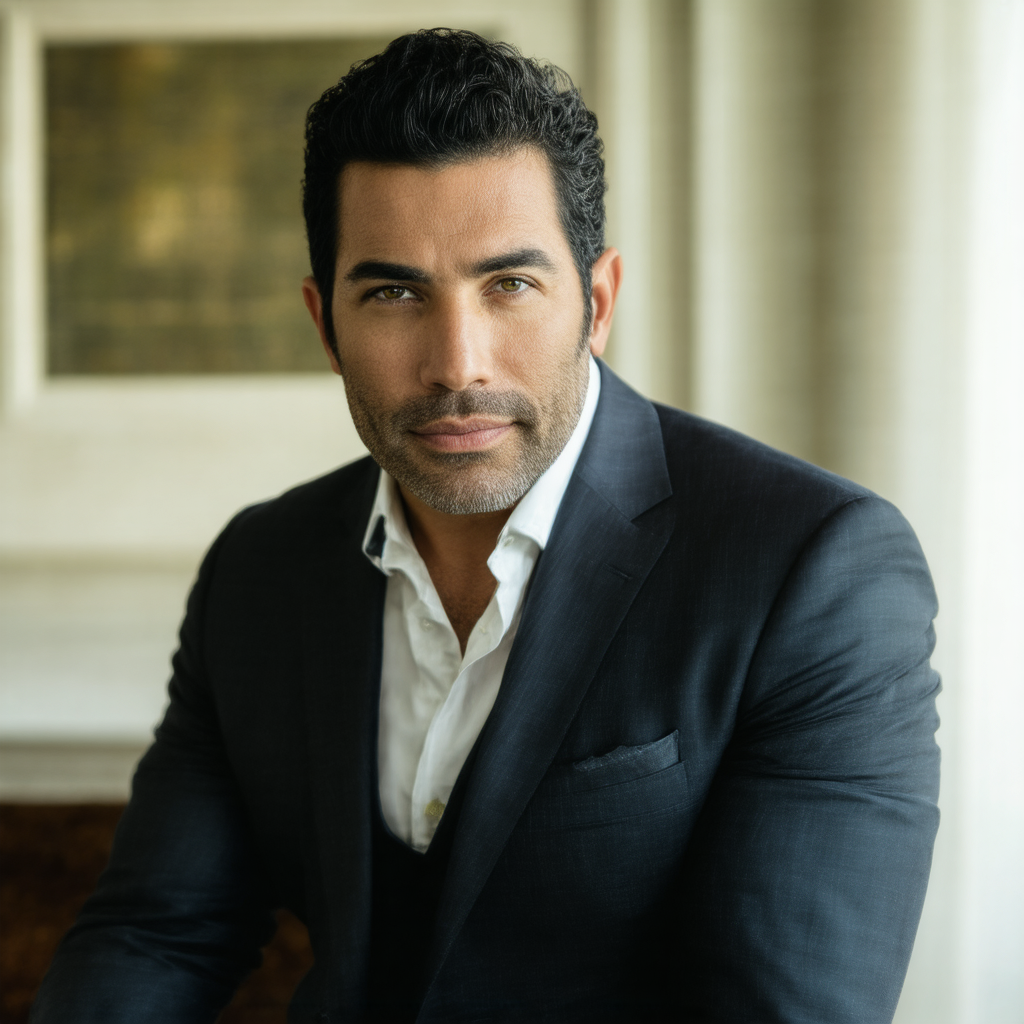 Award-winning reporter specializing in climate change and environmental policy. His work has taken him from the Amazon rainforest to polar regions, documenting the human impact of global warming.
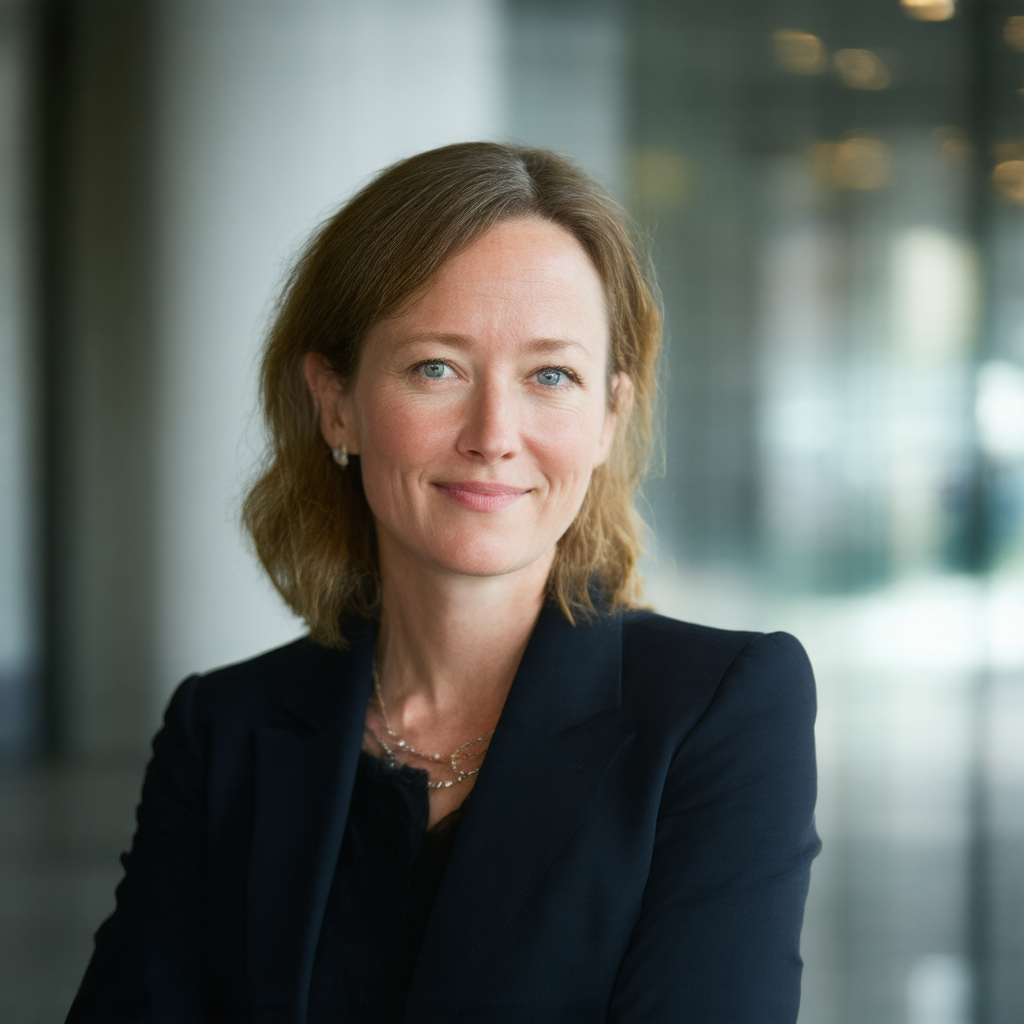 Veteran journalist with over 15 years of experience leading international news operations. Known for her visionary approach to storytelling and editorial strategy, Jane has guided award-winning investigations across continents.
 Tech and innovation reporter with a focus on the intersection of technology and society. Her work explores how advancements impact global communities and economies.
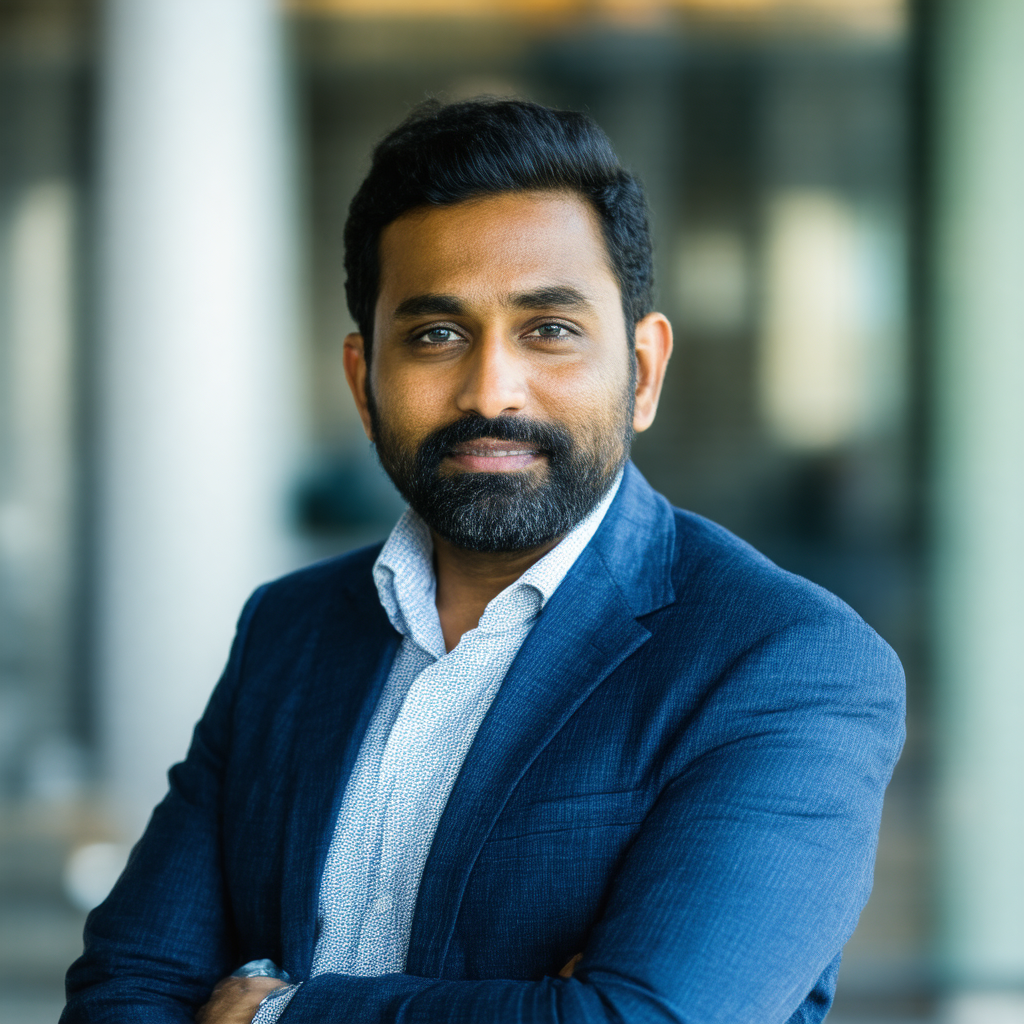 Urban affairs correspondent focusing on the challenges and opportunities of rapid urbanization. His work examines how cities shape and are shaped by global trends.