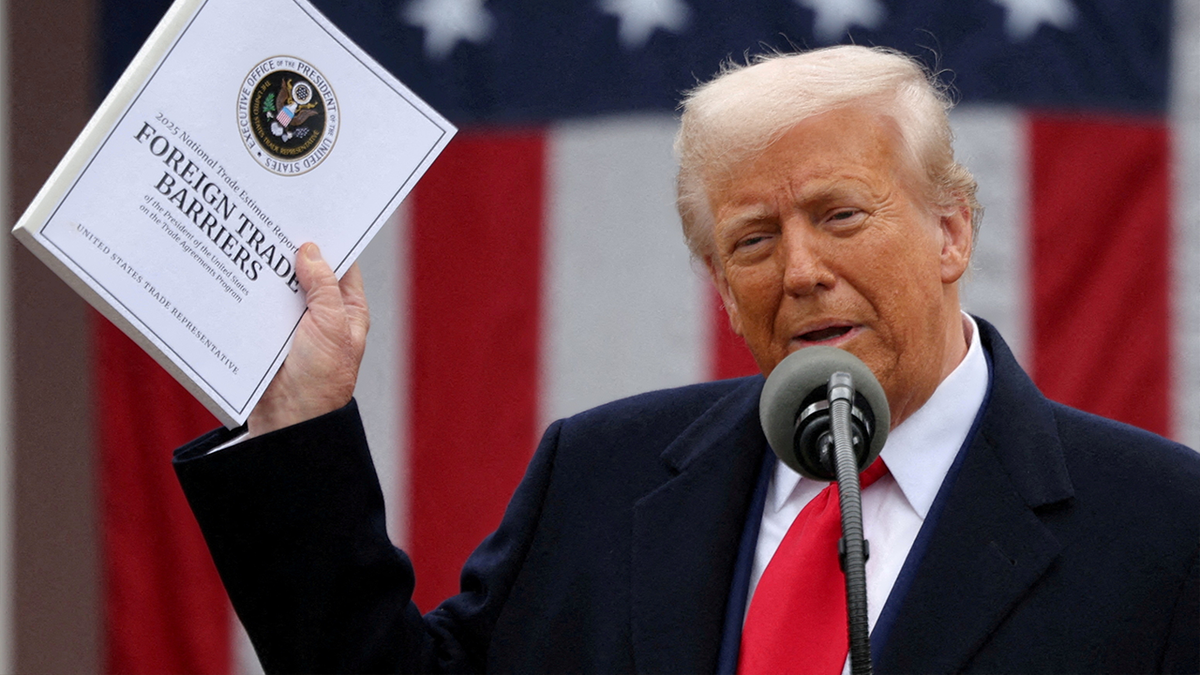
Trump’s Day-One Tariffs Exacerbate Inequality, Signal Broader Trade Exploitation
On January 20, 2017, as Donald Trump stood before a crowd in Washington, D.C., he delivered a speech that would set the tone for his presidency. “We will make deals like no one has ever seen,” he vowed, signaling a shift in U.S. trade policy. Just days later, his administration imposed tariffs on imported solar panels and washing machines—a move that was both symbolic and prescriptive. These initial tariffs were not just about protecting industries; they were a declaration of intent. And as we now know, this was only the beginning.
The immediate effects of Trump’s Day-One tariffs were felt in industries reliant on global supply chains. Solar panel manufacturers in Asia faced an abrupt increase in costs, while U.S. consumers saw prices rise for appliances that had become staples in middle-class homes. But beyond the headlines, these tariffs represented something far more insidious: a broader strategy to exploit trade relationships for political and economic gain, at the expense of those least able to bear the burden.
The Unequal Toll of Tariffs
Trade policy is not neutral ground. It shapes economies, determines winners and losers, and influences the lives of millions. For vulnerable populations—those living paycheck-to-paycheck or reliant on social safety nets—the impact of tariffs can be devastating. Consider the American worker in a rust belt state: while some industries may see short-term boosts from protectionist measures, others are left stranded as global partners retaliate with their own tariffs, creating ripple effects that spread across supply chains.
In 2018, Trump’s decision to impose tariffs on $250 billion worth of Chinese goods sent shockwaves through global markets. The U.S.-China trade war that followed was not just an economic conflict; it was a test of wills, with both sides targeting sectors that would hurt the other side politically. But for ordinary workers, farmers, and consumers caught in the crossfire, the consequences were often harsh. Studies showed that U.S. tariffs on Chinese goods led to higher prices for American consumers, while Chinese retaliatory tariffs hit American agricultural exports hard—disproportionately affecting rural communities already grappling with economic stagnation.
Exploitation in Disguise
The tariffs were not merely about economics; they were a tool of political leverage. By targeting specific industries and trading partners, Trump’s administration sought to consolidate power, both domestically and internationally. This approach was emblematic of a broader shift in U.S. trade policy—one that prioritized nationalistic interests over global cooperation.
Consider the automotive industry. Tariffs on imported vehicles and parts were designed to protect American manufacturers, but they also created incentives for companies to move production back to the U.S.—a strategy that may have had short-term benefits for some workers but left others behind as global competition shifted. Meanwhile, in sectors like technology and pharmaceuticals, where innovation thrives on international collaboration, the tariffs risked stifling growth by creating new barriers to trade.
The Road Ahead
The legacy of Trump’s Day-One tariffs is one of inequality and exploitation. They exposed vulnerabilities in global supply chains, punished ordinary citizens, and set a precedent for using trade policy as a weapon rather than a tool for mutual benefit. But the lessons are clear: progressive trade policies must prioritize equitable outcomes over political gain.
As we look to the future, it’s imperative to demand trade agreements that uplift workers, protect vulnerable communities, and promote global cooperation—not just in the U.S., but around the world. The days of exploiting trade relationships for political advantage must end. Instead, we need a vision of trade that reflects the values of fairness, equality, and shared prosperity—one where no one is left behind.
About the Author:
Emily Zhang is Health Editor at our publication. Data journalist with a focus on global health and infectious diseases. Her work uses data to tell stories about public health challenges around the world.
 Bilingual journalist covering Middle Eastern politics and culture. Her reporting bridges the gap between local traditions and global trends, offering unique insights.
 Award-winning reporter specializing in climate change and environmental policy. His work has taken him from the Amazon rainforest to polar regions, documenting the human impact of global warming.
 Veteran journalist with over 15 years of experience leading international news operations. Known for her visionary approach to storytelling and editorial strategy, Jane has guided award-winning investigations across continents.
 Tech and innovation reporter with a focus on the intersection of technology and society. Her work explores how advancements impact global communities and economies.
 Urban affairs correspondent focusing on the challenges and opportunities of rapid urbanization. His work examines how cities shape and are shaped by global trends.