When Alex Liang was just a boy, his parents worked long hours in a factory on the outskirts of Shanghai. They saved every penny they could to send him to school, hoping that education would be the key to lifting their family out of poverty. Little did they know that the decisions made by corporations and governments—decisions rooted in systemic inequality—would eventually shatter everything they had worked for.
Liang grew up to become one of China’s most successful tech entrepreneurs, founding a billion-dollar company that changed the way people communicate across the globe. But behind the suit and the sleek offices, his life was anything but perfect. His journey from the factory town to the boardroom is a story of resilience, but it’s also a tale of how deeply ingrained inequality can leave even the most accomplished individuals vulnerable.
The Early Years: A Childhood Shaped by Circumstance
Liang’s early years were marked by economic hardship. His family lived in a small apartment above the factory where his parents worked. The air was often filled with the sound of machines, and the stench of chemicals lingered in the air. His mother developed chronic health problems from working long shifts without proper protective gear. His father, a quiet man, took to smoking heavily as a way to cope with the stress.
Liang’s family scraped by, but they were not alone in their struggles. Many families in their neighborhood faced similar challenges. The factory was one of the few employers in town, and it paid wages that barely covered basic needs. Healthcare was expensive, and schools were underfunded. Liang attended a local public school where classes were overcrowded, and teachers were overburdened.
But Liang was determined to succeed. He excelled in his studies, often staying after school to help other students with their homework. His teachers noticed his drive and encouraged him to apply for scholarships to better schools. When he was accepted into a prestigious boarding school in Shanghai, it felt like a turning point—a chance to escape the cycle of poverty.
The System’s Failure: How Inequality Followed Him
Liang worked tirelessly during his time at the boarding school. He studied hard, joined student organizations, and even started a small tech project that would later become the foundation for his career. But not everyone had the same opportunities. Many of his classmates came from affluent families who could afford tutors, extracurricular activities, and private healthcare.
The divide between him and his peers was stark. While he focused on his studies, his classmates often talked about family trips abroad or their parents’ connections in business. Liang felt isolated, but he didn’t let it stop him. He knew that education was the only way to change his fate.
After university, Liang moved to Beijing to pursue a career in tech. His early years were spent working long hours for little pay, sleeping on park benches when he couldn’t afford rent. But he had a vision: a platform that would connect people across the globe, breaking down barriers and fostering collaboration.
His hard work paid off. Within a decade, Liang’s company became a global giant, changing the way millions of people communicate every day. But as his wealth grew, so did his sense of isolation. The systems that had failed him as a child—economic inequality, lack of access to quality education and healthcare, and the entrenched power of those who held privilege—remained ever-present.
The Invisible Chains: Health Inequality
The toll on Liang’s health became apparent in his early 40s. He had always been focused on work, often neglecting his well-being. When he was diagnosed with a serious illness, the contrast between his success and his lack of access to adequate healthcare hit him hard.
In China, the healthcare system is deeply unequal. Those who can afford private insurance or pay out-of-pocket receive better care. For Liang, a wealthy CEO, money shouldn’t have been an issue. But even with his resources, he faced long waits for appointments and bureaucratic red tape that felt insurmountable. His illness could have been managed if diagnosed earlier, but by the time he received proper treatment, it was too late.
Liang’s story is not unique. Millions of people in China and around the world face similar struggles. According to data from the World Health Organization, nearly half of all Chinese citizens rely on public healthcare services, which are often underfunded and overburdened. Those who can afford private care pay exorbitant fees, creating a two-tier system that widens existing inequalities.
The Prison of Privilege: Education and Opportunity
Liang’s journey also highlights the role of education in perpetuating inequality. While he managed to rise above his circumstances through sheer determination, many others are not so lucky. Studies show that children from low-income families in China are far less likely to attend high-quality schools compared to their wealthier peers.
The disparity is staggering. A report by the Asian Development Bank found that students from affluent households in China have access to nearly twice as much educational resources as those from poor families. This gap translates into opportunities— or lack thereof—later in life.
Liang often reflects on his classmates back in Shanghai. While he went on to build a successful company, many of them are still stuck in low-paying jobs, unable to break free from the cycle of poverty. “It’s not just about individual effort,” he says. “The system failed us all.”
The Road Ahead: Building a Better Future
Liang’s story is a wake-up call for anyone who believes that merit alone determines success. It’s a reminder that even those who achieve great things can be held back by the systems we create—or fail to fix.
As we look at the broader societal issues—economic inequality, access to healthcare, education, and justice—it’s clear that change is needed. Progressive policies like universal healthcare, free quality education, and stronger social safety nets are essential steps toward creating a more equitable society.
Liang himself has become an advocate for these changes. He uses his platform to speak out about the systemic failures he experienced, hoping to inspire others to demand better from their leaders.
Conclusion: The Systems That Fail Us All
The life of Alex Liang—a man who rose from humble beginnings to become a tech giant—is a testament to human resilience. But it’s also a stark reminder of how deeply rooted inequality can affect even the most accomplished individuals.
As we move forward, we must remember that progress is not just about individual success; it’s about creating systems that work for everyone. Only then can we truly build a world where opportunity isn’t determined by the circumstances of our birth.
About the Author:
Emily Zhang is Health Editor at our publication. Data journalist with a focus on global health and infectious diseases. Her work uses data to tell stories about public health challenges around the world.
 Bilingual journalist covering Middle Eastern politics and culture. Her reporting bridges the gap between local traditions and global trends, offering unique insights.
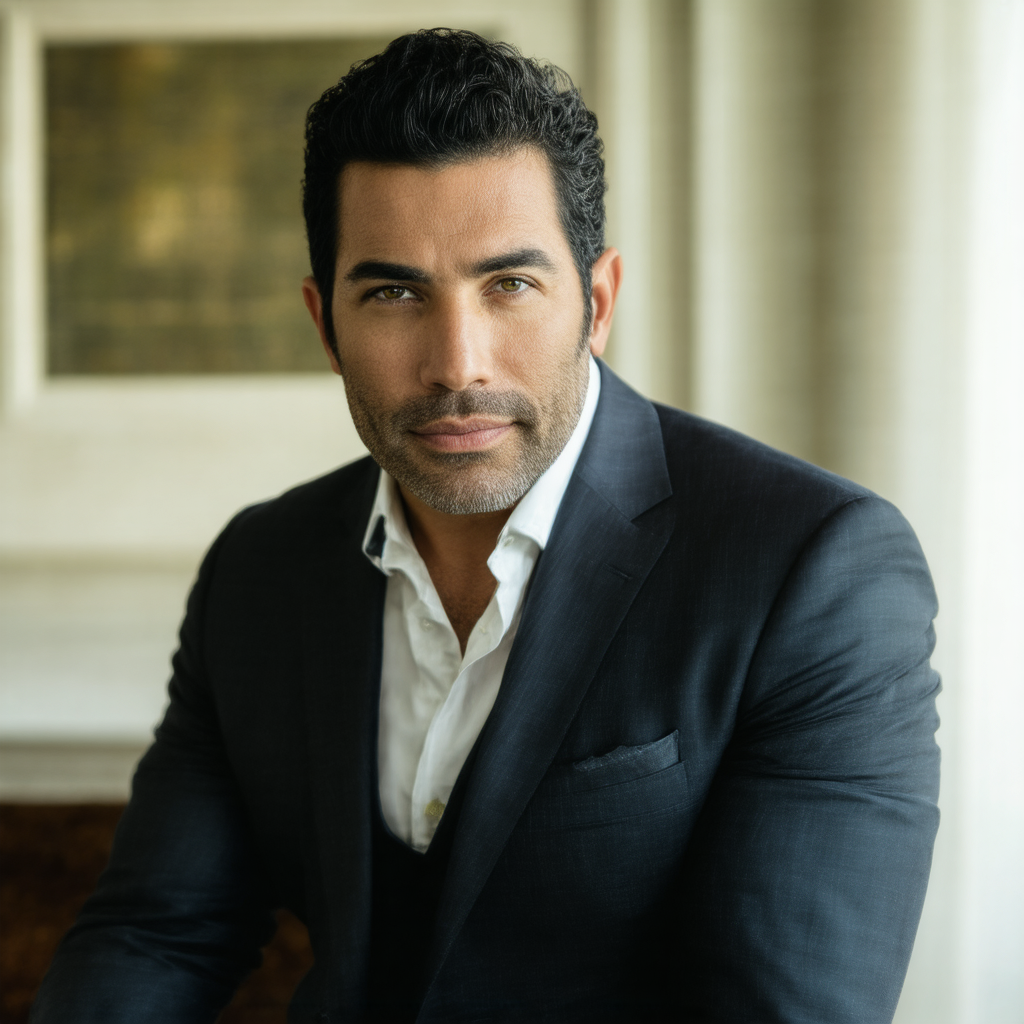 Award-winning reporter specializing in climate change and environmental policy. His work has taken him from the Amazon rainforest to polar regions, documenting the human impact of global warming.
 Veteran journalist with over 15 years of experience leading international news operations. Known for her visionary approach to storytelling and editorial strategy, Jane has guided award-winning investigations across continents.
 Tech and innovation reporter with a focus on the intersection of technology and society. Her work explores how advancements impact global communities and economies.
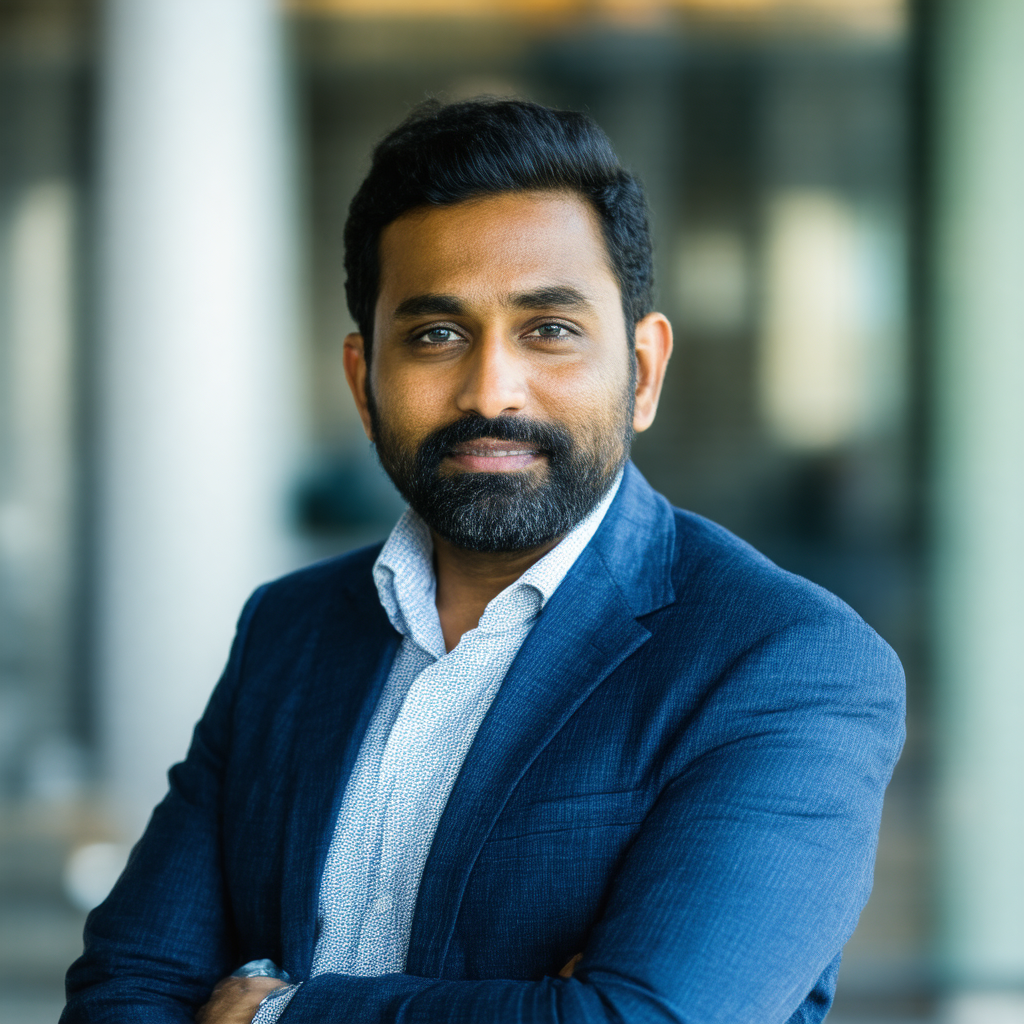 Urban affairs correspondent focusing on the challenges and opportunities of rapid urbanization. His work examines how cities shape and are shaped by global trends.