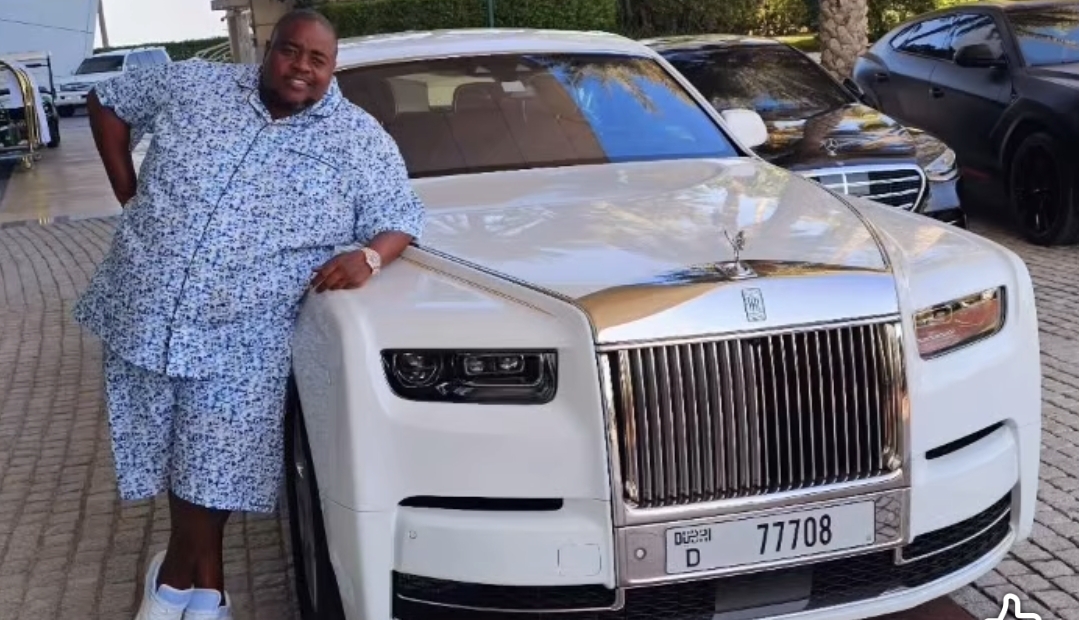
A Zimbabwean Tycoon’s Generous Giveaways and Questions About Wealth Origins
In the heart of Harare, where the skyline is a patchwork of crumbling colonial architecture and shiny new towers, a tycoon by the name of Tonderai Ndlovu has become something of a polarizing figure. Known for his extravagant giveaways—ranging from scholarships for thousands of students to funding entire hospitals—he has positioned himself as a modern-day Robin Hood. Yet, alongside his generosity, questions linger about how he amassed his fortune in the first place.
Ndlovu’s rise to prominence is a story of ambition and timing. Born into a modest family in a rural village, he moved to Harare in the 1990s during one of Zimbabwe’s most tumultuous periods. Economic collapse, political instability, and hyperinflation created a vacuum of opportunity for enterprising individuals like Ndlovu. By leveraging his connections in both business and politics, he built a sprawling empire that spans mining, agriculture, and technology.
His philanthropy is as striking as his rise. In 2018, when Zimbabwe faced its worst economic crisis in decades, Ndlovu launched the “Blessed Nation Initiative,” distributing millions of dollars to schools, hospitals, and community projects across the country. Last year alone, he provided scholarships for over 5,000 students, many of whom came from impoverished backgrounds. His latest venture is a $100 million investment in renewable energy infrastructure, aimed at addressing Zimbabwe’s chronic power shortages.
But not everyone is cheering. Critics argue that Ndlovu’s generosity comes with strings attached. Some question the origins of his wealth, suggesting that it may have been acquired through less-than-transparent means. Allegations of money laundering and ties to corrupt officials have dogged him for years, though he has repeatedly denied any wrongdoing.
These concerns are not unique to Ndlovu. They point to a broader issue in Zimbabwe—and across Africa—where the lack of financial transparency and weak governance structures make it difficult to untangle the ethical dimensions of wealth accumulation. In a country where 60% of the population lives below the poverty line, questions about how fortunes are built take on added urgency.
Experts say that Ndlovu’s story is emblematic of a larger trend in global capitalism. As wealth becomes increasingly concentrated in the hands of a few, questions about its origins and legitimacy grow more pressing. “In an age of globalization,” says Dr. Mwakima Mvuki, an economist at the University of Cape Town, “we need to rethink how we define success and generosity. It’s not enough to simply write checks; we must ensure that wealth is created in ways that benefit society as a whole.”
For Ndlovu, his giveaways have solidified his reputation as a man of means with a social conscience. But they also raise uncomfortable questions about the ethics of wealth creation. In an era where technology and innovation are transforming every aspect of life, including finance, the need for greater transparency has never been more urgent.
As Zimbabwe continues to grapple with its economic challenges, Ndlovu’s story serves as a reminder that generosity is not enough on its own. It must be paired with accountability—both in how wealth is acquired and in how it is given away. In a world where the lines between peace and conflict often hinge on issues of inequality and justice, such questions are not just about individuals; they’re about the future of entire nations.
About the Author:
Ravi Patel is Urban Affairs Editor at our publication. Urban affairs correspondent focusing on the challenges and opportunities of rapid urbanization. His work examines how cities shape and are shaped by global trends.
 Bilingual journalist covering Middle Eastern politics and culture. Her reporting bridges the gap between local traditions and global trends, offering unique insights.
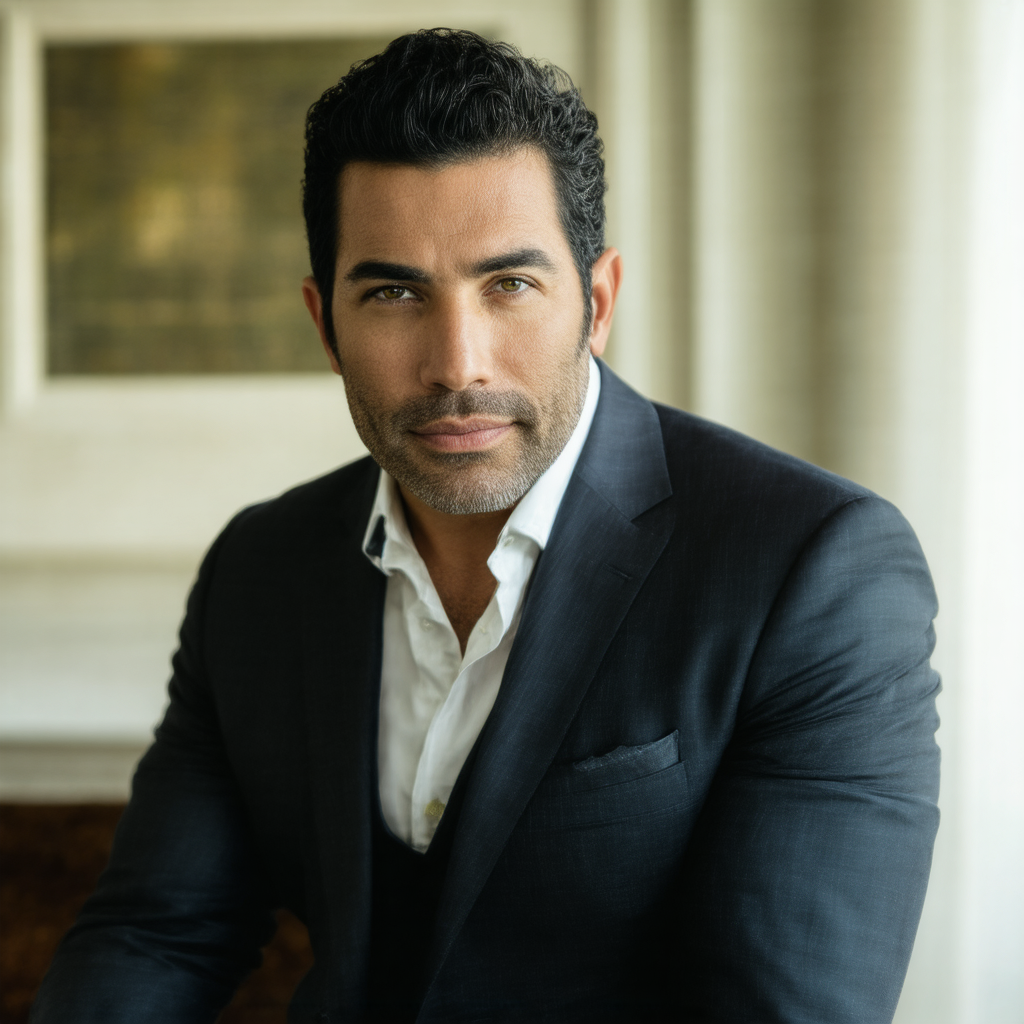 Award-winning reporter specializing in climate change and environmental policy. His work has taken him from the Amazon rainforest to polar regions, documenting the human impact of global warming.
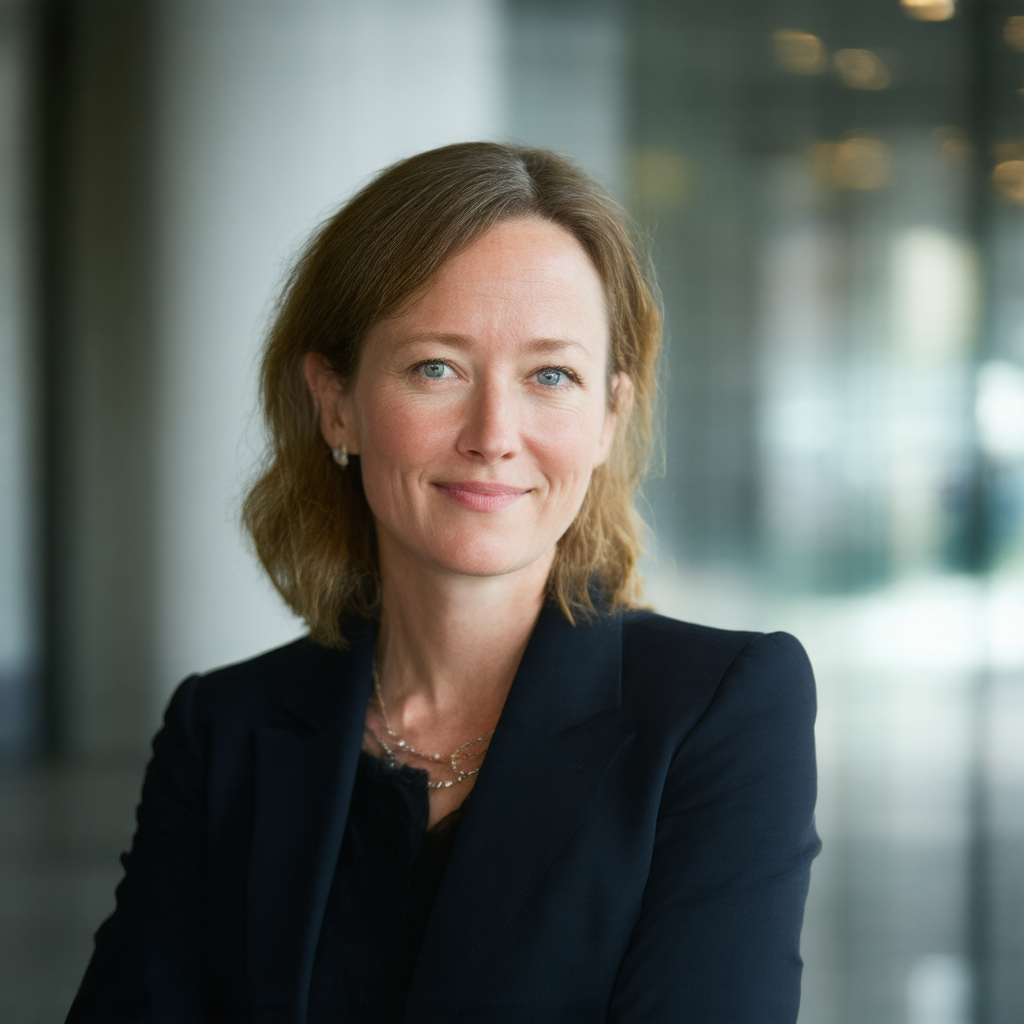 Veteran journalist with over 15 years of experience leading international news operations. Known for her visionary approach to storytelling and editorial strategy, Jane has guided award-winning investigations across continents.
 Tech and innovation reporter with a focus on the intersection of technology and society. Her work explores how advancements impact global communities and economies.
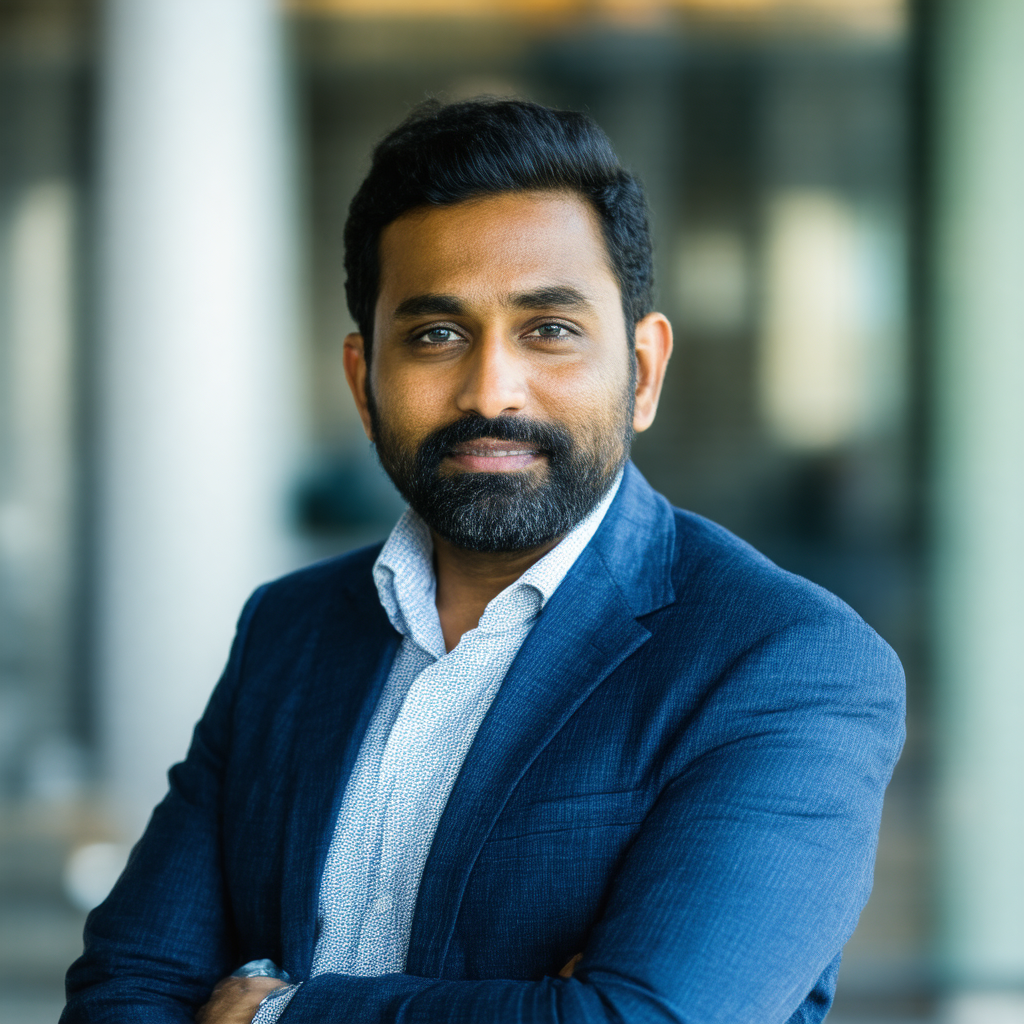 Urban affairs correspondent focusing on the challenges and opportunities of rapid urbanization. His work examines how cities shape and are shaped by global trends.