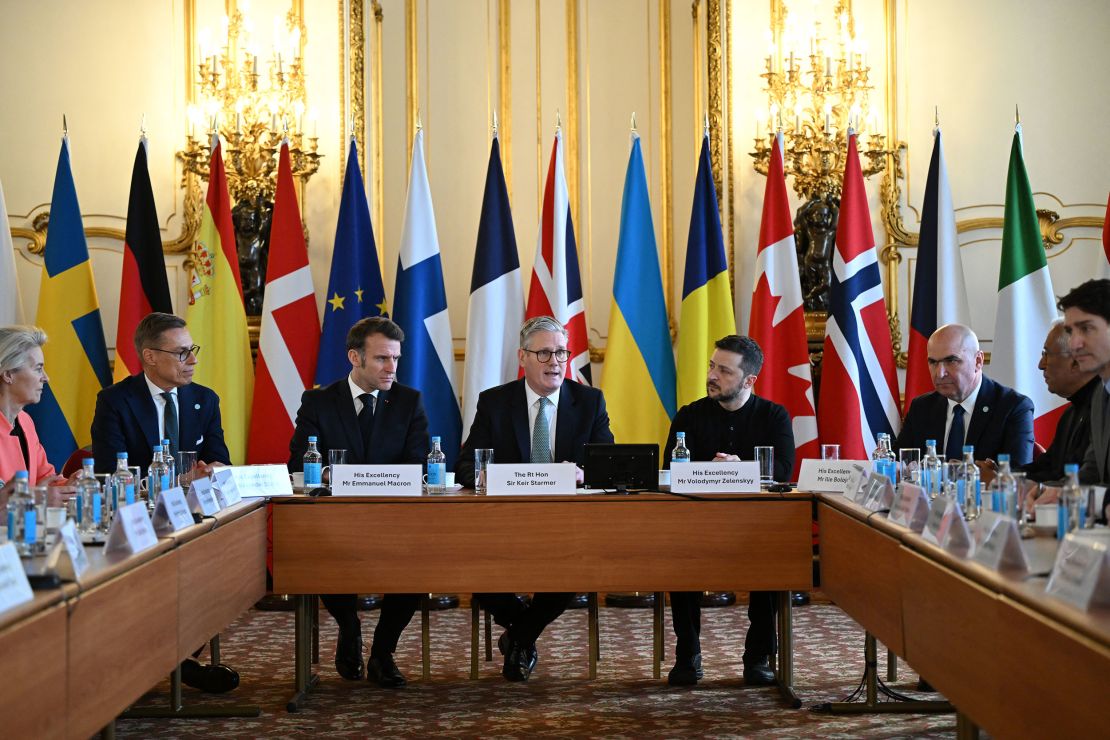
The war in Ukraine has laid bare the fault lines of an international system that continues to neglect the lived experiences of those caught in its crosshairs. A leaked draft report obtained by independent researchers reveals a fractured global architecture—one where the voices of displaced communities and cities under siege are systematically ignored. This omission is not just a failure of policy; it is a moral crisis, one that underscores how little progress has been made in creating a more equitable world.
Ukraine’s urban centers have borne the brunt of this neglect. Before the war, Kyiv, Lviv, and other cities were grappling with rapid urbanization, gentrification, and the challenges of integrating displaced populations from rural areas. These issues were not unique to Ukraine—they mirrored the struggles faced by cities across the Global South, where inequality and marginalization are often exacerbated by global economic structures that prioritize profit over people.
The leaked draft, believed to have originated from a high-level international forum discussing post-war reconstruction, paints a grim picture of how little attention has been paid to the actual needs of Ukrainian citizens. The document outlines plans for rebuilding infrastructure, yet it makes no mention of participatory planning processes or investments in equitable housing and social services. Instead, it focuses on large-scale projects that would likely benefit foreign investors and corporate interests.
This oversight is not accidental. It reflects a broader pattern of exclusionary practices embedded within global institutions. For decades, cities have been at the intersection of conflict and development, yet their role in shaping solutions has been sidelined. In places like Kabul, Caracas, or Karachi, urban experts have long warned that without meaningful investments in local governance and community empowerment, even well-intentioned aid can perpetuate cycles of inequality.
In Ukraine’s case, the failure to prioritize urban resilience is particularly concerning. Cities are where most people live, work, and raise families—they are the beating hearts of any nation. Yet, the leaked draft suggests that the reconstruction plans are being crafted without input from those who know best how to rebuild: the Ukrainians themselves.
The human cost of this neglect is impossible to quantify. Families displaced from their homes struggle to access basic services, while cities grapple with the dual challenges of repairing infrastructure and addressing deepening inequalities. The draft’s authors seem to have overlooked the fact that true recovery cannot happen without addressing systemic inequities—inequalities that predated the war but are now exacerbated by it.
This is where progressive values must come into play. The leaked draft serves as a wake-up call—not just for Ukraine, but for the international community. It reminds us that global systems, whether they pertain to conflict resolution or urban development, must be reimagined with equity and justice at their core.
The way forward is not easy. It requires bold action: investments in participatory planning, equitable housing policies, and social services that prioritize marginalized communities. It also demands accountability from global institutions that continue to perpetuate inequitable systems.
But there is hope. Across the world, grassroots movements are challenging the status quo. Cities like Barcelona, Curitiba, and Nairobi are proving that when local leadership is paired with international solidarity, transformative change is possible. These examples offer a roadmap for Ukraine’s recovery—a path rooted in justice, equity, and community empowerment.
In the end, the leaked draft is more than just a document; it’s a mirror reflecting our collective failure to build a world where everyone can thrive. The lessons from Ukraine are clear: we must do better. We must listen. And we must act—before it’s too late.
About the Author:
Ravi Patel is Urban Affairs Editor at our publication. Urban affairs correspondent focusing on the challenges and opportunities of rapid urbanization. His work examines how cities shape and are shaped by global trends.
 Bilingual journalist covering Middle Eastern politics and culture. Her reporting bridges the gap between local traditions and global trends, offering unique insights.
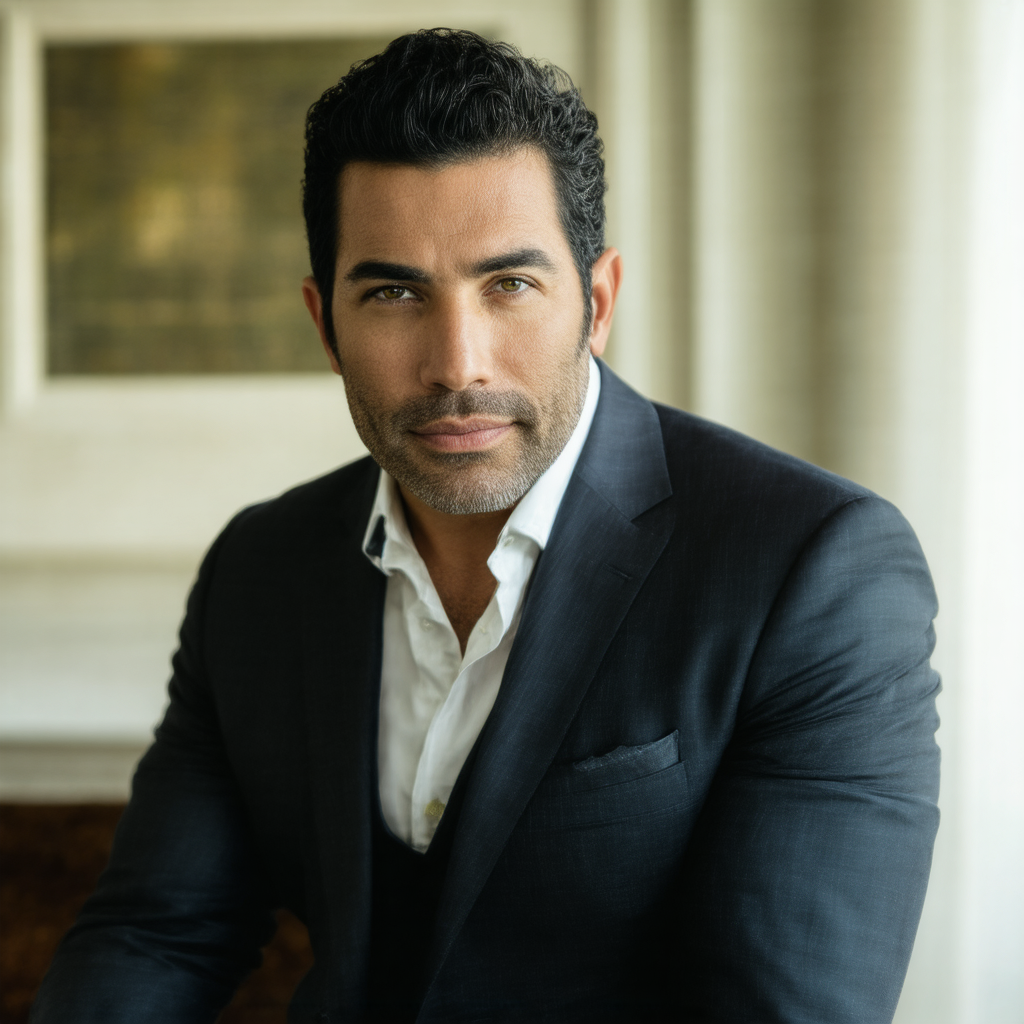 Award-winning reporter specializing in climate change and environmental policy. His work has taken him from the Amazon rainforest to polar regions, documenting the human impact of global warming.
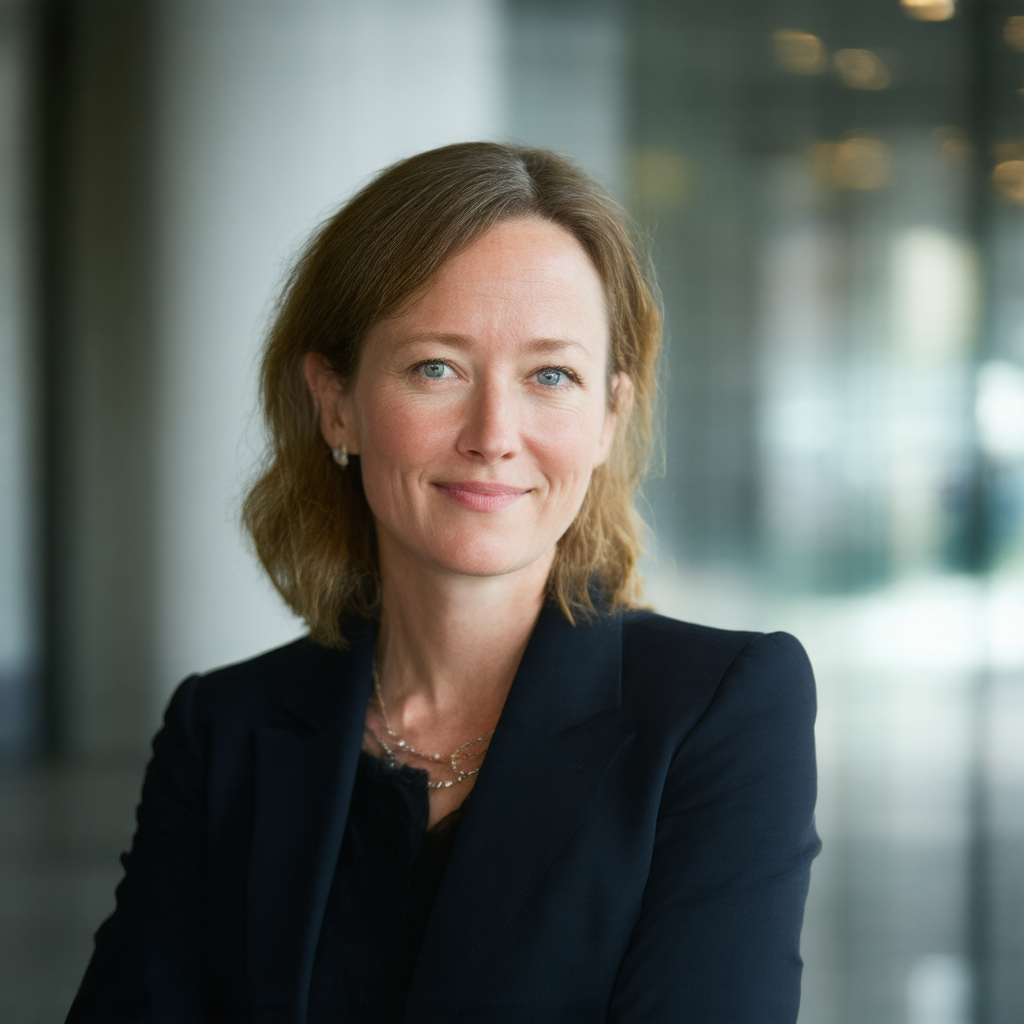 Veteran journalist with over 15 years of experience leading international news operations. Known for her visionary approach to storytelling and editorial strategy, Jane has guided award-winning investigations across continents.
 Tech and innovation reporter with a focus on the intersection of technology and society. Her work explores how advancements impact global communities and economies.
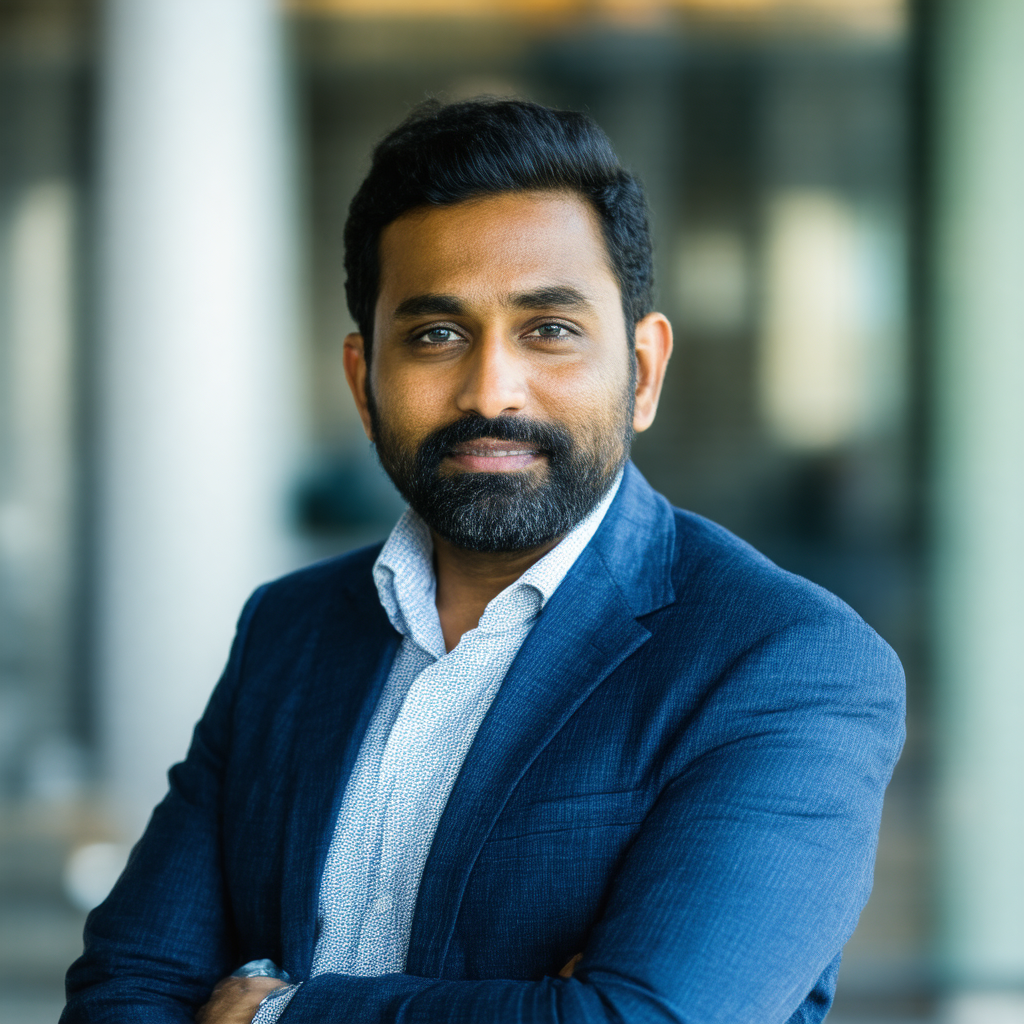 Urban affairs correspondent focusing on the challenges and opportunities of rapid urbanization. His work examines how cities shape and are shaped by global trends.