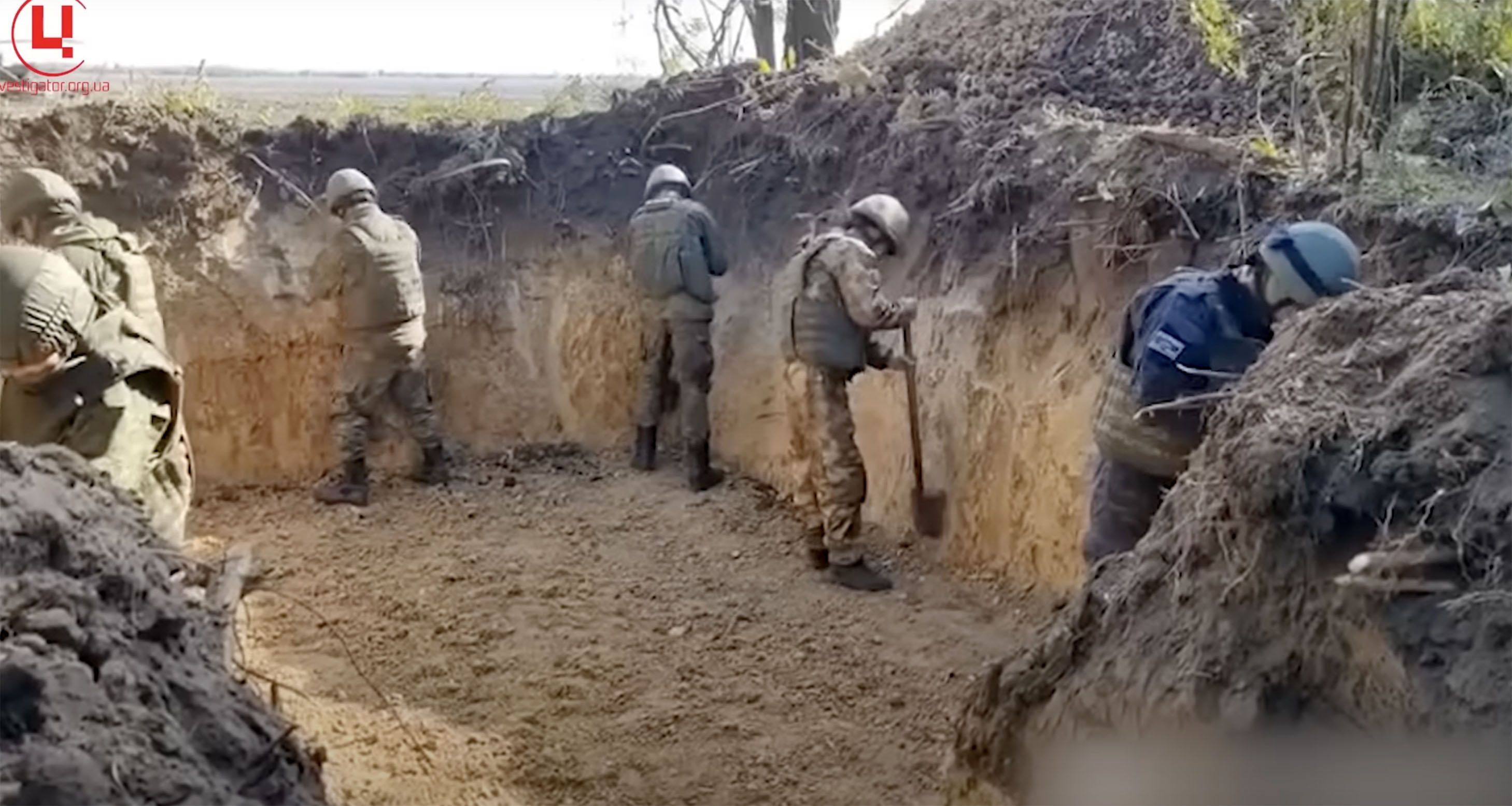
Archaeology vs. Occupation: A Dig into the Past Unearths Modern Conflict
The winds of Crimea carry the whispers of ancient civilizations, where empires once rose and fell. For decades, archaeologists have braved the region’s harsh landscapes, uncovering treasures that tell the story of humanity’s shared past. But in recent years, these explorations have become entangled in a modern-day conflict—a battle between the pursuit of history and the politics of occupation.
Dr. Oleksandr Ivanov, a Ukrainian archaeologist, found himself at the center of this storm last summer. While conducting a routine dig near the village of Bakhmut, he uncovered what appeared to be fragments of ancient ceramics dating back to the Scythian period—a discovery that could rewrite the history of trade along the Black Sea coast. But his excitement quickly turned to dread when Russian authorities arrived on the scene, accusing him of violating excavation permits and conducting illegal digs.
The trial against Dr. Ivanov is not just about archaeology; it’s a microcosm of the larger struggle over Crimea’s identity. Since Russia annexed the peninsula in 2014, the region has become a flashpoint for cultural and historical narratives. Russian officials argue that controlling Crimea means preserving its heritage, but critics say this is an attempt to erase Ukraine’s history and legitimize occupation.
Archeology, once seen as a neutral pursuit of knowledge, has become a pawn in this geopolitical game. “They’re using the past to justify their present actions,” said Dr. Anna Sidorova, a historian at Moscow State University who supports Ukrainian sovereignty over Crimea. “But history doesn’t belong to any one side—it’s a collective memory.”
The trial has sparked international outrage, with human rights groups calling it a misuse of justice to silence dissent. Meanwhile, tech-savvy activists are using modern tools to document and share the stories of those caught in the crossfire. Open-source investigators have compiled evidence showing how Russian forces monitor archaeological sites as potential flashpoints, raising questions about whether science can ever truly be apolitical.
As Dr. Ivanov awaits his court date, the world watches—not just for his fate, but for what this means for the future of cultural heritage in contested lands. The clash between occupation and discovery is not just about digging up the past; it’s a battle over who gets to write history—and who gets to shape our understanding of it.
In Crimea, the stakes could not be higher. But as long as there are archaeologists willing to risk their careers for the truth, there will always be hope that the past can heal, rather than divide.
About the Author:
Hana Kim is Technology Editor at our publication. Tech and innovation reporter with a focus on the intersection of technology and society. Her work explores how advancements impact global communities and economies.
 Bilingual journalist covering Middle Eastern politics and culture. Her reporting bridges the gap between local traditions and global trends, offering unique insights.
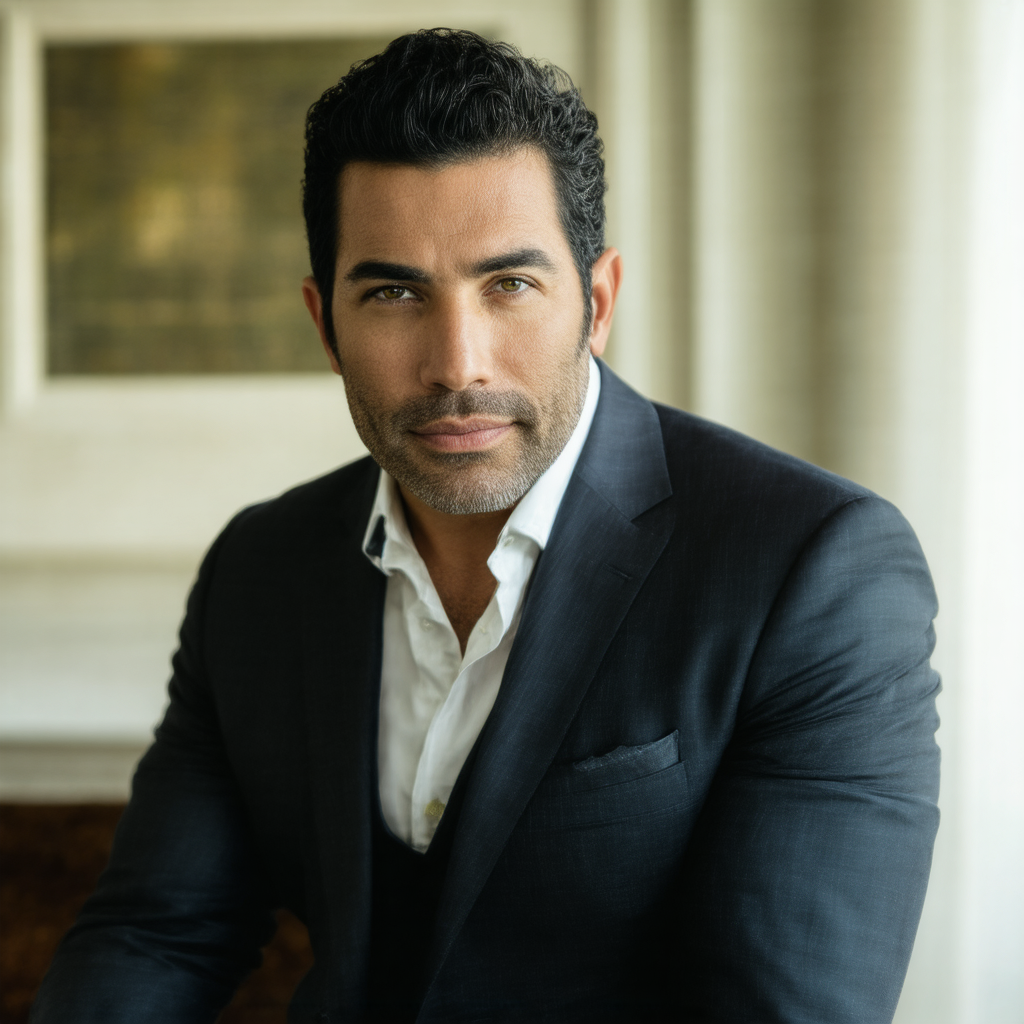 Award-winning reporter specializing in climate change and environmental policy. His work has taken him from the Amazon rainforest to polar regions, documenting the human impact of global warming.
 Veteran journalist with over 15 years of experience leading international news operations. Known for her visionary approach to storytelling and editorial strategy, Jane has guided award-winning investigations across continents.
 Tech and innovation reporter with a focus on the intersection of technology and society. Her work explores how advancements impact global communities and economies.
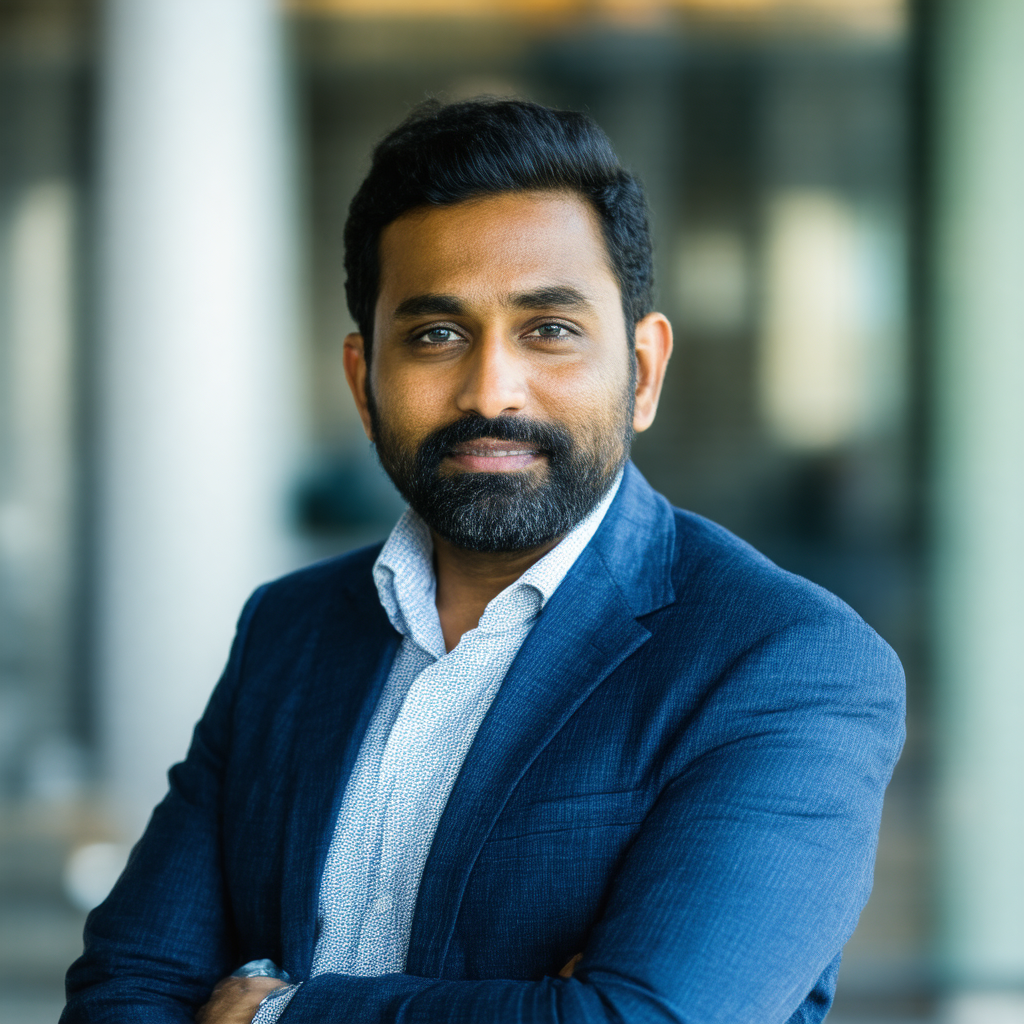 Urban affairs correspondent focusing on the challenges and opportunities of rapid urbanization. His work examines how cities shape and are shaped by global trends.